Exploring HUD Foreclosed Homes: Opportunities and Considerations
Unlock potential savings with HUD foreclosed homes! Explore opportunities as these homes are sold at competitive prices, often below market value. Discover how you might find that dream home or investment.
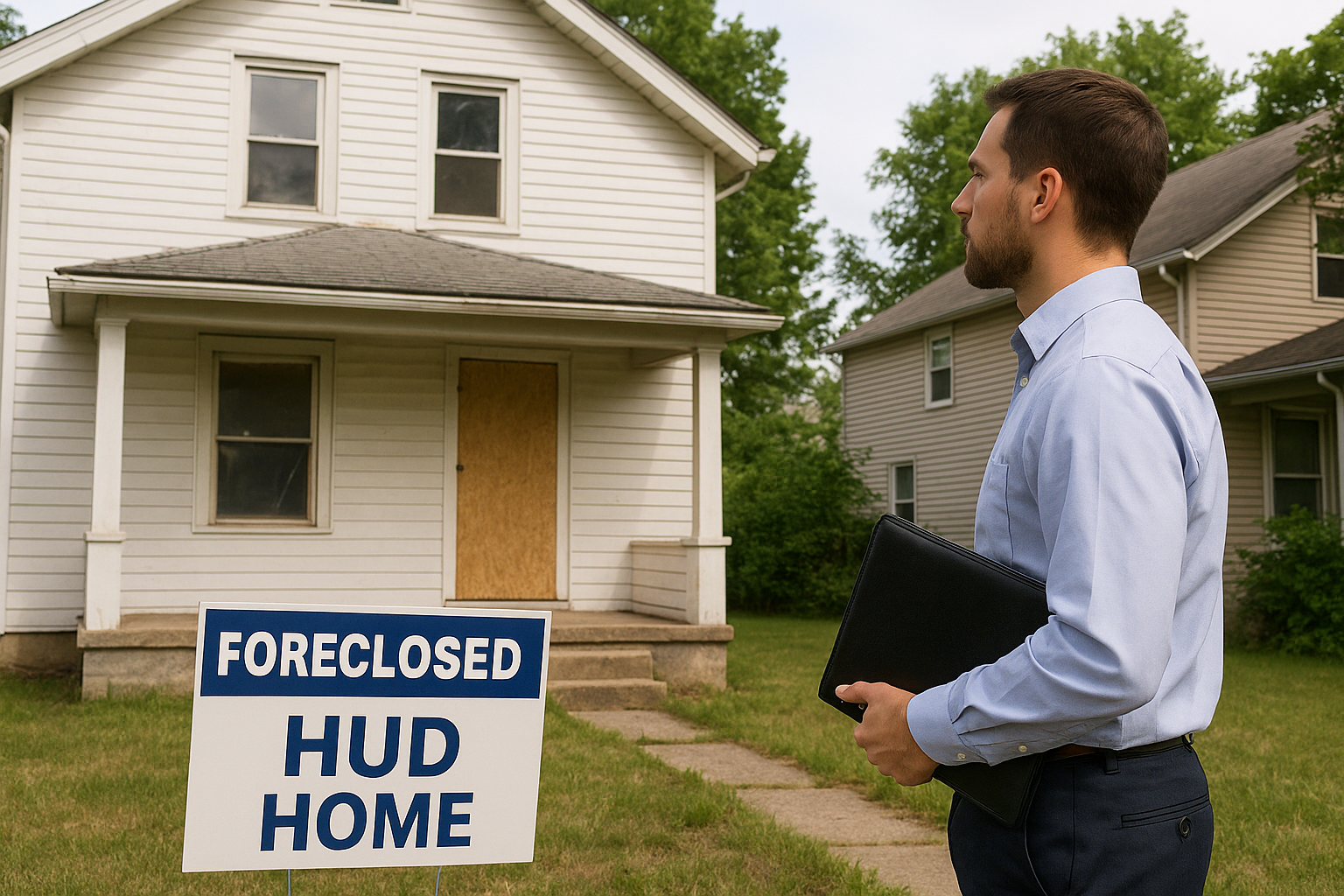
Understanding HUD Foreclosed Homes
When a homeowner with a Federal Housing Administration (FHA) insured mortgage falls behind on payments, the home may eventually go into foreclosure. These properties then become "HUD foreclosures," available for purchase as-is from the U.S. Department of Housing and Urban Development (HUD). Understanding the nuances of HUD foreclosed homes—how they're acquired, purchased, and maintained—can offer potential buyers substantial opportunities in the housing market.
What Are HUD Foreclosed Homes?
HUD foreclosed homes are residential properties that have not been repossessed by a traditional lender, but rather placed under HUD’s stewardship due to foreclosure of a defaulted FHA loan. HUD acquires these properties and sells them to recover financial losses from the defaulted loans. These homes are sold "as-is," meaning potential buyers should understand they will likely require various degrees of renovation.
Benefits of Purchasing HUD Foreclosed Homes
There are several benefits to purchasing a HUD home, though it's essential for buyers to weigh these against potential risks and costs.
- Lower Purchase Price: HUD foreclosed homes are typically listed below market value to encourage a quick sale, making them an attractive option for budget-conscious buyers or investors.
- Potential for Equity: With proper renovations, buyers can often increase the property's value considerably, thus realizing immediate equity gains.
- Special HUD Programs: HUD offers several programs to encourage home buying, including discounted sales for teachers, police officers, and firefighters in designated revitalization areas.
The HUD Home Buying Process
Purchasing a HUD foreclosed home differs in key ways from buying a traditional home. Here’s a breakdown of the steps involved:
Step 1: Finding HUD Homes
The official HUD Home Store website is the starting place for finding these homes. The site allows potential buyers to search by state, county, or neighborhood.
Step 2: Making an Offer
Once a suitable property is found, interested buyers must submit a bid through a HUD-registered real estate agent. HUD homes are typically sold in an "offers due" format, meaning multiple bids can be submitted over a set period, with all being reviewed at once.
Step 3: Acceptance and Inspection
If a bid is accepted, the buyer should arrange for a property inspection. Because these homes are sold "as-is," buyers need to be aware of any underlying issues that may require costly repairs.
Step 4: Financing
HUD foreclosures can be purchased with various types of funding, including FHA loans, VA loans, conventional mortgages, and cash offers. Certain properties may also qualify for HUD’s 203(k) Loan Program, which allows borrowers to include the cost of renovations in their primary mortgage.
Potential Downsides of Purchasing HUD Homes
While there are several advantages, potential buyers should also be aware of possible drawbacks:
- Property Condition: Many HUD homes have been neglected and may require significant repairs and renovations, which can add to the overall investment cost.
- Competitive Bidding: Due to the lower price points, HUD homes can attract a lot of interest, resulting in competitive bidding situations.
- Unstable Neighborhoods: Some HUD properties may be located in less desirable areas, potentially impacting long-term appreciation and resale value.
Is a HUD Foreclosed Home Right for You?
Deciding whether a HUD home is a viable option largely depends on your financial situation, the property in question, and your willingness to undertake necessary renovations. For some, it represents a chance to obtain affordable housing and invest in a property with growth potential. For others, it might prove too risky due to unforeseen conditions and market fluctuations.
Before making a decision, it’s advisable to consult with a real estate professional experienced in HUD properties, as well as financial or investment advisors who have knowledge of the current real estate market. According to data from 2026, the housing market continues to fluctuate, and knowing current local trends can guide you toward a more informed decision (Zillow, Realtor.com).
Conclusion: Navigating the HUD Foreclosed Home Market
HUD foreclosed homes can present a valuable opportunity for a broad array of buyers, from first-time homeowners to seasoned investors. However, achieving success in this niche market requires thorough research, preparation, and due diligence. By understanding the home buying process specific to HUD properties and the potential challenges and opportunities, you can make a well-informed choice that aligns with your housing needs and financial goals.
- https://www.hudhomestore.gov/ (Official HUD Home Listings Portal)
- https://www.hud.gov/helping-americans/homes-for-sale (HUD Homes for Sale Guide)