Exploring Innovation: The Top Ten Intimate Devices of the Year
In a world overflowing with new intimate tech, it can be hard to separate the truly innovative from the merely novel. That's why we’ve done the research, curating the definitive list of the top ten gadgets worth your attention right now.
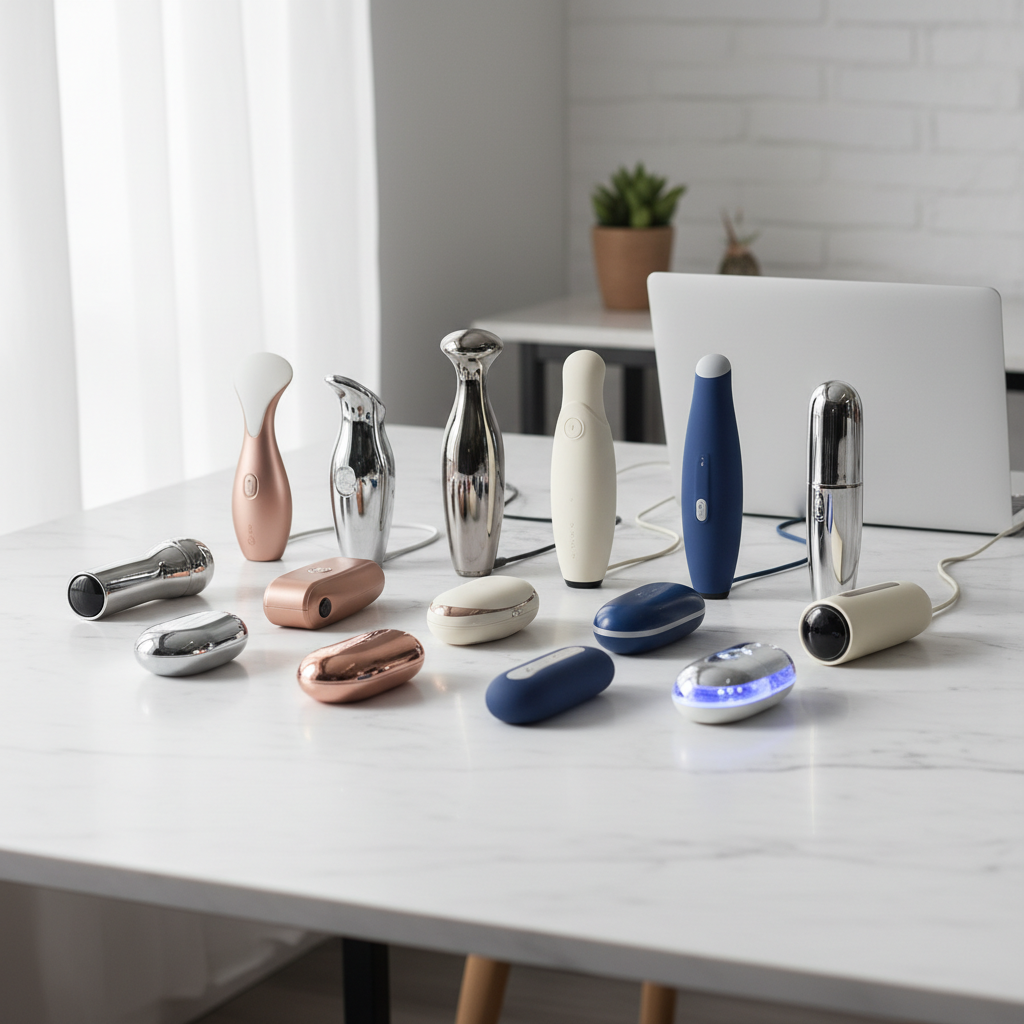
Top Ten Gadgets Of The Modern Intimate Device Era
The world of personal wellness has seen a technological revolution over the past decade. Gone are the days of simple, one-function devices. Today's intimate gadgets are sophisticated pieces of technology, incorporating smart features, advanced materials, and innovative engineering to offer highly personalized experiences. This list explores ten of the most notable types of gadgets that highlight this evolution, focusing on the technology that sets them apart.
1. App-Controlled Vibrators
At the forefront of the smart intimacy trend are app-controlled vibrators. These devices utilize Bluetooth technology to connect wirelessly to a smartphone, unlocking a world of functionality far beyond a simple on/off switch. Through a dedicated app, users can create their own unique vibration patterns, precisely controlling the speed, rhythm, and intensity. This level of customization allows for an experience that can be tailored exactly to one's preferences.
Furthermore, this connectivity often extends to long-distance control. A partner can be given access to the controls via the app from anywhere in the world with an internet connection, adding a new dimension to long-distance relationships. Some apps even allow the device to sync with music playlists or ambient sounds, creating a multisensory experience where the vibrations pulse in time with the beat.
2. Smart Kegel Trainers
Moving into the realm of health and wellness, smart Kegel trainers are innovative gadgets designed to strengthen the pelvic floor muscles. These small, ergonomically designed devices are inserted and contain highly sensitive biofeedback sensors that measure pressure and contractions. They connect to a smartphone app that essentially gamifies the exercise process, turning what was once a mundane routine into an engaging activity.
The app provides real-time feedback on whether the exercises are being performed correctly, guiding the user through different training programs and tracking their progress over time. By measuring factors like lift, endurance, and contraction strength, these gadgets provide quantifiable data that helps users understand their improvement. This combination of guidance, tracking, and engagement makes them a powerful tool for pelvic health.
3. Air-Pulse Stimulators
A significant innovation in sensation technology comes from air-pulse stimulators. Unlike traditional vibrators that rely on direct contact and mechanical vibration, these gadgets use pressure waves to create a unique feeling. The technology, often patented by leading brands, works by creating a gentle suction effect around the target area and then using rapid changes in air pressure to produce intense, pulsating sensations without direct touch.
This non-contact approach is often described as a completely different category of stimulation. The device's head features a soft silicone opening that forms a seal against the skin. An internal diaphragm then oscillates rapidly, creating the pressure waves. Most models offer multiple intensity levels, allowing users to go from a gentle flutter to powerful pulses.
4. Wearable Couple's Devices
Designed to be used by both partners during intimacy, wearable couple's devices have reshaped how partners can experience pleasure together. These gadgets are typically C-shaped and made from flexible, body-safe silicone. One part of the device is inserted to provide internal stimulation, while the other arm rests externally, providing stimulation for the other partner. This dual-stimulation design enhances the experience for both individuals simultaneously.
Many of these wearables are also app-controlled, giving either partner—or both—the ability to change patterns and intensities in real time via their smartphones. This interactive element adds a layer of shared control and discovery. Their discreet, body-hugging design ensures they stay in place during various activities, making them a versatile and popular choice for couples looking to explore new technology together.
5. Temperature-Play Gadgets
Adding another sensory layer to the experience, temperature-play gadgets incorporate advanced heating and cooling elements. These devices have internal thermal technology that can safely raise or lower the surface temperature of the device within a comfortable range. For example, a warming function can heat the device up to body temperature or slightly above, creating a soothing and realistic sensation.
This technology is achieved through integrated thermistors and regulated heating coils that ensure the temperature remains stable and safe. The feature can often be controlled via on-device buttons or a connected app, allowing users to cycle between different temperature settings or combine them with vibration patterns for a complex and layered experience.
6. Haptic Feedback Devices
Haptic feedback technology, which creates a sense of touch through forces, vibrations, or motions, has made its way into the intimate wellness space. These advanced gadgets are designed to sync with external media, such as videos or audio files. Using specialized software or web platforms, the device responds in real-time to the content being played, translating on-screen actions or audio cues into physical sensations.
This creates a deeply immersive and interactive experience that blurs the line between the digital and physical worlds. The technology often relies on low-latency Bluetooth connections and sophisticated programming to ensure the vibrations, pulses, or movements are perfectly synchronized with the media. It represents a cutting-edge fusion of entertainment and personal wellness technology.
7. Suction-Based Devices
While sharing some principles with air-pulse technology, suction-based devices focus more on creating a sustained, gentle pulling sensation. These gadgets typically feature a soft, pliable cup that forms an airtight seal on the skin. A motor then creates a vacuum, gently drawing tissue into the cup. This can be used to heighten sensitivity in a specific area.
Modern versions of these devices offer variable suction levels and often combine this feature with vibration or pulsation. The ability to control the intensity of the suction is key, as it allows the user to find the perfect level of pressure. The engineering focuses on creating a powerful yet quiet motor and an ergonomically designed head that is both effective and comfortable to use.
8. Rotating and Thrusting Massagers
Mimicking human movement, these devices incorporate complex internal mechanics to provide sensations beyond simple vibration. Rotating massagers often contain a series of beads or pearls embedded in the shaft that spin independently, creating a swirling or "come-hither" motion. Thrusting devices utilize a powerful motor that drives the shaft or a portion of the tip in and out, simulating a piston-like action.
The engineering behind these gadgets is impressive, requiring robust motors and durable gearing systems to produce consistent and powerful movement. High-end models allow for independent control of each function, so a user could combine rotation and vibration or thrusting and pulsation, with multiple speed settings for each, leading to a highly dynamic experience.
9. Smart Male Sleeves and Strokers
Technology has also transformed male-focused devices. Smart sleeves and strokers now often include features like automatic squeezing or tightening, heating elements, and app connectivity. Inside a hard outer casing is a soft, textured sleeve. Internal mechanisms, controlled by motors, can constrict and release the sleeve to create various sensations of tightness.
Like their other smart counterparts, these devices can connect to smartphones for custom patterns and can sync with interactive media for a haptic feedback experience. Some even incorporate data tracking to provide insights, turning a solo experience into an interactive and technologically advanced activity.
10. Electro-Stimulation (E-Stim) Units
Electro-stimulation represents a very different type of intimate technology. These devices work by delivering safe, low-voltage electrical currents to the body via conductive pads or electrodes. This current stimulates nerve endings, creating a tingling, buzzing, or pulsing sensation that is entirely distinct from mechanical vibration or pressure. The experience is highly dependent on the placement of the electrodes and the settings on the control unit.
A typical e-stim kit includes a power box (the control unit) and various conductive accessories. The power box allows the user to control the frequency, intensity, and pattern of the electrical pulses. Safety is paramount with these devices, and reputable models have built-in safeguards to prevent the current from becoming too strong. It is a niche but growing area for those interested in exploring different sensory inputs.
The Technological Evolution of Intimate Wellness
The journey of intimate devices from simple, manually operated objects to the sophisticated gadgets of today is a story of technological advancement. Early devices were often made from wood, stone, or other basic materials, relying entirely on mechanical action. The invention of electricity and the miniaturization of motors in the 20th century marked the first major leap forward, introducing vibration and paving the way for the modern massager.
The true revolution, however, began with the materials science boom. The widespread adoption of body-safe, non-porous silicone in the late 1990s and early 2000s drastically improved the safety, hygiene, and feel of these products. This development was followed by the smartphone era, which introduced the next great paradigm shift: connectivity. The integration of Bluetooth low-energy chips allowed for the creation of app-controlled devices, opening the door to unprecedented customization, long-distance play, and interactive features. Today, we are seeing the influence of IoT (Internet of Things) and AI, with devices that learn user preferences and sync with other forms of digital media, transforming them into true smart gadgets.
Understanding Key Features and Materials
What to Look for in Device Materials?
The material a device is made from is one of its most critical features, directly impacting safety, hygiene, and feel. The gold standard in the industry is 100% body-safe, medical-grade silicone. It is non-porous, meaning it won't harbor bacteria, making it exceptionally easy to clean and hygienic. Silicone is also hypoallergenic, latex-free, and phthalate-free. It has a soft, skin-like texture that is comfortable for prolonged use.
Other common materials include ABS plastic, which is often used for the hard casing or controls of a device. It's a rigid, non-porous plastic that is also body-safe and easy to clean. Glass is another popular choice for its non-porous nature and ability to be used for temperature play (it can be warmed or cooled safely). It's crucial for users to be aware of materials like jelly or PVC, which are porous and can harbor bacteria and may contain harmful phthalates.
App Integration and Privacy Concerns
The rise of app-controlled devices has brought incredible functionality, but it also introduces valid questions about data privacy and security. When a device connects to a smartphone, it creates a data link. Reputable companies invest heavily in securing this connection through encryption to prevent unauthorized access to the device's controls. This ensures that the link between the phone and the gadget is private.
Beyond security, there is the matter of data privacy. Users should be aware of what data, if any, the companion app collects. This information is typically found in the company's privacy policy. Some apps may collect anonymized usage data (e.g., most popular settings, duration of use) to improve their products. It is important for consumers to choose brands that are transparent about their data practices and offer clear privacy policies, giving users control over their information.
Understanding Different Motor Types
Not all vibrations are created equal. The type of motor inside a device has a significant impact on the sensation it produces. The two most common types are "buzzy" and "rumbly" motors. Standard rotary motors, often found in less expensive devices, spin a small, off-center weight to create vibration. This typically results in a high-frequency, surface-level sensation that many describe as "buzzy."
In contrast, premium devices often use more powerful brushless motors or oscillating motors. These technologies produce deeper, lower-frequency vibrations that penetrate further into the body. This sensation is often described as a deep "rumble." The choice between buzzy and rumbly is entirely a matter of personal preference, but understanding the difference can help users select a gadget that is more likely to meet their expectations.
Conclusion
The landscape of intimate devices has been irrevocably changed by technology. Innovations in materials science, wireless connectivity, and mechanical engineering have transformed these products from simple tools into sophisticated personal wellness gadgets. From the customized patterns of app-controlled devices to the health-focused biofeedback of smart trainers, technology continues to offer new ways to understand and explore personal pleasure and well-being. As this trend continues, the integration of even more advanced tech, like AI and virtual reality, will likely push the boundaries even further.