Exploring Loan Options for Individuals with Disabilities and Challenging Credit Scores
Navigating the world of loans with the challenges of bad credit and disability can seem daunting, but there are options available if you know where to look.
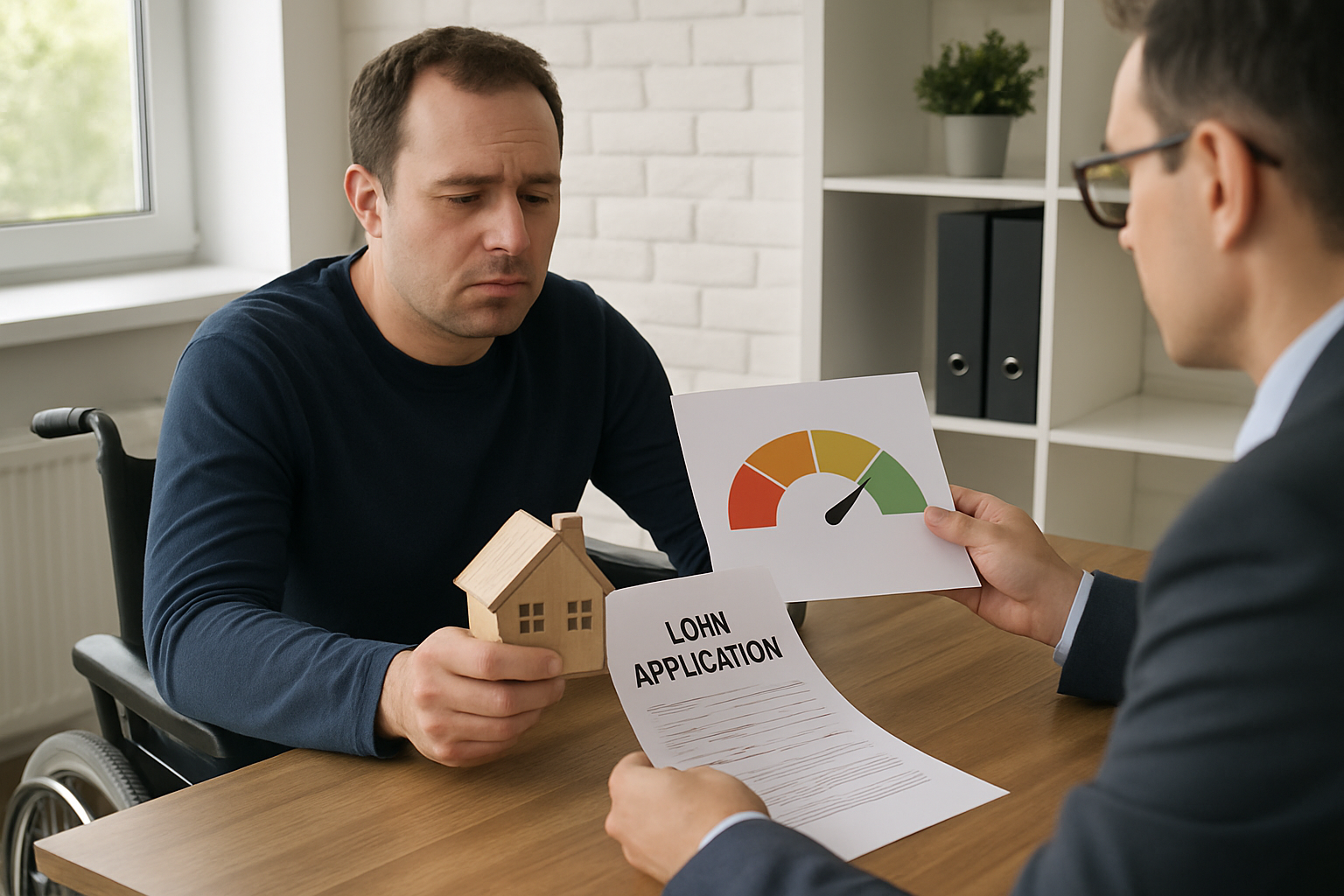
Understanding Loans for People on Disability with Bad Credit
Navigating the financial wilderness when you're on disability and have bad credit can be daunting. Understanding your options is crucial to making informed decisions that have long-term impacts on your financial health. Fortunately, there are loans specifically designed to assist those facing these challenges. This guide will walk you through available options, eligibility requirements, and tips for managing your finances responsibly.
Types of Loans Available
There are several types of loans specifically designed to help individuals on disability who also struggle with bad credit. Knowing which one aligns with your needs can significantly reduce stress and increase the chances of approval.
- Personal Loans: Offered by online lenders, credit unions, and banks, these loans are sometimes available to individuals with fixed disability income. Although challenging, finding a lender specializing in bad credit can lead to potential opportunities.
- Installment Loans: Similar to personal loans, installment loans involve borrowing a fixed sum with a set repayment schedule. They may be more accessible to those with bad credit, but you should be aware of potentially higher interest rates.
- Secured Loans: These require collateral, such as an automotive title or savings account. While the risk of losing your asset is present, secured loans often come with more favorable terms and interest rates due to the lender's reduced risk.
- Credit Builder Loans: These loans allow you to build credit while saving money. They don’t provide immediate cash-out. Instead, a loan amount is held in an account while you make monthly payments. Upon completion, you receive the full sum.
- Peer-to-Peer Loans: Utilizes platforms that connect borrowers to individual lenders. This method can sometimes result in more flexible terms than traditional lenders offer.
Eligibility and Application Process
Each type of loan has specific criteria that applicants must meet, though people on disability with bad credit can still find options tailored to these circumstances. Let's explore eligibility requirements and the typical application process.
Key Eligibility Criteria
- Proof of Income: Disability income may be considered, but many lenders prefer additional sources of income.
- Credit Score: While this is a standard measure, certain lenders specialize in accommodating lower credit scores.
- Collateral: For secured loans, having an asset to pledge can improve your application chances.
- Debt-to-Income Ratio: Lenders often see a lower ratio as a positive factor, indicating the ability to manage new debt.
The Application Process
- Gather Required Documents: Prepare your income statements, ID, and any pertinent financial documents.
- Research and Compare Lenders: Use platforms like LendingTree or Bankrate to compare rates and terms from multiple lenders.
- Apply: Some applications can be submitted online, offering convenience and speed.
- Review Loan Terms: Pay close attention to interest rates, repayment terms, and any fees associated with the loan.
Managing Your Loan Responsibly
Obtaining a loan is only the first step. Proper management of the borrowed funds is essential to not only repay the loan on time but also improve your credit score.
- Create a Budget: Establish a monthly budget that includes your loan payment. This helps avoid unnecessary expenses and ensures timely repayment.
- Automate Payments: Set up automatic payments to reduce the risk of late or missed payments.
- Monitor Your Credit: Use services like Credit Karma to monitor changes in your credit score.
Alternatives to Traditional Loans
Sometimes, alternatives to traditional loans are more suitable. These methods may offer flexibility and potentially fewer risks.
- Local Assistance Programs: Many communities offer non-profits and organizations that help individuals on disability with financial aid.
- Grants: Unlike loans, grants don't require repayment. Check databases like Benefits.gov for available options.
- Family and Friends: Loans from family members can sometimes be an alternative, though they should be structured formally to avoid potential conflicts.
Conclusion
While securing a loan on disability with bad credit can be challenging, multiple avenues are available. By understanding the types of loans accessible, evaluating your eligibility, and managing your loan responsibly, you can navigate this complex landscape effectively. Whether securing a traditional loan or exploring alternative financial resources, the key lies in thorough research and seeking guidance from financial advisors. Stay informed, make wise choices, and use financial tools to enhance your security and independence.
https://www.usa.gov/benefits-loans-grants
https://www.ssa.gov/benefits/disability/
https://www.consumerfinance.gov/consumer-tools/loans/
https://www.nerdwallet.com/article/loans/personal-loans/personal-loans-for-bad-credit
https://www.lendingtree.com/personal/bad-credit-loans/
https://www.experian.com/blogs/ask-experian/personal-loans-for-bad-credit/
https://www.creditkarma.com/personal-loans/i/personal-loans-for-bad-credit
https://www.upstart.com/personal-loans/bad-credit-loans
https://www.oneMainFinancial.com/personal-loans
https://www.opploans.com/personal-loans/bad-credit-loans/
https://www.lendingpoint.com/personal-loans
https://www.moneylion.com/loans/
https://www.badcreditloans.com/
https://www.incharge.org/debt-relief/personal-loans-for-people-on-disability/