Exploring Loan Options for Military Personnel with Bad Credit: What You Need to Know
Discover how military members with less-than-perfect credit can still access borrowing options. This article explores various loans available to servicemembers, even with bad credit. Understand the factors impacting loan amounts and learn strategies to improve your chances.
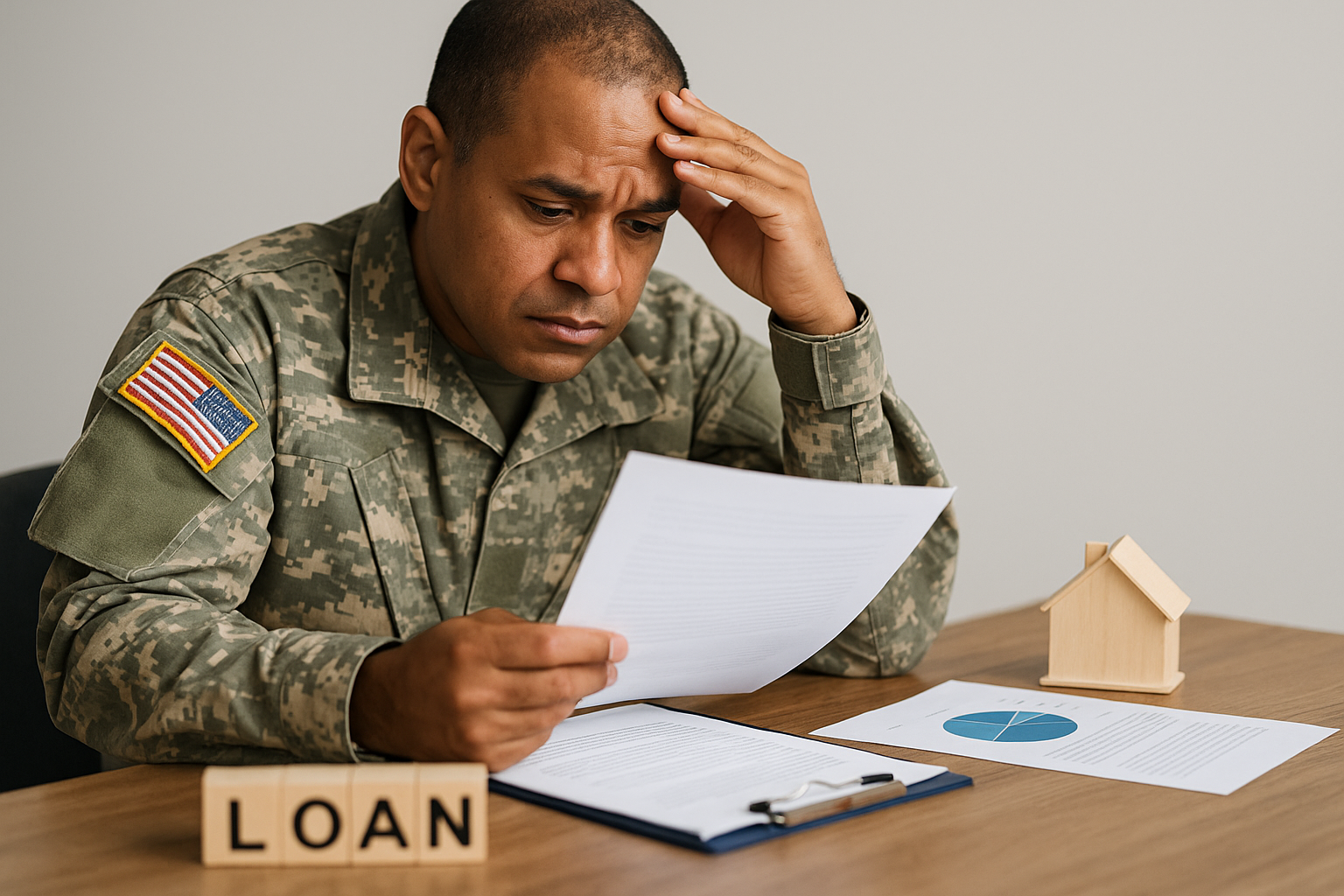
Understanding Military Borrowing Options With Bad Credit
Navigating financial challenges can be particularly stressful for military members, especially those dealing with bad credit. When considering options for how much one can borrow, it’s crucial to understand the available lending choices, the impact of one's credit score, and other influencing factors. Below, we’ll explore these aspects in detail to help military personnel make informed financial decisions.
What is Considered Bad Credit?
Before diving into borrowing options, let’s clarify what "bad credit" means. Typically, a credit score below 580 is considered poor. This is based on the FICO scoring model, which ranges from 300 to 850. A low score can result from various factors, including late payments, defaults, or high credit utilization.
For military members stationed abroad, maintaining a good credit score while meeting deployment demands can be challenging. It's important to routinely check credit reports and address any discrepancies or delinquent accounts promptly.
Borrowing Options for Military Members with Bad Credit
Military-Specific Loans
There are several lending options tailored specifically for military personnel that may be more lenient towards those with less-than-perfect credit.
- VA Loans: These loans are managed by the U.S. Department of Veterans Affairs and offer favorable terms for eligible veterans and service members. VA loans do not have a minimum credit score requirement, but individual lenders might. Even with bad credit, borrowers might still qualify if other financial metrics are positive.
- Navy Federal Credit Union Loans: Known for working closely with military families, Navy Federal offers personal loans with competitive rates. They might consider factors other than credit scores, such as length of service and income stability.
Personal Loans
Personal loans can be a viable option, but they often come with higher interest rates if you have bad credit.
- Secured Personal Loans: These loans require collateral, which could be in the form of a vehicle or savings account. They can offer lower interest rates than unsecured loans because the risk to the lender is mitigated.
- Unsecured Personal Loans: Available through banks and online lenders, these loans don't require collateral but do often require a better credit score or come with higher interest rates.
Factors That Affect Borrowing Limits
While bad credit can restrict borrowing limits, other factors come into play that can improve the situation or offer alternative solutions.
Debt-to-Income Ratio
Lenders look at the debt-to-income (DTI) ratio to assess financial health. A lower DTI ratio, meaning more income relative to debt, suggests better repayment capability, which can positively impact borrowing limits.
Employment Stability
Consistent employment shows lenders that you have reliable income, which can offset concerns about bad credit. For military members, stable employment history at your current rank and length of service can be advantageous when applying for a loan.
Co-signer Options
Adding a co-signer with good credit can significantly improve your chances of qualifying for a loan and obtaining a higher borrowing amount. The co-signer agrees to take responsibility if you default, which reassures lenders.
Strategies to Improve Your Borrowing Power
Enhancing your borrowing power with bad credit involves strategic financial adjustments.
Credit Repair
Working on repairing credit can increase borrowing limits over time. This involves paying down existing debts, ensuring all bills are paid on time, and disputing any inaccuracies on your credit report. Utilizing rock-solid tutorials from financial education platforms can be helpful.
Utilizing Military Credit Counseling
Free credit counseling services are available to military members through various non-profit organizations and the military. They provide guidance tailored to your unique situation, aiming to improve financial health and credit scores over time.
Using Budgeting Tools
Military-specific budgeting tools enable you to track expenses and manage finances better, helping avoid additional debt and ensuring timely payments. Proactive budgeting can increase disposable income, thereby enhancing borrowing power.
Conclusion
While borrowing with bad credit can pose challenges for military personnel, understanding the available options and working on credit improvement can provide significant support. Exploring military-friendly lenders, leveraging employment stability, and possibly involving a co-signer are all strategies to maximize borrowing potential.
Keeping informed about current financial tools and education offerings will bolster your ability to navigate these challenges effectively. For more detailed guidance, visiting resources like the Consumer Financial Protection Bureau (CFPB) or the U.S. Department of Veterans Affairs for VA loan specifics can be beneficial.
Navy Federal personal loan FAQs
Navy Federal military eligibility
PenFed debt consolidation loans
Servicemembers Civil Relief Act
Emergency funding for servicemembers and families
Protections for servicemembers and veterans
Veterans United VA loans guide