Exploring Loan Options for SSDI Recipients with Challenging Credit Scores
Exploring financial avenues for SSDI recipients can be challenging, especially when facing credit hurdles. While having a low credit score can pose difficulties, it doesn't necessarily rule out all options. Discover insights on how SSDI recipients might approach securing loans despite bad credit.
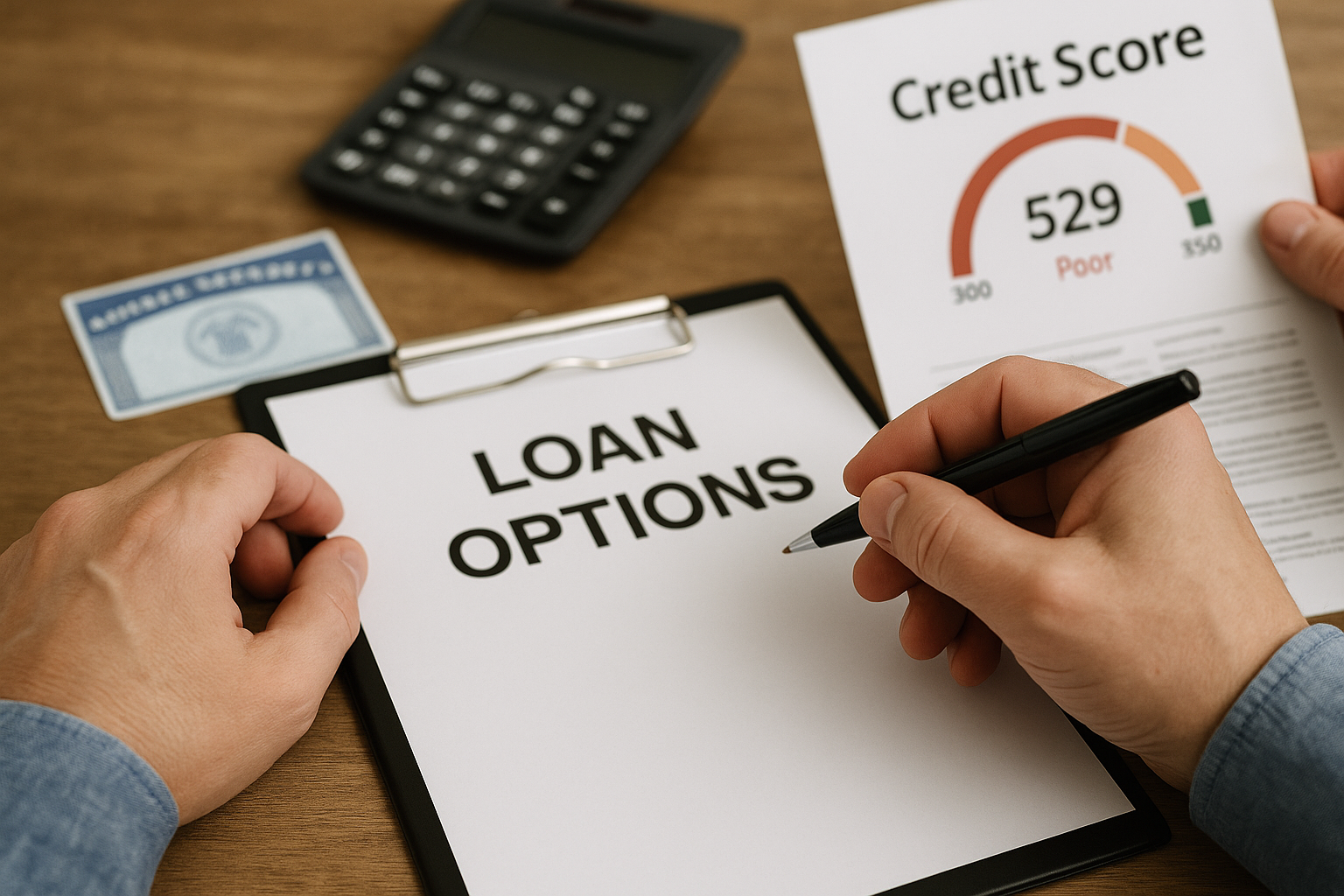
Understanding SSDI and Bad Credit Loans
Social Security Disability Insurance (SSDI) provides financial assistance to individuals who are unable to work due to a disability. However, SSDI recipients may face financial challenges when their benefits are insufficient to cover their expenses. Bad credit loans can offer relief in such situations, but the interplay between these loans and SSDI benefits is complex.
What Are Bad Credit Loans?
Bad credit loans are designed for individuals with poor or limited credit history, making it difficult for them to qualify for traditional loans. These loans typically come with higher interest rates and shorter repayment terms to offset the lender’s risk. Common types include payday loans, personal loans, and installment loans.
- Payday Loans: Short-term loans expected to be repaid by the borrower's next payday. They usually have high fees.
- Personal Loans: Unsecured loans that can be used for various purposes and usually have fixed interest rates and longer repayment terms.
- Installment Loans: Loans that are repaid over a set period with a predetermined number of payments.
Can SSDI Recipients Get Approved for Bad Credit Loans?
SSDI recipients can potentially qualify for bad credit loans, but approval depends on factors such as the lending institution's policies, the individual's credit score, and their ability to repay the loan. Lenders often look for a consistent income source, which SSDI benefits can provide.
Factors Lenders Consider
When determining eligibility for a bad credit loan, lenders typically evaluate:
- Credit Score: Even if it's low, a credit report provides insight into past financial behavior.
- Income Stability: Regular SSDI payments can serve as a reliable income source.
- Debt-to-Income Ratio: Lower ratios can improve loan approval chances.
Such parameters help lenders assess the risk involved in lending to individuals with bad credit but a steady income source.
How to Improve Your Chances of Approval
Even with bad credit, there are measures SSDI recipients can take to enhance their loan approval prospects:
Check Your Credit Report
Regularly review your credit report for errors or discrepancies that may adversely affect your score. Correcting these can incrementally improve your credit rating. Free annual credit reports are available through major bureaus like Equifax, Experian, and TransUnion.
Consider a Co-Signer
Having a creditworthy co-signer can greatly increase loan approval chances, as lenders may view their credit profile as a testament to the loan’s potential repayment.
Borrow Only What You Need
Asking for a smaller loan amount can enhance approval prospects because it poses a lesser risk to lenders. Borrow only what you need and can afford to repay, given your budget limitations.
Potential Risks and Considerations
While bad credit loans are accessible, they come with certain risks:
High Interest Rates
Due to the elevated risk associated with lending to individuals with poor credit, interest rates can be considerably higher, leading to substantial repayment amounts over time.
Short Repayment Terms
The majority of these loans have shorter repayment cycles, which can lead to financial strain if the borrower isn't prepared. It's important to assess whether you can feasibly adhere to the repayment schedule.
Impact on Benefits
Accepting additional income through loans can affect your SSI benefits (not SSDI), as it might count towards your income limit. It's essential to consult with a benefits counselor to understand potential implications fully.
Conclusion: Making Informed Decisions
SSDI recipients facing financial difficulties may find bad credit loans a viable option, but these loans should be approached with caution. Understanding the terms, potential costs, and the impact on overall finances is crucial. By being informed and cautious, you can make wise borrowing decisions that align with your needs and financial capabilities.
For further guidance, consider reaching out to a financial advisor or exploring reputable financial counseling services that can offer personalized advice based on your unique circumstances.
https://www.usa.gov/benefits-loans-grants
https://www.ssa.gov/benefits/disability/
https://www.consumerfinance.gov/consumer-tools/loans/
https://www.nerdwallet.com/article/loans/personal-loans/personal-loans-for-bad-credit
https://www.lendingtree.com/personal/bad-credit-loans/
https://www.experian.com/blogs/ask-experian/personal-loans-for-bad-credit/
https://www.creditkarma.com/personal-loans/i/personal-loans-for-bad-credit
https://www.upstart.com/personal-loans/bad-credit-loans
https://www.oneMainFinancial.com/personal-loans
https://www.opploans.com/personal-loans/bad-credit-loans/
https://www.lendingpoint.com/personal-loans
https://www.moneylion.com/loans/
https://www.badcreditloans.com/
https://www.incharge.org/debt-relief/personal-loans-for-people-on-disability/