Exploring Moisturizers That Support Healthy Aging of the Skin
A good moisturizer does more than just hydrate; it can be one of your most powerful tools against the signs of aging.
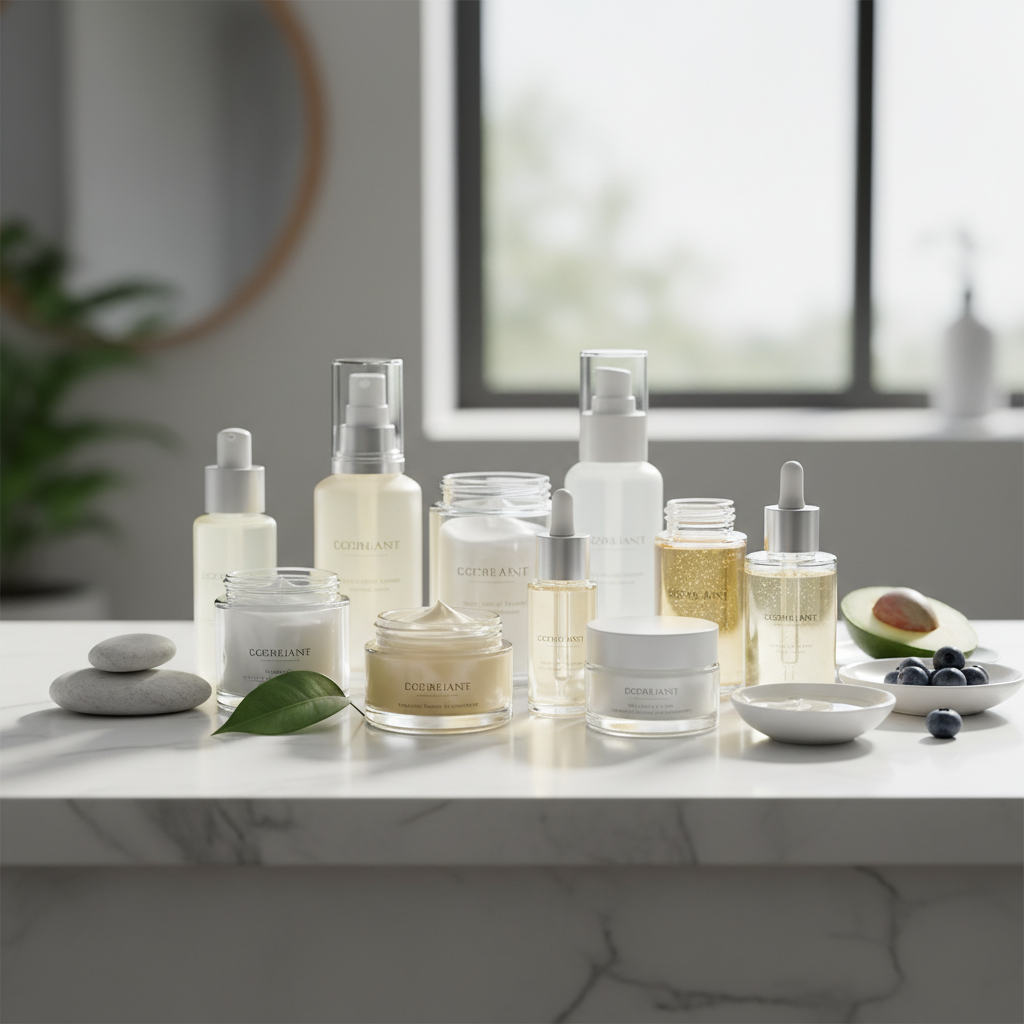
Key Ingredients That Power Anti-Aging Moisturizers
Understanding what goes into a moisturizer is the first step toward finding one that can genuinely support your skin's health as it matures. Not all creams are created equal, and the secret lies in specific active ingredients that have been studied for their ability to address the signs of aging. From boosting collagen production to providing deep hydration and antioxidant protection, these components are the workhorses of effective anti-aging skincare.
1. Retinoids (Vitamin A Derivatives)
Retinoids are often considered the gold standard in anti-aging skincare, and for good reason. This class of vitamin A derivatives works by binding to receptors in skin cells, encouraging faster cell turnover. This process helps to shed old, dull skin cells and bring fresh, new ones to the surface, which can improve skin texture and reduce the appearance of fine lines. More importantly, retinoids are known to stimulate collagen production, the essential protein that gives skin its firmness and elasticity. With consistent use, this can lead to visibly firmer and smoother skin.
The term "retinoid" covers both prescription-strength versions like tretinoin and over-the-counter options like retinol and retinaldehyde. While prescription forms are more potent, over-the-counter retinol is an excellent starting point for many people. It's crucial to introduce retinoids slowly into your routine—perhaps starting with a few nights a week—to allow your skin to acclimate, as they can cause initial dryness and irritation. Using them at night is recommended, as they can make the skin more sensitive to sunlight.
2. Hyaluronic Acid
If you're looking for an ingredient that delivers an immediate plumping effect, hyaluronic acid is a superstar. It's a type of sugar molecule that occurs naturally in our skin and connective tissues, with a remarkable ability to attract and hold onto water molecules—up to 1,000 times its weight in water, in fact. As a humectant, it draws moisture from the air and the deeper layers of your skin to hydrate the surface. This intense hydration helps to instantly plump the skin, which can make fine lines and wrinkles less noticeable.
As we age, our natural production of hyaluronic acid decreases, leading to drier skin that is more prone to showing signs of aging. By incorporating a moisturizer with hyaluronic acid into your daily routine, you can help replenish the skin’s moisture levels, support a healthy skin barrier, and maintain a smoother, more supple appearance. It is generally well-tolerated by all skin types, including sensitive and oily skin, due to its lightweight nature.
3. Peptides
Think of peptides as messengers for your skin cells. They are short chains of amino acids, which are the fundamental building blocks of proteins like collagen, elastin, and keratin. These proteins are responsible for the skin’s texture, strength, and resilience. When applied topically through a moisturizer, different types of peptides can send signals to your skin to perform specific functions. For example, some peptides can signal your skin to produce more collagen, effectively "tricking" it into behaving like younger skin.
There are various kinds of peptides used in skincare, each with a different role. Signal peptides can boost collagen production, carrier peptides help deliver trace minerals to the skin, and others may help relax facial muscles, offering a mild, temporary reduction in the appearance of expression lines. By supporting the skin's natural proteins, moisturizers with peptides can help improve firmness, reduce the look of wrinkles, and enhance overall skin texture over time.
4. Vitamin C (L-Ascorbic Acid)
Vitamin C is a potent antioxidant that plays a crucial defensive role in any anti-aging skincare routine. Throughout the day, our skin is exposed to environmental aggressors like UV radiation and pollution, which generate unstable molecules called free radicals. These free radicals damage skin cells, break down collagen, and accelerate the aging process. As an antioxidant, Vitamin C helps to neutralize these free radicals, protecting the skin from this damage.
Beyond its protective qualities, Vitamin C is also vital for the synthesis of collagen, providing another pathway to firmer, more youthful-looking skin. Furthermore, it has skin-brightening properties, as it can inhibit the enzyme responsible for melanin production. This can help to fade dark spots and hyperpigmentation, leading to a more even and radiant complexion. For best results, look for moisturizers where Vitamin C is formulated in a stable form, like L-Ascorbic Acid, and packaged in opaque, air-tight containers to prevent degradation.
5. Niacinamide (Vitamin B3)
Niacinamide is a true multitasking ingredient that addresses multiple skin concerns at once, making it an invaluable addition to an anti-aging moisturizer. One of its primary benefits is its ability to strengthen the skin's barrier function. It does this by helping the skin produce more ceramides, which are lipids that help retain moisture and keep irritants out. A strong barrier means more hydrated, resilient skin that is less susceptible to environmental damage.
In addition to barrier support, niacinamide has been shown to improve skin elasticity, reduce the appearance of fine lines, and minimize redness and blotchiness. It also helps regulate oil production, which can be beneficial for those with combination or oily skin, and can make pores appear smaller. Its anti-inflammatory properties make it suitable for sensitive or acne-prone skin types, offering a gentle yet effective approach to achieving a smoother and more even-toned complexion.
Understanding the Science of Skin Aging
The process of skin aging is complex and influenced by two primary factors: intrinsic and extrinsic aging. Intrinsic aging is the natural, genetically determined process that happens over time. As we grow older, our bodies naturally produce less collagen and elastin. Collagen provides the skin's structure and firmness, while elastin allows it to snap back into place. The slowdown in their production leads to thinner, more fragile skin, and the eventual formation of wrinkles.
Extrinsic aging, on the other hand, is caused by external environmental and lifestyle factors. The single biggest contributor to extrinsic aging is sun exposure, a process known as photoaging. Ultraviolet (UV) radiation from the sun penetrates the skin and actively breaks down existing collagen and elastin fibers, leading to premature wrinkles, sagging, and pigmentation issues like sunspots. Other external factors include pollution, smoking, and poor nutrition, all of which can introduce free radicals that damage skin cells and accelerate the visible signs of aging.
A good moisturizer works to combat both types of aging. By delivering hydration and supporting the skin barrier, it addresses the dryness and fragility associated with intrinsic aging. By including ingredients like antioxidants (Vitamin C) and retinoids, it helps protect against and repair the damage caused by extrinsic factors, making it a crucial tool in maintaining skin health and vitality for longer.
Common Questions About Anti-Aging Skincare
When Should You Start Using Anti-Aging Moisturizers?
There is no magic age to begin using anti-aging products, as the best approach is preventative rather than reactive. Many dermatologists suggest that individuals can start incorporating anti-aging elements into their skincare routines in their mid-to-late 20s. During this time, the skin's natural collagen production begins its slow decline, and the first subtle signs of aging, like fine lines around the eyes, may start to appear.
In your 20s, the focus should be on prevention and hydration. This means using a moisturizer with antioxidants like Vitamin C to protect against environmental damage and ingredients like hyaluronic acid to keep the skin plump and hydrated. Sunscreen is the most critical anti-aging product at any age. As you move into your 30s and beyond, you might introduce more potent ingredients like retinoids and peptides to actively stimulate collagen production and address more visible signs of aging. The key is to listen to your skin and introduce new products gradually.
Can Lifestyle Choices Enhance a Moisturizer's Effects?
Absolutely. While a high-quality moisturizer can do wonders for your skin's surface, its effects are significantly amplified by a healthy lifestyle. Skincare is holistic, and what you do for your body is directly reflected in your skin's health. The most important lifestyle factor is consistent sun protection. No anti-aging ingredient can outperform daily use of a broad-spectrum sunscreen with an SPF of 30 or higher, as it prevents the UV damage that causes the majority of visible aging.
Beyond sunscreen, other habits play a huge role. A balanced diet rich in antioxidants, vitamins, and healthy fats provides your skin with the nutrients it needs to repair itself. Staying well-hydrated by drinking plenty of water helps maintain skin elasticity from the inside out. Furthermore, getting adequate sleep is crucial, as the skin undergoes its primary repair and regeneration processes while you rest. Managing stress and avoiding smoking can also have a profound impact on preserving your skin's youthful appearance, allowing your moisturizer to work more effectively on a healthier foundation.
Final Thoughts on Moisturizers and Skin Aging
While no cream or lotion can completely halt the natural aging process, the right moisturizer can be a powerful ally in slowing down its visible effects. By choosing products formulated with proven ingredients like retinoids, hyaluronic acid, peptides, and antioxidants, you can provide your skin with the tools it needs to stay hydrated, firm, and protected from environmental stressors.
Ultimately, the most effective anti-aging strategy is a consistent one. Daily moisturizing, coupled with diligent sun protection and healthy lifestyle choices, forms a comprehensive approach to maintaining vibrant, healthy-looking skin for years to come. It’s not about erasing every line, but about supporting your skin's health so it can look its best at any age.
For further reading and information, you can visit these reputable sources: