Exploring Ozempic Patient Assistance: Accessing Support Programs for Affordable Care
Discover the potential benefits of Ozempic patient assistance programs designed to help those who need financial support. These programs may offer eligible patients access to crucial medication at reduced costs. Learn more about how to apply, eligibility criteria, and other resources available.
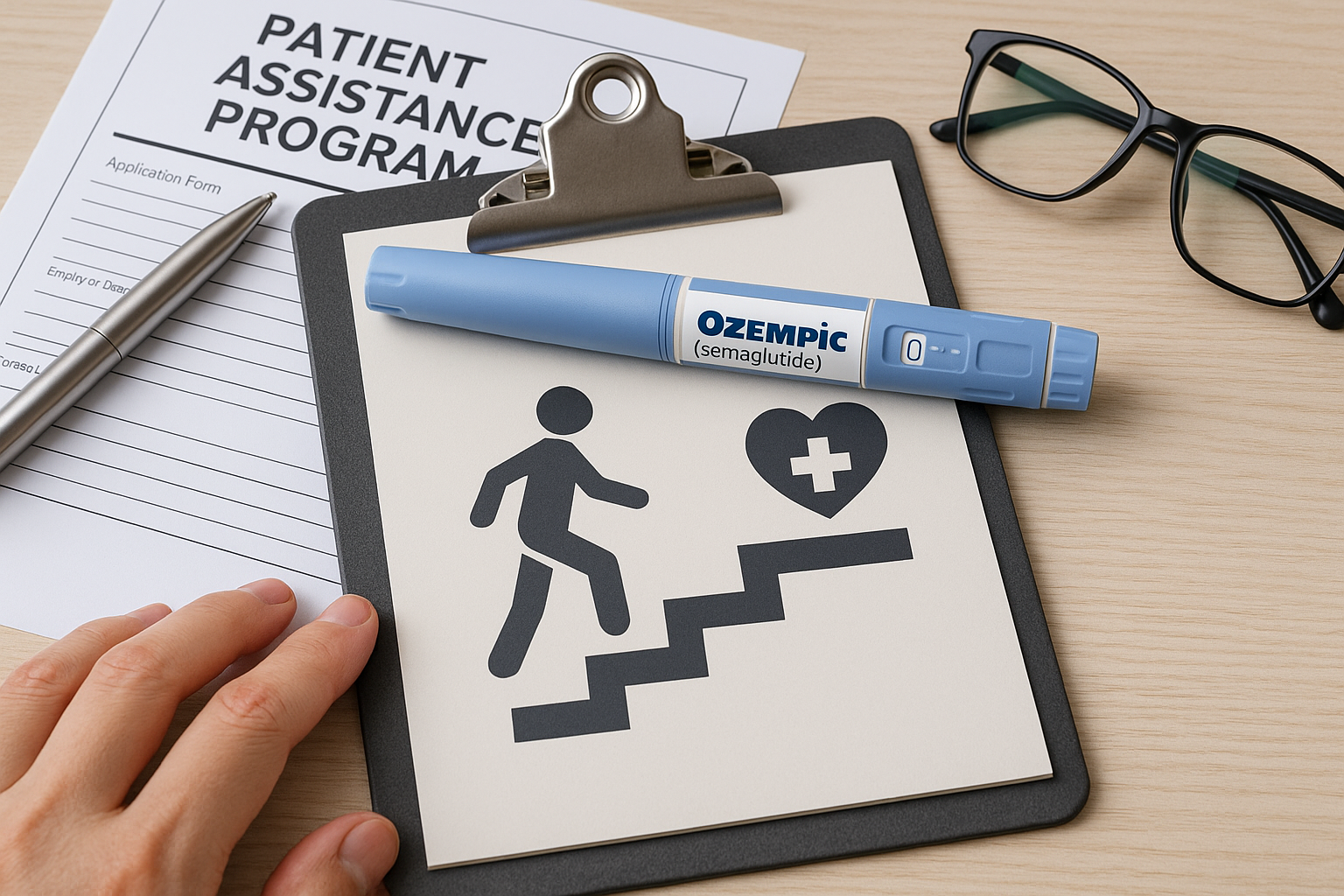
Understanding Ozempic and Its Role in Diabetes Management
Ozempic is a medication that has become increasingly essential for individuals managing type 2 diabetes. It functions by stimulating the pancreas to produce more insulin when blood sugar levels are high, assisting in maintaining healthy levels. This medication, a GLP-1 receptor agonist, also slows down digestion, which helps in controlling appetite and weight — crucial factors in diabetes management. As with many vital medications, affordability can be a concern, which brings us to patient assistance programs.
What Are Ozempic Patient Assistance Programs?
Patient assistance programs (PAPs) are designed to help ensure that financial barriers do not prevent patients from accessing necessary medications like Ozempic. These programs are usually sponsored by pharmaceutical companies, nonprofit organizations, or government agencies. They either reduce the cost or provide the medication for free to eligible patients.
Who Is Eligible for These Programs?
Eligibility criteria for Ozempic patient assistance programs can vary. Generally, it includes factors like:
- Income level: Assistance is often targeted at individuals or families with a household income below a certain percentage of the federal poverty level.
- Insurance status: Uninsured or underinsured individuals may qualify more readily.
- Citizenship: Some programs might require participants to be U.S. residents or citizens.
- Medical need: Documentation or a prescription from a healthcare provider may be necessary to confirm the medical need for Ozempic.
These criteria ensure that those who are most in need receive help. It's important to review each program's specifics because they can differ significantly.
Navigating the Application Process
The process of applying for a patient assistance program can be daunting, but knowing the steps can demystify it:
Step by Step Application Guide
- Research: Use official sources or trusted healthcare advocacy organizations to find credible programs offering Ozempic assistance.
- Documentation: Gather necessary documents such as proof of income, insurance details, and your prescription or medical records.
- Application: Complete the application form, which might be available online or require a physical print-out. Ensure accuracy to avoid processing delays.
- Submission: Submit your application as directed — through mail, fax, or an online portal.
- Follow-up: Regularly check for updates after submission. Sometimes, additional documentation or clarification might be requested by the program administrators.
Being proactive and thorough can significantly speed up the process and increase the chances of approval.
Real-World Impact of Assistance Programs
In 2026, data from Kaiser Family Foundation showed that nearly 20 million adults in America rely on insulin and related medications, highlighting the importance of affordable access. Patient assistance programs have made it possible for individuals to maintain their treatment regimens, thus avoiding costly complications associated with diabetes.
For example, Maria, a 45-year-old nurse from Texas, shared her story on a national diabetes forum. Despite having a stable job, her insurance covered only a fraction of her diabetes medication expense due to high copays and deductibles. By enrolling in an Ozempic patient assistance program, she managed to obtain her medication without financial stress, allowing her to focus on her health and career.
Alternatives and Additional Resources
If one does not qualify for a patient assistance program, there are alternative avenues to explore:
- Generic Options: Consult with healthcare providers about generic versions or alternative medications that may be more affordable.
- Coupons and Rebates: Often, pharmaceutical companies provide coupons and rebates directly on their official websites.
- Nonprofit Organisations: Organizations such as the National Council on Aging offer resources and sometimes direct assistance for medication costs.
- State Programs: Some state health departments have programs to assist patients with medication access — checking local resources can be beneficial.
Additionally, maintaining open communication with healthcare providers can lead to discovering less known yet effective support programs tailored to individuals' specific cases.
Conclusion: Empowering Patients Through Information
Access to medications like Ozempic should not be a burden for those who need them. Understanding and utilizing patient assistance programs can make a significant difference in managing diabetes effectively. By staying informed and exploring all available options, individuals can overcome financial barriers to ensure their health remains a priority.
Education and proactive healthcare management strategies empower patients, allowing them to lead healthier, more stable lives despite the challenges posed by chronic conditions like diabetes.
Reference Links
https://www.novocare.com/diabetes/help-with-costs/pap.html
https://www.novocare.com/diabetes/products/ozempic/savings-offer.html
https://www.needymeds.org/drug_list.taf?_function=name&name=Ozempic