Exploring Proven Methods for Gout Relief: What You Need to Know
If you're looking for real relief from painful gout flare-ups, you've landed in the right place. Finding the right treatment is crucial, and it often involves a combination of different approaches.
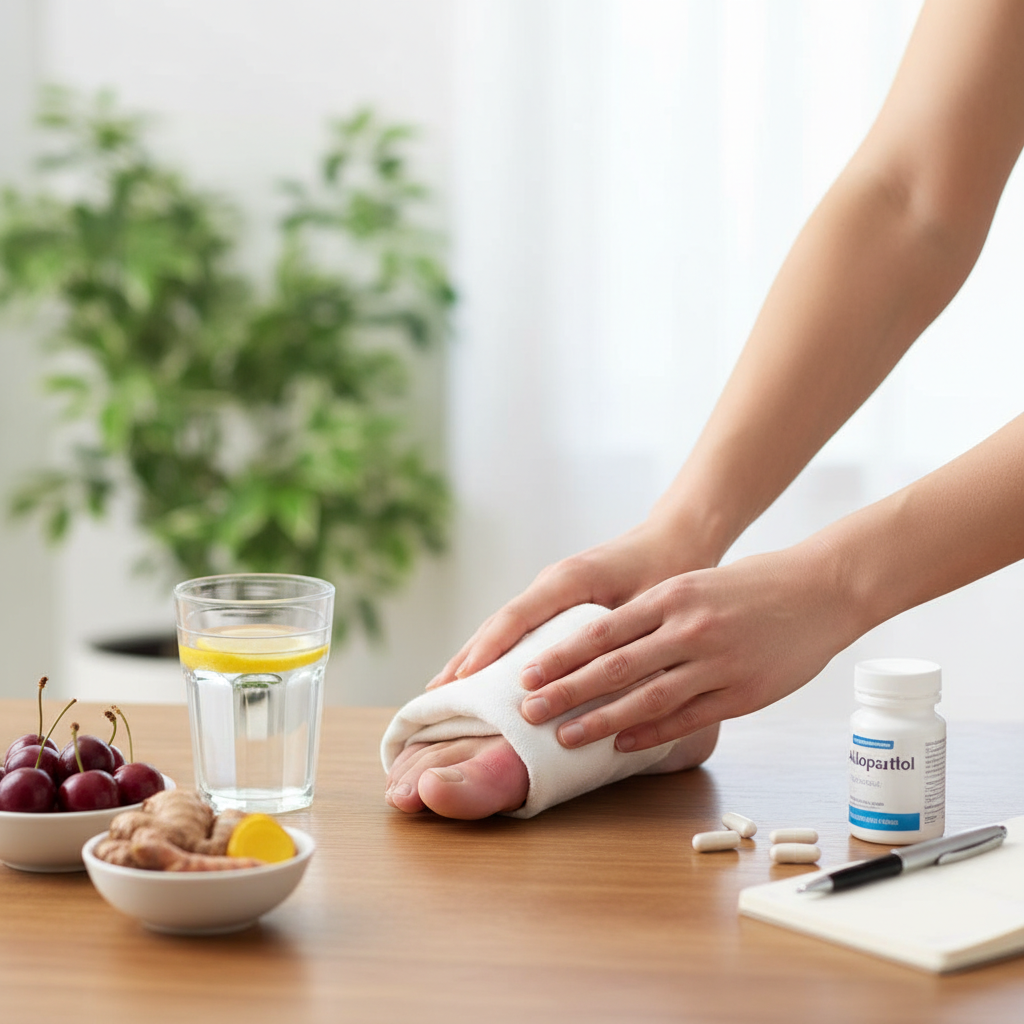
Effective Treatment Options For Gout Relief
Gout is a painful form of inflammatory arthritis caused by the buildup of uric acid crystals in the joints. An attack, or "flare," can cause sudden, intense pain, swelling, and redness, often in the big toe. Fortunately, a combination of medications and lifestyle adjustments can effectively manage acute flares and prevent future occurrences. Treatment strategies are typically divided into two categories: those that address the immediate pain and inflammation of an attack and those that lower uric acid levels in the body to prevent long-term complications.
Medications for Managing Gout Flares
When a gout flare strikes, the primary goal is to quickly reduce pain and inflammation. Several types of medications are commonly used for this purpose.
Nonsteroidal Anti-Inflammatory Drugs (NSAIDs)
Over-the-counter NSAIDs like ibuprofen (Advil, Motrin) and naproxen sodium (Aleve) are often the first line of defense against the pain of a gout attack. They work by blocking enzymes in the body that produce prostaglandins, substances that contribute to inflammation and pain. For more severe attacks, a doctor may prescribe stronger, prescription-strength NSAIDs such as indomethacin or celecoxib. It's crucial to take these medications as soon as you feel a flare beginning for them to be most effective.
While effective for short-term relief, long-term or high-dose use of NSAIDs can carry risks, including stomach ulcers, bleeding, and kidney problems. For this reason, they are typically recommended only for the duration of an acute attack. Your doctor will advise on the appropriate dosage and duration based on your overall health and the severity of your symptoms.
Colchicine
Colchicine is a more targeted anti-inflammatory medication that has been used to treat gout for centuries. It works by preventing immune cells from causing the swelling and pain associated with uric acid crystals in the joints. It is most effective when taken within the first 24 hours of a flare-up. A doctor may prescribe a low daily dose of colchicine to help prevent future attacks, especially when you first start taking a uric acid-lowering medication.
The primary side effects of colchicine are gastrointestinal, such as nausea, vomiting, and diarrhea. Doctors typically prescribe a lower dose than was common in the past to minimize these side effects while still providing effective relief. It's important to follow your doctor's dosage instructions precisely to avoid complications.
Corticosteroids
Corticosteroids are powerful anti-inflammatory drugs that can be used to control severe gout pain and inflammation, particularly for individuals who cannot take NSAIDs or colchicine. These medications, which include prednisone, can be taken orally as pills or injected directly into the affected joint for rapid relief. An injection can be especially helpful when only one or two joints are inflamed.
Oral corticosteroids are usually prescribed for a short period to bring a flare under control, with the dose gradually tapered off to prevent withdrawal symptoms. Long-term use of oral steroids is generally avoided due to the risk of significant side effects, including bone thinning, weight gain, and an increased risk of infection.
Medications for Preventing Future Gout Attacks
Once an acute flare has subsided, the focus shifts to long-term management aimed at lowering uric acid levels in the blood to prevent new crystals from forming.
Xanthine Oxidase Inhibitors (XOIs)
This class of medication is the most common long-term treatment for chronic gout. XOIs, such as allopurinol and febuxostat, work by reducing the amount of uric acid your body produces. Allopurinol is typically the first-choice medication for preventing future attacks. Your doctor will start you on a low dose and gradually increase it while monitoring your uric acid levels until they reach a target range, which is usually below 6.0 mg/dL.
It's important to note that when you first start taking an XOI, it can sometimes trigger a gout flare as existing uric acid crystals begin to dissolve. To prevent this, your doctor may also prescribe a low dose of colchicine or an NSAID for the first few months of treatment. Side effects are generally mild but can include a rash or stomach upset.
Uricosurics
Uricosurics, such as probenecid, work differently than XOIs. Instead of reducing uric acid production, they help your kidneys become more efficient at removing uric acid from your body through urine. This type of medication may be prescribed if your body is not effectively excreting uric acid, but it is not suitable for individuals with kidney stones or chronic kidney disease.
To ensure this medication works properly and to reduce the risk of forming kidney stones, it is essential to drink plenty of water throughout the day. Like XOIs, uricosurics can also trigger gout flares when treatment is initiated, so a preventative anti-inflammatory medication is often prescribed alongside them for the first several months.
Lifestyle and Home Remedies for Gout Management
In addition to medication, certain lifestyle changes can play a significant role in managing gout and reducing the frequency of flares.
- Stay Hydrated: Drinking plenty of water—aiming for 8 to 16 glasses a day—helps your kidneys flush uric acid from your system. This simple habit can reduce the concentration of uric acid in your blood and lower the risk of crystal formation.
- Limit High-Purine Foods: Purines are natural substances found in many foods that break down into uric acid. Limiting your intake of high-purine foods like red meat, organ meats (liver, kidneys), and certain types of seafood (anchovies, sardines, mussels) can help lower your uric acid levels.
- Reduce Alcohol Intake: Alcohol, especially beer and hard liquor, can significantly increase uric acid levels and trigger gout attacks. Beer is particularly problematic as it is high in purines. Limiting or avoiding alcohol is a key part of a gout management plan.
- Maintain a Healthy Weight: Being overweight increases your body's production of uric acid and puts extra stress on your joints. Losing weight through a balanced diet and regular exercise can lower uric acid levels and reduce the frequency and severity of gout flares.
- Apply Ice: During an acute flare, applying a cloth-wrapped ice pack to the affected joint for 20-30 minutes several times a day can help reduce inflammation and numb the pain.
Understanding Gout: What Causes the Painful Flares?
Gout is fundamentally a disorder of metabolism. It occurs when there's too much uric acid in the bloodstream, a condition known as hyperuricemia. Uric acid is a waste product created when the body breaks down purines, which are chemicals found naturally in our cells and in many foods. Normally, uric acid dissolves in the blood, passes through the kidneys, and is excreted in urine. However, if your body produces too much uric acid or your kidneys don't excrete enough of it, the levels in your blood can rise.
When uric acid levels become too high, the acid can form sharp, needle-like crystals called monosodium urate crystals. These crystals tend to accumulate in a joint or the surrounding tissue, most commonly in the big toe. The body's immune system perceives these crystals as foreign invaders and launches an inflammatory response. White blood cells rush to the area, releasing chemicals that cause the intense pain, swelling, redness, and heat characteristic of a gout attack. This sudden and severe inflammatory response is what makes gout flares so debilitating.
Common Questions About Gout Management
Can Certain Foods Trigger a Gout Attack?
Yes, diet plays a significant role in managing gout for many people. High-purine foods are the primary culprits because they directly contribute to the body's uric acid load. Foods notorious for triggering attacks include red meats like beef and lamb, organ meats such as liver and sweetbreads, and some seafood, particularly anchovies, sardines, scallops, and mussels. Avoiding or strictly limiting these foods can be a powerful preventative measure.
Furthermore, beverages sweetened with high-fructose corn syrup are strongly linked to an increased risk of gout. The body's metabolism of fructose stimulates uric acid production. Sugary drinks, sodas, and even some fruit juices should be consumed with caution. On the other hand, some foods are thought to be beneficial. Cherries, for instance, have been shown in some studies to lower uric acid levels and reduce the risk of gout attacks due to their anti-inflammatory properties. A low-purine diet, combined with proper hydration, is a cornerstone of non-medical gout management.
What's the Difference Between Acute and Chronic Gout Treatment?
The approach to treating gout is distinctly two-pronged, addressing both immediate and long-term needs. Acute treatment is focused entirely on stopping a flare-up that is already in progress. The goal is rapid pain relief and reduction of inflammation. This is where medications like NSAIDs, colchicine, and corticosteroids come in. They do not lower the underlying uric acid levels in the body but are highly effective at calming the intense inflammatory response caused by the crystals.
Chronic treatment, on the other hand, is a long-term preventative strategy. Its purpose is to lower the overall level of uric acid in the blood to prevent future attacks from ever happening. This is achieved with medications like allopurinol or probenecid, which are taken daily, regardless of whether you are having symptoms. The goal is to keep uric acid levels consistently below the point of crystallization (typically under 6.0 mg/dL). This long-term approach not only prevents painful flares but also stops the slow, destructive damage that uric acid crystals can do to joints and kidneys over time.
Are There Any Natural Supplements That Help With Gout?
Several natural supplements and remedies are often discussed in relation to gout, though scientific evidence varies. Vitamin C is one of the most studied supplements for gout. Research suggests that higher doses of vitamin C may help lower uric acid levels by assisting the kidneys in its excretion. However, it's essential to consult a doctor before starting high-dose supplements, as they may not be appropriate for everyone, especially those with a history of kidney stones.
As mentioned, cherries and tart cherry juice are popular natural remedies due to their high concentration of anthocyanins, which have anti-inflammatory and antioxidant effects. Some studies have linked cherry consumption to a reduced risk of gout attacks. Other supplements sometimes mentioned include celery seed extract and bromelain (an enzyme from pineapple), both believed to have anti-inflammatory properties. While these natural options may offer some benefits as part of a comprehensive management plan, they should not be used as a substitute for prescribed medical treatment, especially for moderate to severe gout.
Conclusion
Treating gout effectively requires a comprehensive approach that addresses both the immediate pain of a flare-up and the underlying cause of high uric acid. For acute attacks, anti-inflammatory medications like NSAIDs, colchicine, and corticosteroids provide rapid relief. For long-term prevention, medications that lower uric acid levels, such as allopurinol and probenecid, are crucial. These medical treatments, when combined with key lifestyle modifications like a low-purine diet, proper hydration, and maintaining a healthy weight, can significantly reduce the frequency of attacks and prevent the long-term joint damage associated with chronic gout.
For more information on Gout and its management, please visit: