Exploring Reverse Mortgages: How Veterans Can Benefit from No Monthly Payments
Explore how veterans might benefit from a reverse mortgage without monthly payments. Discover vital insights into potential advantages, considerations, and eligibility factors for veterans exploring this financial option.
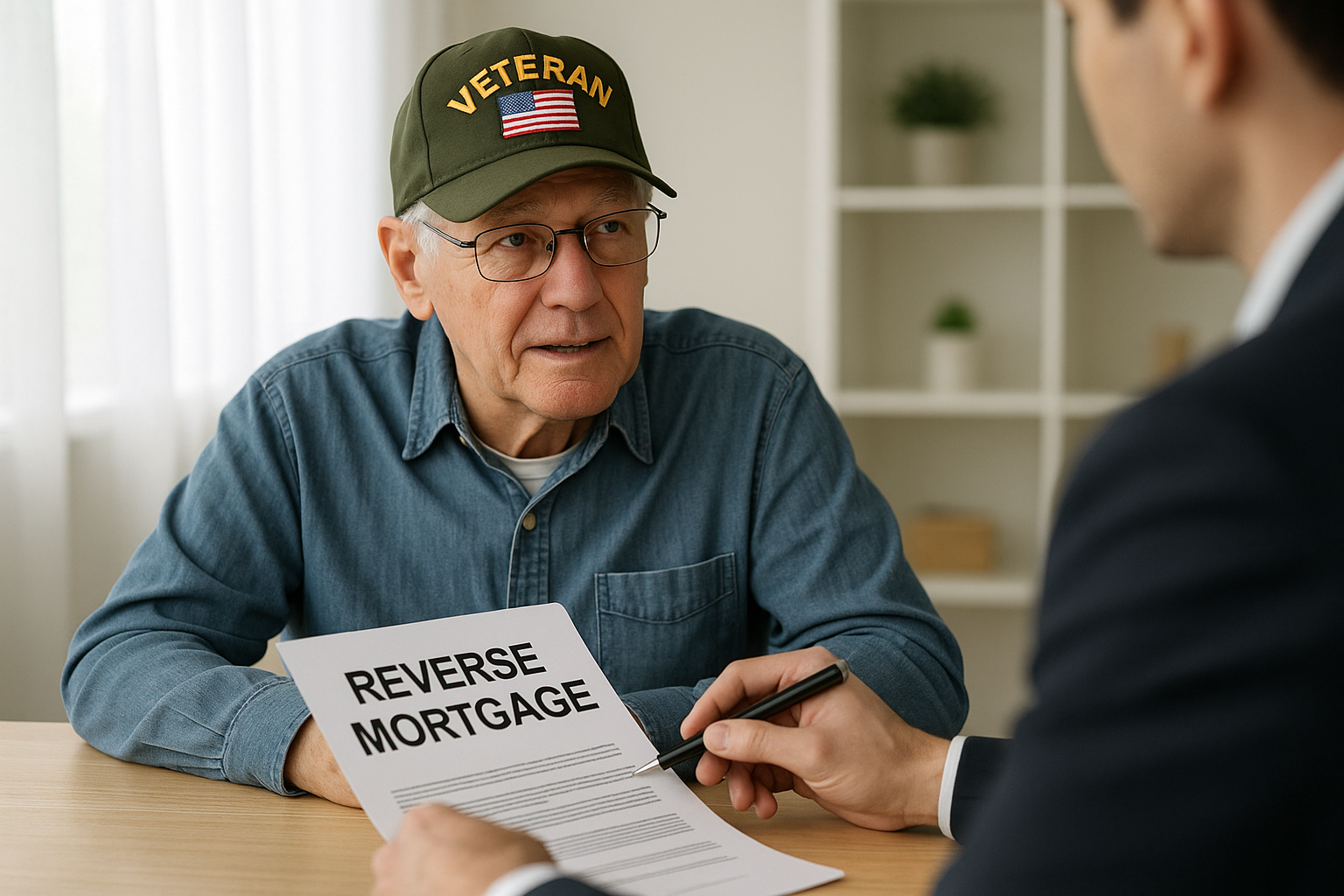
Understanding Reverse Mortgages for Veterans
Reverse mortgages can be a great solution for veterans looking to access their home equity without the burden of monthly payments. However, understanding whether a reverse mortgage is the right choice for veterans involves considering specific eligibility criteria, benefits, and potential downsides. In this article, we will explore the key aspects of reverse mortgages, particularly focusing on how veterans can utilize these financial tools effectively.
What is a Reverse Mortgage?
A reverse mortgage is a type of loan that allows homeowners, typically aged 62 or older, to convert part of their home equity into cash. Unlike a traditional mortgage, there are no monthly mortgage payments. Instead, repayment occurs when the borrower no longer lives in the home. The most common type of reverse mortgage is the Home Equity Conversion Mortgage (HECM), which is insured by the Federal Housing Administration (FHA).
For veterans, a reverse mortgage can offer the financial flexibility to access home equity while maintaining home ownership. This can be particularly beneficial for those living on a fixed income or those who need funds for healthcare, home improvements, or other expenses.
Eligibility Criteria for Veterans
Although reverse mortgages are accessible to many, veterans must meet certain eligibility criteria:
- Must be aged 62 or older.
- Must own the home outright or have a low mortgage balance.
- The home must be the primary residence.
- Must have the financial resources to continue paying property taxes, insurance, and home maintenance.
It's important to note that a reverse mortgage could impact eligibility for means-tested government programs like Medicaid. Therefore, veterans should consider how a reverse mortgage will affect their financial situation fully.
Features and Benefits of Reverse Mortgages for Veterans
Reverse mortgages offer several benefits to veterans. Chief among these is the elimination of monthly mortgage payments, which can significantly reduce financial stress. Furthermore, the funds received can be utilized for various purposes, such as:
- Covering medical expenses.
- Paying for home modifications to support mobility and accessibility.
- Supplementing retirement income.
Additionally, the funds from a reverse mortgage are generally tax-free (though it's advisable to consult a tax professional to understand individual situations). This allows veterans to make strategic financial plans without worrying about unexpected tax burdens.
Potential Downsides to Consider
While reverse mortgages provide several advantages, veterans should also be aware of potential drawbacks:
- The amount owed will increase over time as interest accrues on the loan.
- Home equity will decrease, which might impact the estate left to heirs.
- Failure to meet loan requirements, such as paying taxes and insurance, can result in foreclosure.
Thus, it's essential for veterans to weigh these factors carefully and consider long-term plans before deciding to engage in a reverse mortgage program.
Real-World Examples
Consider John, a 70-year-old veteran who owns a home valued at $300,000. With a reverse mortgage, he was able to withdraw $150,000 of equity, leaving the other half intact and interest accruing until the loan is paid off. John used the money to make necessary home improvements and set aside funds for future medical expenses. This allowed John to maintain a comfortable standard of living without the burden of a monthly mortgage payment.
Another example is Sarah, who used her reverse mortgage to pay off existing debts and enjoy a more relaxed retirement. By leveraging her home equity, she alleviated the financial stress that came with monthly debt payments, allowing her to enjoy her retirement more fully.
- VA Housing Assistance Programs
- HUD Home Equity Conversion Mortgage (HECM) Information
- Consumer Financial Protection Bureau – What Is a Reverse Mortgage?
- National Council on Aging – Reverse Mortgage Guide for Older Adults
- Reverse Mortgage for Veterans Guide
- GAO – Reverse Mortgages Benefits and Risks
- Investopedia – How Reverse Mortgages Work
- NRMLA Reverse Mortgage Resources