Exploring Safe and Effective Antidepressant Options for Older Adults
When considering antidepressants for older adults, it's essential to balance effectiveness and safety. With numerous options available, including SSRIs and SNRIs, finding the right choice can greatly impact quality of life.
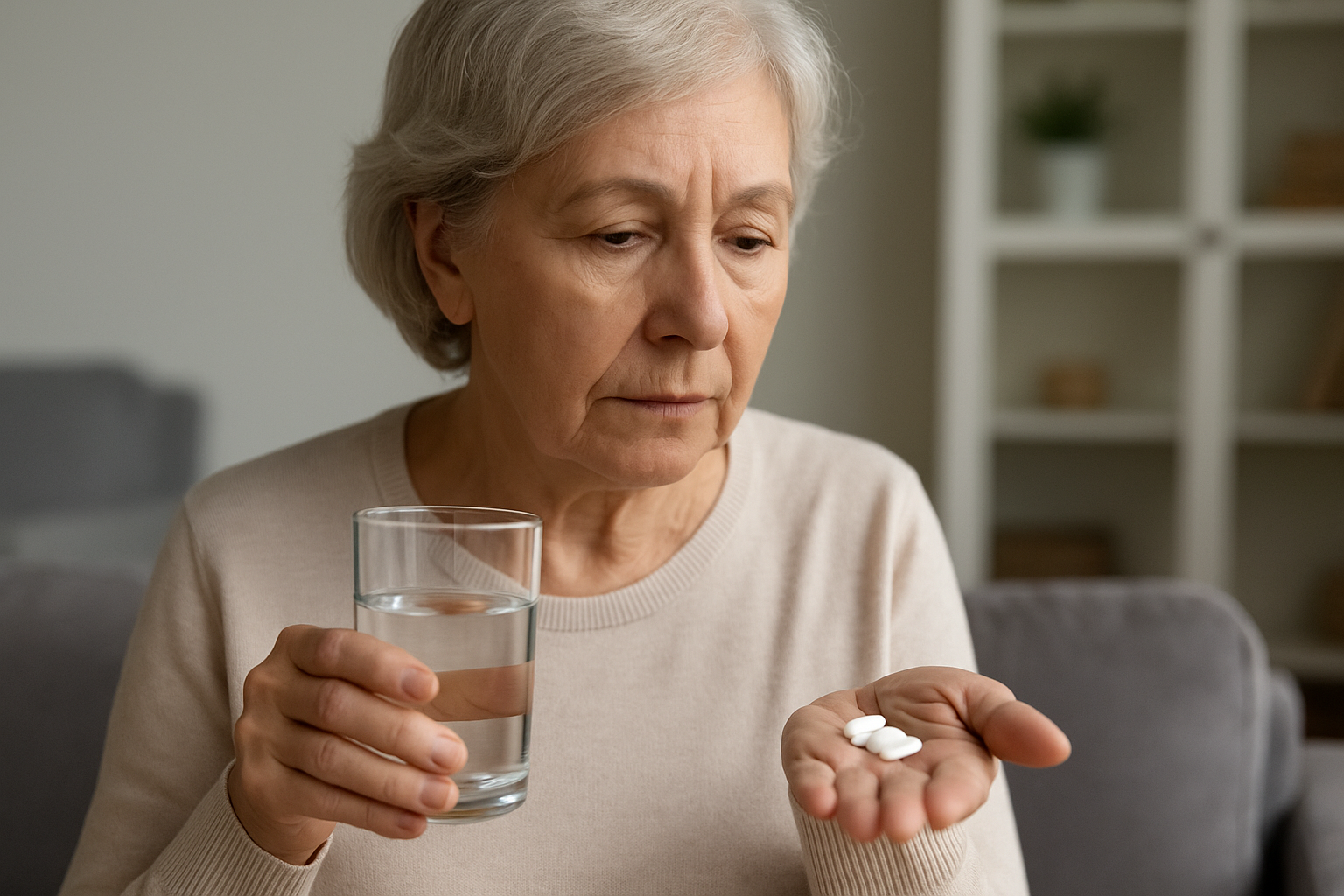
Understanding Antidepressants for Older Adults
Depression in older adults can be a complex and multifaceted issue, often requiring a nuanced approach to treatment. With age, the body undergoes various changes that can affect the way medications work. Therefore, choosing the right antidepressant becomes crucial in terms of effectiveness and safety. This guide explores the best options available in 2026, ensuring you are informed about the choices, effectiveness, and safety of antidepressants for older adults.
The Unique Challenges of Depression in Older Adults
Depression among older adults can often be overlooked, but it's a significant health concern affecting many areas of life. Common risks include:
- Age-related changes in metabolism, which can alter drug efficacy and safety
- Multiple medications for other health conditions, increasing the risk of interactions
- Differing symptom presentation compared to younger individuals
As of 2026, about 15% of adults aged 65 and over are affected by depression, necessitating careful and informed treatment options.
Antidepressants Choices: What Works and Why?
Types of Antidepressants Commonly Used for Older Adults
When it comes to older adults, three main classes of antidepressants are commonly prescribed:
- Selective Serotonin Reuptake Inhibitors (SSRIs): Often the first line of treatment due to their safety profile.
- Serotonin and Norepinephrine Reuptake Inhibitors (SNRIs): Useful for those who do not respond to SSRIs.
- Tricyclic Antidepressants (TCAs): Effective but usually second-line treatment due to side effects in older adults.
Each type functions differently, but they all aim to correct the chemical imbalances that can contribute to depression.
Effectiveness of Antidepressants in Older Adults
Research from 2026 shows varying response rates to antidepressants among older adults, with SSRIs currently citing a 60-70% effectiveness rate in reducing symptoms. However, individual responses can differ, often requiring trial and adjustment. Factors influencing effectiveness include:
- Genetic factors influencing drug metabolism
- The presence of coexisting medical conditions (e.g., diabetes, heart disease)
- Possible interactions with other prescribed medications
Comprehensive evaluations and ongoing monitoring by healthcare providers are essential for optimizing antidepressant therapy in older adults.
Safety Considerations and Side Effects
Potential Side Effects of Antidepressants in Older Adults
Common side effects among older adults taking antidepressants may include:
- Nausea and digestive issues
- Increased risk of falls due to dizziness or hypotension
- Weight gain or loss
- Potential for increased suicidal thoughts in some individuals
It's crucial for patients to communicate any side effects to their healthcare providers promptly to adjust medications if necessary.
Medication Interactions and Contraindications
Older adults often take multiple medications, raising the risk of interactions that can lead to serious health issues. According to research, about 40% of older adults on multiple drugs experience at least one adverse drug interaction. Specific areas of concern include:
- Blood pressure medications, which can interact unfavorably with certain antidepressants
- Increased bleeding risks when combined with anticoagulants
- Bone density concerns in conjunction with corticosteroids
Regular medication reviews and clear communication with healthcare providers are essential to manage these risks.
Making Informed Treatment Decisions
Collaborative Care and Monitoring
Collaborative care involving doctors, mental health specialists, and caregivers is vital for effective management of depression in older adults. Routine follow-ups help to adjust treatment plans and minimize side effects, while also providing educational support to patients and families.
Non-Pharmacological Approaches
Complementary treatments play an important role, including:
- Cognitive behavioral therapy (CBT), which recent studies show can enhance the effectiveness of medication
- Exercise and physical activity, proven to boost mood and combat symptoms of depression
- Mindfulness and relaxation techniques to reduce stress and improve overall well-being
Such approaches are often effective when used alongside medication, offering a well-rounded strategy for managing depression.
Conclusion
Choosing the right antidepressant for older adults involves careful consideration of effectiveness, safety, and the individual’s unique health profile. It's a decision that benefits greatly from open dialogue with healthcare providers, thorough education, and the support of loved ones. With informed choices, older adults can achieve better outcomes, improved quality of life, and safety in managing depression.
For further insights, please refer to detailed resources from reputable organizations like the World Health Organization and Current Clinical Studies.
References:
https://www.apa.org/depression-guideline/older-adults
https://bcmj.org/articles/geriatric-depression-use-antidepressants-elderly