Exploring Safe and Effective Treatment Options for Colitis
Discover the most effective ways to manage colitis symptoms! Explore a range of treatment options for colitis, from dietary changes to innovative therapies, each offering its unique benefits.
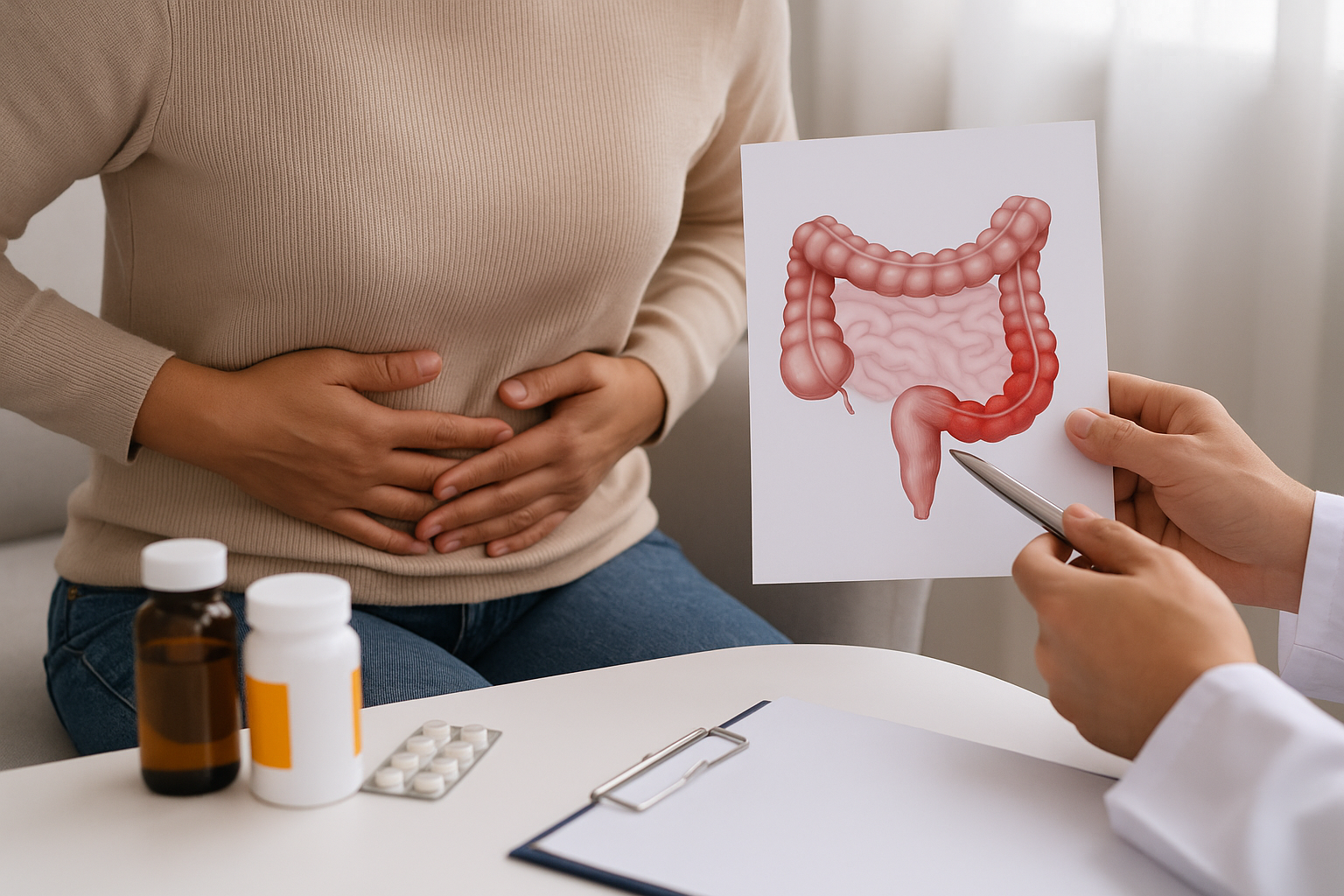
Understanding Colitis: An Overview
Colitis is a condition characterized by inflammation of the colon, which can cause significant discomfort and impact daily life. This ailment can arise due to various reasons, including infections, inflammatory bowel disease, and ischemic colitis. With advances in medical science, there are now numerous effective treatments available to manage colitis, ensuring those affected can find relief and lead a healthy life.
Effective Treatments for Colitis: What Are the Options?
Medical Treatments
Most medical treatments aim to reduce inflammation and manage symptoms. Here are some commonly used medications:
- Aminosalicylates: These anti-inflammatory drugs, such as mesalamine, are often the first line of treatment, particularly for ulcerative colitis.
- Corticosteroids: Prednisone and other steroids are used for flare-ups due to their powerful anti-inflammatory properties, but they are not suitable for long-term use due to side effects.
- Immunomodulators: Drugs like azathioprine help regulate the immune system to reduce inflammation.
- Biologics: These are newer agents like infliximab that target specific parts of the immune response, providing relief where other medications may not suffice.
Dietary Adjustments
The management of colitis often involves dietary modifications to alleviate symptoms. Here are some strategies:
- Low Residue Diet: Reducing fiber intake can help lessen bowel movements and abdominal cramping during flare-ups.
- Avoiding Trigger Foods: Identifying and eliminating foods that exacerbate symptoms like dairy or spicy foods can be beneficial.
- Hydration: Ensuring adequate fluid intake is critical, especially during episodes of diarrhea to prevent dehydration.
Lifestyle Modifications and Complementary Therapies
Lifestyle changes can also have a significant impact on managing colitis symptoms and improving overall well-being:
- Stress Management: Practices such as yoga, meditation, and breathing exercises can help reduce stress, which is known to trigger flare-ups.
- Regular Exercise: Moderate exercise can improve gut health and reduce inflammation.
- Probiotic Supplements: Certain probiotics may improve gut flora balance, alleviating symptoms for some individuals.
Innovative Research and Future Directions
Research into colitis treatments is ongoing, with promising results from various recent studies. As of 2026, advancements in genetic research and personalized medicine offer potential new treatment pathways. For example, studies are investigating the microbiome's role in colitis, aiming to develop probiotics or fecal transplants as viable treatments. Current clinical trials are also exploring novel biologic agents that specifically target inflammatory pathways more effectively.
For more details on recent studies, resources like the National Center for Biotechnology Information (NCBI) and Crohn's & Colitis Foundation provide updated research articles and findings.
Conclusion: Personalizing Treatment Plans
The treatment for colitis is highly individualized, based on the cause, severity of the disease, and patient-specific factors. Working closely with healthcare providers ensures that individuals receive the most suitable combination of treatments. Regular follow-ups and monitoring are vital to assess the effectiveness of treatment and make necessary adjustments.
As we continue to understand more about the underlying mechanisms of colitis, the future holds much promise for even more effective treatments tailored to each individual's needs.