Exploring South Carolina: Discover the Top 5 Hidden Gems You Can't Miss
Discover the rich tapestry of experiences waiting for you in South Carolina with our 'Top 5 Hidden Gems'. This guide unveils lesser-known attractions that promise intrigue and charm, perfect for anyone looking to explore beyond the usual sights.
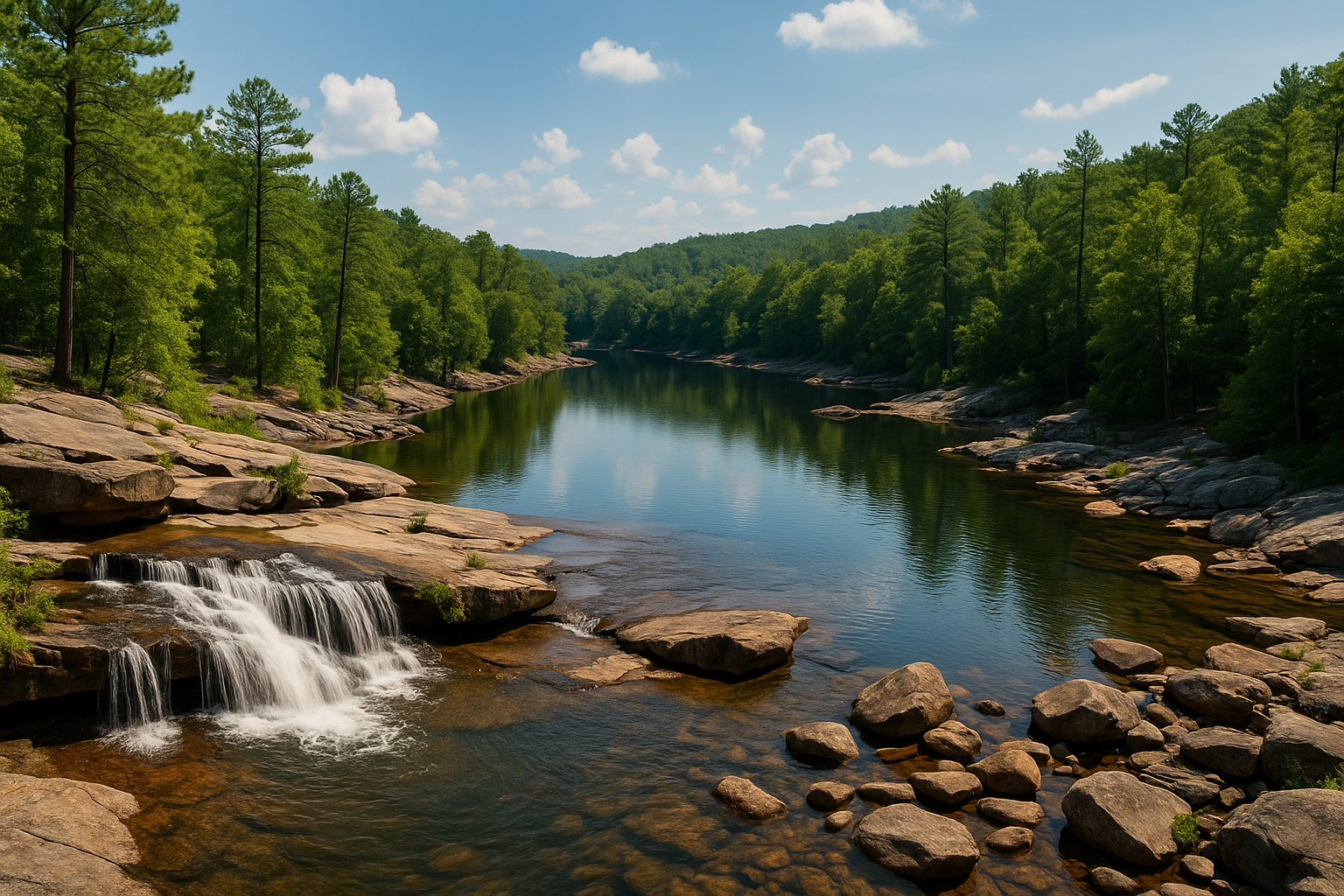
Exploring South Carolina’s Hidden Gems: A Journey Through the Lesser-Known Wonders
South Carolina is a treasure trove of history, culture, and natural beauty. While locations like Charleston and Myrtle Beach often steal the spotlight, the state is home to numerous hidden gems that offer unique experiences away from the bustling crowds. This article dives into five such destinations that promise a mix of adventure, serenity, and discovery.
1. Congaree National Park
Nestled in the heart of South Carolina, Congaree National Park is a haven for nature enthusiasts. It boasts one of the largest intact expanses of old-growth bottomland hardwood forest in the southeastern United States.
- Unique Flora and Fauna: This national park is famous for its giant hardwood trees and diverse wildlife. Visitors often encounter deer, wild boar, and a variety of bird species.
- Activities: Canoeing the marked paths of the Congaree River or hiking the Boardwalk Loop Trail are popular ways to explore the park.
- Visitor Information: The park is open 24 hours, every day of the year, and entrance is free. Guided tours are available regularly.
2. The Angel Oak Tree
Located just outside of Charleston, the Angel Oak Tree is a majestic, ancient live oak estimated to be around 400–500 years old. Its sprawling branches and mystical appearance make it a must-visit.
- Historical Significance: This tree is an iconic symbol of the southern United States and represents endurance and resilience.
- Visitor Tips: To capture the best photographs, visit during the early morning hours when the park is less crowded.
- Conservation Efforts: Ongoing preservation projects ensure the tree remains healthy and protected from environmental stresses.
3. Caw Caw Interpretive Center
Caw Caw Interpretive Center is a nature lover's paradise with a rich history linked to rice plantations and the African-American experience during the colonial era.
- Wildlife Watching: The center is a designated site on the North American Birdwatching Trail and offers a chance to see alligators and rare bird species such as the yellow-crowned night heron.
- Educational Programs: Engage in various programs that cover topics from botany to the history of the Lowcountry.
- Latest Developments (2026): According to a 2026 report by the South Carolina Parks Department, visitor centers have been upgraded with new technology for interactive learning (source).
4. Brookgreen Gardens
Combining art, history, and nature, Brookgreen Gardens is not just a garden but a living museum. Located south of Myrtle Beach, it hosts an exceptional collection of sculpture and floral beauty.
- Sculpture Collection: The gardens feature over 2,000 works spanning the 19th and 20th centuries, making it one of the largest outdoor sculpture collections in the country.
- Garden Highlights: Visitors can explore themed gardens such as the Butterfly Garden and the Palmetto Garden, each offering a unique horticultural experience.
- Annual Events: Events like the Nights of a Thousand Candles offer a mesmerizing display of lights and music, drawing crowds from across the country.
The gardens were recognized in 2026 by the American Public Gardens Association for outstanding horticultural displays (source).
5. The Cotton Museum in Bishopville
The South Carolina Cotton Museum in Bishopville provides a deep dive into the agricultural history of the region, crucial for understanding both local history and the broader economic development of the southern United States.
- Exhibits: Explore interactive displays showcasing the history of cotton farming, from its role in the economy to advancements in agricultural technology.
- Educational Opportunities: Workshops and lectures are offered throughout the year, targeting all age groups and focusing on agricultural science and history.
- Current Initiatives (2026): The museum has partnered with local schools to incorporate innovative learning modules as part of the STEM education movement (source).
Conclusion
South Carolina offers a rich tapestry of attractions that extend beyond its most famous cities and beaches. From exploring ecologically significant forests to uncovering historical narratives in museums, the state encourages visitors to dive deeper into its wondrous offerings. These hidden gems not only showcase the natural beauty and history of South Carolina but also highlight efforts towards preservation and education in 2026. Whether you're planning a short visit or a more extended exploration, these locations provide enriching experiences that promise to captivate and inspire.