Exploring Stair Lift Solutions for Safe and Easy Basement Access
Looking for the best stair lift options for your basement stairs? Discover a range of solutions designed to adapt to various basement staircases, offering both convenience and safety. Explore different stair lift models, features, and benefits without any overpromising.
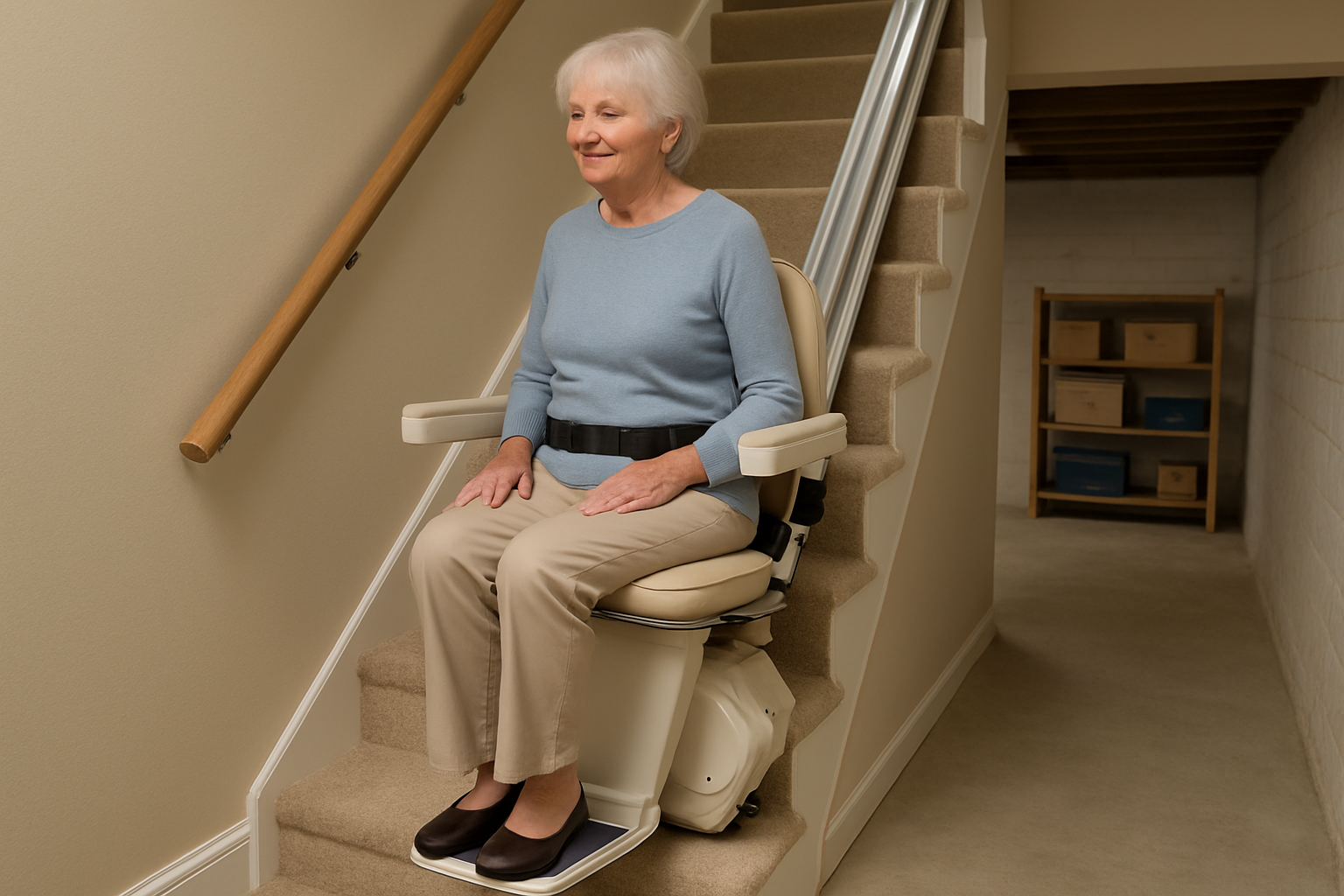
Understanding Stair Lift Options for Basement Stairs
Stair lifts are a game-changer for individuals with mobility issues. They provide a safe and reliable way to navigate stairs without the risk of falling. If you're considering installing a stair lift on your basement stairs, understanding your options is crucial. This article will guide you through the available choices, key considerations, and help you make an informed decision.
Why Choose a Stair Lift for Basement Stairs?
The basement is often one of the most challenging areas of a home to access, especially for people with mobility challenges. Stair lifts provide several benefits including:
- Increased Independence: Reduces reliance on others for mobility and access to different parts of the home.
- Safety: Minimizes the risk of falls on stairs, which are a significant hazard in homes.
- Comfort: Provides a comfortable way to ascend and descend stairs without physical exertion.
Types of Stair Lifts for Basement Stairs
When it comes to stair lifts for basement stairs, the main types include straight stair lifts, curved stair lifts, and outdoor stair lifts. Each type has unique features suited for different stair configurations.
Straight Stair Lifts
Straight stair lifts are designed for stairs with no curves or bends. They are typically more cost-effective and easier to install compared to curved models. If your basement stairs are straight, this could be the most suitable option.
Example: The Handicare 1100 is a popular choice known for its compact design and ease of use, starting at approximately $2,500.
Curved Stair Lifts
For staircases with curves, landings, or intermediate platforms, curved stair lifts are required. These are custom-made to fit the precise dimensions of the staircase, offering seamless handling around bends.
Example: Companies like Acorn Stairlifts offer customizable curved options. Due to their bespoke nature, prices generally start from $8,000.
Outdoor Stair Lifts
If your basement access is from outside, consider an outdoor stair lift. These are designed to withstand weather conditions like rain and extreme temperatures.
Consideration: Ensure the lift is weatherproof and inquire about warranties specific to weather-related damages.
Key Considerations When Choosing a Stair Lift
Choosing the right stair lift involves several considerations. Matching the features of the stair lift with your specific needs ensures both functionality and user satisfaction.
Weight Capacity and Seat Size
Most stair lifts are designed to carry a certain maximum weight. Standard models generally carry up to 300 lbs, but higher-capacity options are available. Also, consider the width of the seat, especially for narrow staircases.
Power Source
Stair lifts can be powered by AC current or DC batteries. Battery-powered lifts continue to work during power outages, offering greater peace of mind in areas prone to such occurrences.
Safety Features
Modern stair lifts come equipped with safety belts, obstruction sensors, and swivel seats to ensure users can confidently and safely operate them without risk.
Installation and Maintenance
Professional installation is recommended for stair lifts to ensure they function correctly and safely. Maintenance typically includes routine checks and servicing every 6 to 12 months.
Cost Factor: The initial installation cost for a straight stair lift ranges from $500 to $1,500, while curved models can be more due to their complexity. Regular maintenance contracts often run between $150 to $300 annually.
Financial Assistance and Insurance
Cost remains a significant consideration. Fortunately, there are several options to offset the financial burden, including insurance and grants.
- Medicare/Medicaid: These do not typically cover stair lifts, but some State programs might provide assistance.
- Veterans Affairs: If you are a veteran, you might be eligible for programs offering financial assistance for stair lift installation.
- Local Grants: Many states have programs offering grants or low-interest loans to help seniors and disabled individuals modify their homes.
Conclusion
Deciding on the best stair lift for your basement stairs requires careful consideration of your home’s layout and personal needs. By understanding the types of stair lifts available, their features, and how they align with your requirements, you can make an informed choice that enhances accessibility and improves daily living. For further assistance, contact local stair lift providers who can offer tailored advice and estimates.