Exploring the Allure and Debates Surrounding Liberty University
Liberty University is renowned for its unique blend of academic rigor and spiritual principles, making it a top choice for many. However, this popularity is matched by an equal measure of controversy, sparking debates around its policies and influence.
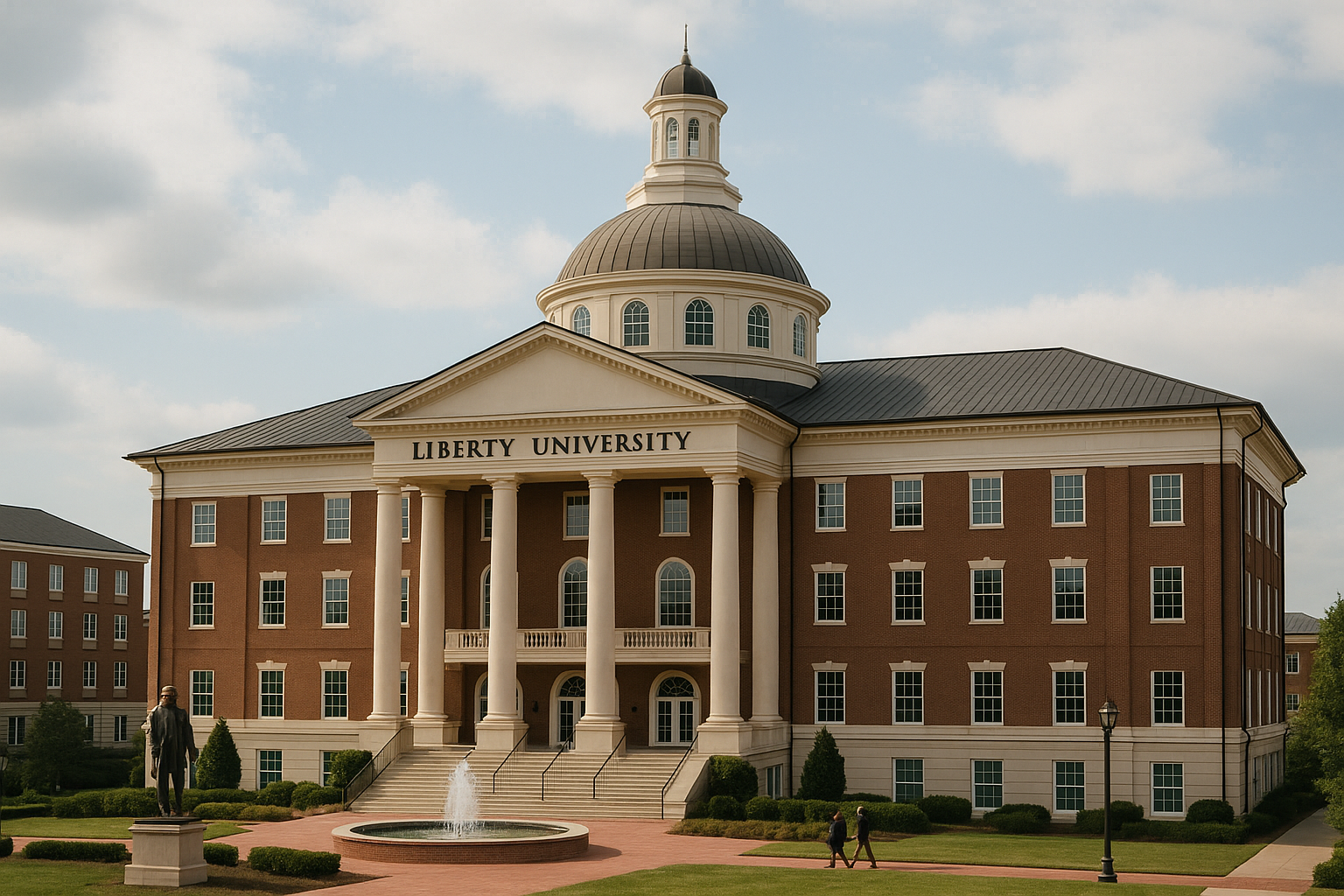
Understanding Liberty University's Popularity and Controversy
Liberty University stands out as a prominent fixture in the realm of higher education, particularly among institutions with a Christian foundation. Founded in 1971 by Jerry Falwell Sr., its mission was initially oriented around training Champions for Christ. Today, Liberty University is recognized not only for its expansive online education offerings but also for its distinct stance on several social and political issues.
Why Is Liberty University So Popular?
The popularity of Liberty University has surged over the years, attributable to several key factors that appeal to a broad audience, including students seeking a faith-based education tailored to modern academic and professional requirements.
- Online Education: Liberty University is the largest Christian university in the world and one of the largest private non-profit universities in the United States, largely due to its extensive online education program. Offering over 450 online degrees, Liberty has catered to students who require flexible learning schedules. According to a 2026 report from the National Center for Education Statistics, the online education sector is expected to grow by 9.2%, reflecting Liberty's continuing alignment with educational trends.
- Campus Facilities and Activities: The university offers a robust on-campus experience with state-of-the-art facilities, including a snowboarding complex, top-tier sports teams, and numerous student organizations, all of which reinforce its appeal. Its commitment to creating a vibrant university experience includes extensive service projects and mission trips, attracting students interested in community involvement and leadership opportunities.
- Community and Values: Liberty is renowned for its strong community ethos centered around Christian values, making it attractive to students seeking a moral and ethical educational environment.
What Makes Liberty University Controversial?
Despite its popularity, Liberty University is not without controversy. It has been subject to scrutiny and debates over various aspects, mainly relating to its administration and policies.
- Political Connections and Influence: Liberty University has often been in the spotlight due to its leadership's close ties to conservative politics in the United States. This association has drawn both endorsements from figures in the Republican party and criticisms, polarizing public opinion. In the 2024 election cycle analysis by Politico, the institution's influence was seen as significantly shaping conservative youth engagement.
- Administrative Controversies: Over the years, leadership changes and administrative decisions have attracted controversy. A prominent example was the resignation of Jerry Falwell Jr. in 2020 amid personal scandals, which raised questions about governance and oversight within the institution.
- Social Policies: Liberty has been known for its strict code of conduct, which includes prohibitions on alcohol, certain personal lifestyles, and curtailing political expressions that don’t align with its values, fostering debate about the role and degree of control that a university should exert over its students' personal lives.
Balancing Success and Challenges
Navigating the debate between popularity and controversy is crucial for understanding Liberty University’s role in higher education. The university's growth trajectory has exemplified how a faith-based institution can thrive yet simultaneously invite challenges.
Furthermore, constant adaptation has become apparent with new leadership approaches emphasizing transparency and inclusivity. An article released by Inside Higher Ed in 2026 discusses Liberty's efforts to diversify its academic programs by including modern technological and scientific fields to appeal to a broader demographic, indicating a strategic expansion that attempts balancing its foundational beliefs with contemporary needs.
The Future Outlook for Liberty University
Looking forward, Liberty University's ambition to sustain its growth while addressing internal and external challenges will shape its future. The evolving landscape of higher education necessitates strategies that align with students' changing priorities, societal demands, and global educational standards.
Liberty is also increasingly focusing on enhancing its research capabilities, investing in STEM disciplines, and increasing its academic partnerships globally, as reported in the 2026 Global Education Initiative Report. These efforts aim to maintain its competitive edge and secure its place as a leading institution within the Christian educational community.
Conclusion: Navigating the Crossroads of Tradition and Modernity
Liberty University remains a fascinating case study of how tradition-based educational institutions can manage relevancy while facing criticism. Its ability to attract students and maintain a strong community underlines the importance of values-based education in today's fast-paced world. However, its controversial aspects continue to challenge its leadership and stakeholder perception, requiring constant reassessment and strategic foresight.
As Liberty University moves forward, its pathway will likely involve blending its historical mission with innovative practices that uphold credibility, create leaders, and genuinely contribute to its community and beyond. This dynamic balance may ultimately determine its standing within the broader realm of higher education.