Exploring the Anticipation: Will the Google Pixel 11 Be Your Next Smartphone Choice?
Thinking about making the Google Pixel 11 your next phone? Even with its release far on the horizon, the rumor mill is already churning with exciting possibilities.
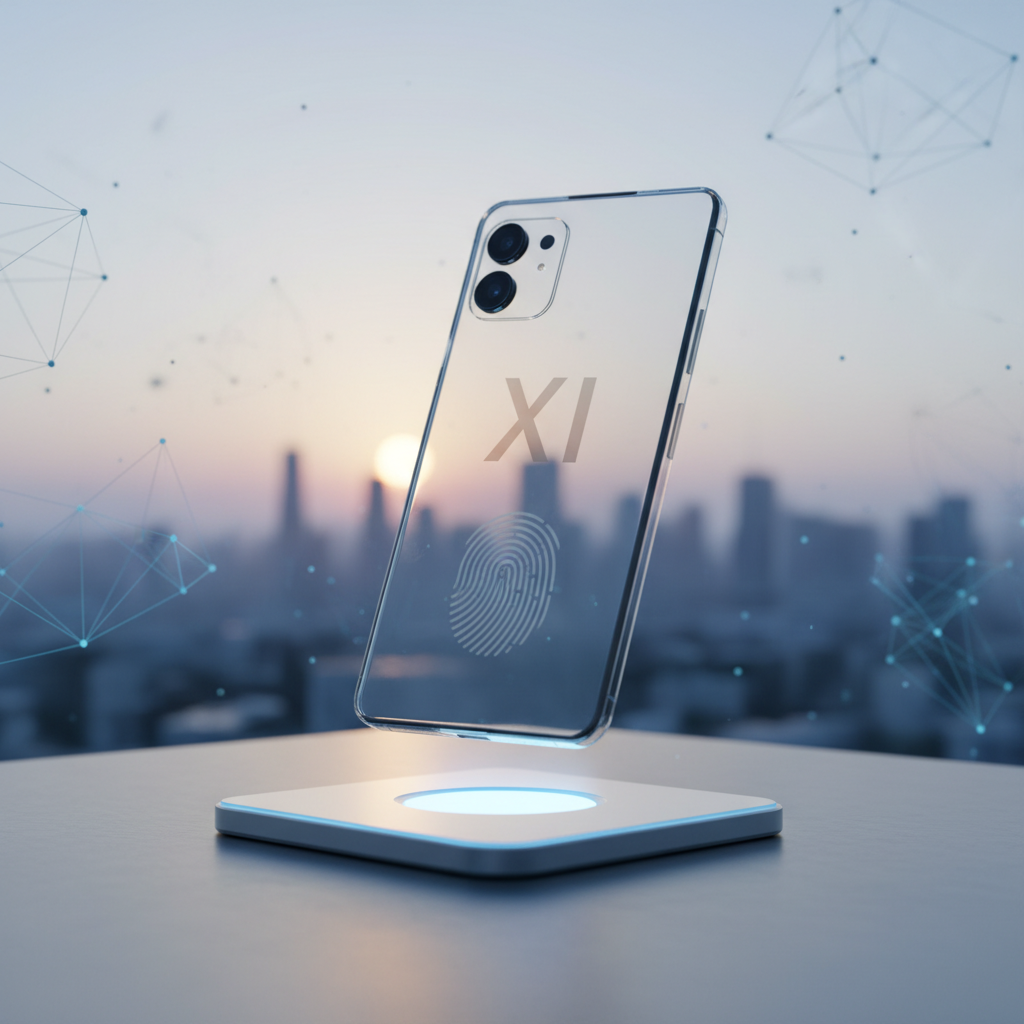
Will You Buy The Next Google Pixel 11? A Look at What to Expect
The Google Pixel series has carved out a unique space in the crowded smartphone market, not by chasing the highest specs, but by offering a smarter, more intuitive user experience powered by Google's software and AI prowess. With each new release, anticipation builds around what new innovations Google will bring to the table. As we look ahead to the potential launch of the Google Pixel 11, it's the perfect time to explore the rumored features, expected upgrades, and the core philosophy that might shape Google's next flagship phone.
While official details remain under wraps, we can make educated predictions based on industry trends, Google's technological advancements, and the evolution of the Pixel line. Let's dive into the key areas where the Pixel 11 could shine and what these potential upgrades might mean for you.
Key Upgrades We Hope to See in the Google Pixel 11
Next-Generation Tensor G5 Chip
The heart of any Pixel phone is its custom-designed Tensor chip. We can expect the Pixel 11 to feature the next iteration, likely called the Tensor G5. Google's focus with Tensor has never been about raw benchmark scores that compete with Apple's A-series or Qualcomm's top-tier Snapdragon chips. Instead, Google designs its silicon to accelerate machine learning and artificial intelligence tasks. This is the magic behind features like real-time translation, Magic Eraser, and sophisticated call screening.
For the Tensor G5, we anticipate a significant leap in AI and machine learning performance. This could unlock even more powerful on-device AI capabilities, making the phone faster and more responsive for tasks like photo editing, voice transcription, and predictive assistance. It could also bring substantial improvements in power efficiency, leading to better battery life—a critical area for any modern smartphone user. Expect Google to continue its partnership with Samsung for manufacturing, but with refinements that boost both performance and thermal management.
A Revolution in Computational Photography
Pixel phones are legendary for their camera capabilities, often producing stunning photos that rival or even surpass more expensive competitors. This is largely thanks to Google's mastery of computational photography—using software to enhance images far beyond what the hardware alone could capture. The Pixel 11 is expected to push these boundaries even further. While hardware upgrades like a larger primary sensor or improved telephoto lens are possible, the real excitement lies in the software.
We could see the introduction of new AI-powered editing tools that are even more advanced than the current Magic Editor. Imagine features that can intelligently improve video quality in real-time, reduce grain in low-light video, or even create entirely new cinematic effects with a single tap. The phone might also feature an enhanced Night Sight mode that captures detail and color in near-darkness with even greater clarity and speed. The front-facing camera could also see an upgrade, with better autofocus and software enhancements for sharper, more natural-looking selfies and video calls.
Advanced On-Device AI and Gemini Integration
Google is an AI-first company, and the Pixel 11 will undoubtedly be a showcase for its latest advancements. We expect a much deeper and more seamless integration of Google's powerful AI model, Gemini. Instead of just being an app, Gemini's capabilities could be woven into the very fabric of the Android operating system on the Pixel 11. This could manifest as a more proactive and context-aware Google Assistant that can understand complex, multi-step commands and anticipate your needs before you even ask.
Think of an OS that can automatically summarize long emails, draft replies in your writing style, or help you plan a trip by pulling information from your calendar, maps, and messages. These on-device AI features would not only be incredibly useful but also more private and faster, as they wouldn't need to constantly send data to the cloud. This deeper AI integration could be the Pixel 11's killer feature, setting it apart from every other phone on the market.
Refined Design and a Smarter Display
While Google's design language has become more consistent in recent years with the signature camera bar, we can expect subtle refinements for the Pixel 11. This might include slimmer bezels, a more comfortable grip, and new premium materials or color options. The focus will likely be on creating a device that feels both durable and elegant in the hand. Durability could be improved with the latest Gorilla Glass for enhanced scratch and drop protection.
The display itself is another area ripe for an upgrade. While recent Pixels have featured excellent OLED panels, the Pixel 11 could introduce a brighter screen with better peak brightness for superior outdoor visibility. We may also see the adoption of more advanced LTPO technology, allowing the screen's refresh rate to vary more dynamically, perhaps from 1Hz to 120Hz or even higher. This would result in incredibly smooth scrolling when needed while conserving significant battery life when viewing static content like photos or reading an article.
Battery Life and Charging Enhancements
One of the most persistent requests from Pixel users has been for better battery life and faster charging. The combination of a more efficient Tensor G5 chip and a smarter display could lead to significant gains in endurance. However, Google may also increase the physical battery capacity in the Pixel 11 and its Pro counterpart to ensure true all-day, or even two-day, usage for many users.
On the charging front, we hope to see Google adopt faster wired and wireless charging standards. While the company has historically been conservative in this area to preserve long-term battery health, an increase to speeds that are more competitive with other flagship phones would be a welcome improvement. Faster charging, combined with better battery life, would address a key pain point and make the Pixel 11 a more reliable daily companion.
The Journey of the Google Pixel: From Nexus to AI Powerhouse
To understand where the Pixel 11 might be heading, it’s helpful to look at its origins. Before the Pixel, Google partnered with various manufacturers for its Nexus program. Nexus phones were beloved by enthusiasts for their pure, bloat-free Android experience and developer-friendly nature. However, they were never mainstream consumer devices. With the launch of the first Pixel in 2016, Google took control of both the hardware and software, creating a device that was "Made by Google" from the ground up.
The early Pixel phones established Google's leadership in mobile photography, using a single lens and powerful software to outperform dual-camera systems of the time. The introduction of the custom Tensor chip in the Pixel 6 marked the next major turning point. It signaled Google's long-term commitment to building a phone centered around its AI strengths. This shift has defined the modern Pixel, making it less about the spec sheet and more about the helpful, intelligent experiences it can provide. The Pixel 11 will be the next chapter in this AI-driven story, building on a legacy of software innovation.
Common Questions About the Google Pixel Line
How Does Google's Tensor Chip Compare to Snapdragon?
This is a frequent point of discussion. In terms of raw processing power and gaming performance benchmarks, the top-tier Qualcomm Snapdragon chips often outperform Google's Tensor chips. If your primary concern is playing the most graphically intensive games at the highest possible frame rates, a Snapdragon-powered gaming phone might be a better fit. However, that comparison misses the point of Tensor.
Google designs Tensor specifically to accelerate the AI and machine learning tasks that define the Pixel experience. Features like the incredibly fast and accurate voice dictation, Call Screen, Magic Eraser, and real-time translation run exceptionally well because the chip is custom-built for them. So, while a Snapdragon chip might be a better "all-around" athlete, the Tensor chip is a highly specialized expert, making the Pixel phone smarter and more helpful in everyday use.
What is Google's Software Support Policy for Pixel Phones?
This is one of the strongest selling points for the Pixel series. With the Pixel 8 and 8 Pro, Google made an industry-leading commitment to provide seven years of OS upgrades, security updates, and regular Feature Drops. This means a phone purchased today will still be receiving major software updates and new features well into the next decade.
This long-term support is a significant advantage over many other Android manufacturers, who typically offer only three to four years of updates. It ensures your device stays secure and continues to get better over time, adding tremendous value to your purchase. We fully expect Google to continue this seven-year promise with the launch of the Pixel 11, solidifying its position as the best-supported phone in the Android ecosystem.
Is It Worth Upgrading from an Older Pixel?
Whether an upgrade is worthwhile depends heavily on which model you currently own. If you're using a Pixel 6 or newer, you might not feel a compelling need to upgrade unless a specific new feature of the Pixel 11 is a must-have for you. These recent models are still very capable and will continue to be supported with software updates for years to come.
However, if you're coming from a Pixel 5 or an even older device, the jump to a Pixel 11 would be a monumental upgrade. You would experience a massive improvement in performance thanks to the modern Tensor chip, a significantly more advanced camera system, a brighter and smoother display, and all the latest AI-powered software features. The leap in overall speed, camera quality, and smart capabilities would be immediately noticeable and transformative.
Conclusion
The Google Pixel 11 is shaping up to be another exciting step forward in Google's vision for a truly helpful smartphone. While we await official announcements, the potential for a more powerful Tensor G5 chip, deeper Gemini AI integration, an even smarter camera system, and key quality-of-life improvements like better battery life is compelling. The decision to buy will ultimately come down to whether these potential advancements align with what you value most in a smartphone. For those who prioritize a clean software experience, cutting-edge AI features, and a world-class camera, the Pixel 11 will undoubtedly be a top contender to watch.
For more information on the current lineup of Pixel devices, you can visit the official Google Store.
To stay updated on the latest tech news and rumors, consider following reputable sources like The Verge.