Exploring the Benefits of Olive Oil for Skin Care
So, you're wondering if that bottle of olive oil in your kitchen is the secret to glowing skin? The short answer is yes, but it's not for everyone. We're breaking down the powerful benefits, the potential drawbacks (like clogged pores), and the right way to use it.
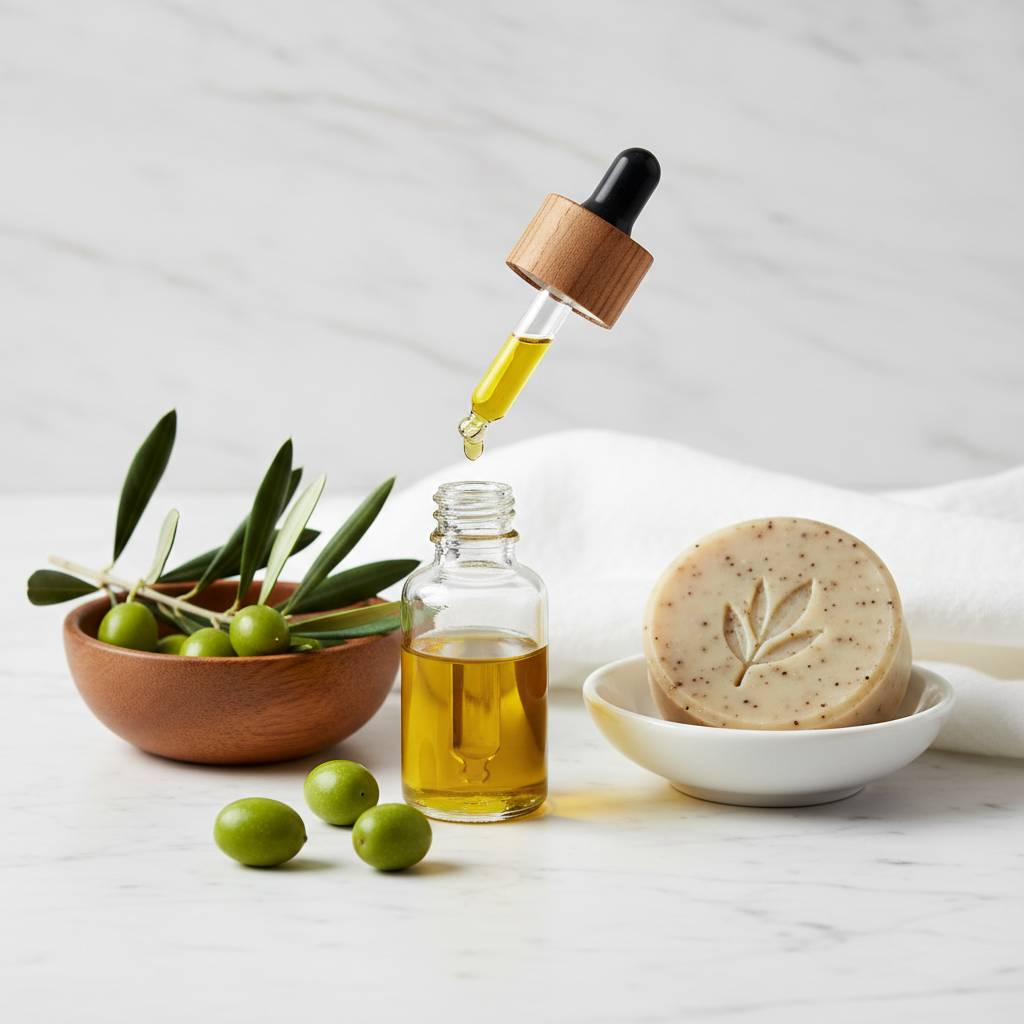
Is Olive Oil Good For Your Skin? A Comprehensive Guide
For centuries, olive oil has been a staple in kitchens and cultures around the Mediterranean, celebrated not just for its culinary uses but also for its remarkable health benefits. This "liquid gold," as Homer called it, has also found its way into beauty and skincare routines passed down through generations. But does this ancient remedy hold up to modern skincare standards? The answer is a resounding yes, with a few important caveats. Packed with vitamins, antioxidants, and healthy fats, olive oil can be a powerful, natural addition to your skincare arsenal. Let's explore the science-backed benefits and how you can use it effectively.
The Key Benefits of Olive Oil for Skin
The magic of olive oil lies in its rich composition. It’s more than just a simple oil; it's a complex substance loaded with compounds that can nourish, protect, and rejuvenate the skin. Here are some of the most significant benefits it offers.
1. Powerful Antioxidant Protection
One of the most praised benefits of olive oil is its potent antioxidant content. Our skin is constantly under attack from free radicals—unstable molecules generated by UV radiation, pollution, and other environmental stressors. These free radicals can damage skin cells, leading to premature aging, fine lines, wrinkles, and a loss of elasticity. Olive oil is rich in antioxidants like polyphenols, vitamin E, and phytosterols, which work to neutralize these harmful molecules.
When applied topically, these antioxidants help protect the skin's surface from oxidative stress. This protective action not only helps prevent the signs of aging but can also contribute to repairing existing damage. Think of it as a natural shield that supports your skin's long-term health and vitality, keeping it looking youthful and resilient against daily environmental aggressors.
2. Intense Moisturization and Hydration
If you struggle with dry, flaky, or dehydrated skin, olive oil can be an incredibly effective moisturizer. Its primary moisturizing power comes from its high concentration of fatty acids, particularly oleic acid, and a unique compound called squalene. Squalene is a lipid that our own skin cells produce naturally to hydrate and maintain the skin's barrier. However, our natural production of squalene declines as we age, leading to dryness.
By applying olive oil, you're replenishing the skin with a bio-compatible moisturizer that mimics its natural oils. It penetrates deeply to provide long-lasting hydration without feeling overly greasy when used correctly. This helps to lock in moisture, soften rough patches, and restore a smooth, supple texture to the skin, making it particularly beneficial for areas like elbows, knees, and heels.
3. Soothing Anti-Inflammatory Properties
Skin inflammation can manifest as redness, irritation, and sensitivity, often associated with conditions like eczema, psoriasis, or simple skin irritation. Olive oil contains a compound called oleocanthal, which has been shown to possess anti-inflammatory properties similar to ibuprofen. This natural compound can help calm and soothe irritated skin.
Applying a small amount of high-quality extra virgin olive oil to red or irritated areas can help reduce discomfort and promote healing. Its gentle nature makes it a suitable option for sensitive skin types looking for a natural way to manage minor inflammation and restore a sense of calm to their complexion.
4. A Gentle and Effective Makeup Remover
Many commercial makeup removers contain harsh chemicals, alcohol, and fragrances that can strip the skin of its natural oils, leading to dryness and irritation. Olive oil offers a simple, natural, and highly effective alternative. As a lipid, it is excellent at dissolving other oil-based substances, including stubborn waterproof mascara, long-wear foundation, and liquid lipstick.
To use it, simply apply a small amount to a cotton pad and gently wipe away makeup. It breaks down the cosmetics without harsh rubbing, leaving your skin feeling soft and nourished instead of tight and dry. This method is part of a technique known as "oil cleansing," which effectively cleanses the skin while maintaining its delicate moisture balance.
5. Potential Aid in Wound Healing
The vitamins and anti-inflammatory compounds in olive oil may also play a role in supporting the skin's natural healing process. It contains triterpenes, which have been observed in studies to aid in various biological reactions crucial for wound healing, such as cell migration and collagen deposition. These processes are essential for repairing damaged skin tissue.
While it shouldn't be applied to open or serious wounds without consulting a doctor, using olive oil on minor scrapes, cuts, or even on post-acne marks can help keep the area moisturized and protected. This supportive environment, combined with its antibacterial properties, may help the skin repair itself more efficiently and potentially reduce the appearance of scarring.
Understanding Different Types of Olive Oil for Skin Care
Not all olive oil you find on the grocery store shelf is created equal, especially when it comes to skincare. The processing method dramatically affects the oil's quality, purity, and concentration of beneficial compounds. Choosing the right type is crucial to reaping the full benefits for your skin.
Extra Virgin Olive Oil (EVOO)
This is the gold standard for both culinary and cosmetic use. Extra Virgin Olive Oil is produced from the first cold pressing of olives, without the use of chemicals or heat to extract the oil. This gentle process preserves the highest concentration of vitamins, antioxidants (like polyphenols), and anti-inflammatory compounds. When you're looking to apply olive oil to your skin, always choose a high-quality, cold-pressed, extra virgin olive oil. Its purity ensures you're getting the maximum therapeutic benefits without any unwanted additives.
Virgin Olive Oil
Virgin olive oil is also unrefined and produced without chemicals, but it comes from the second pressing of the olives. It still contains a good amount of nutrients but is considered slightly lower in quality than its "extra virgin" counterpart. The antioxidant levels and flavor profile are less intense. While it's still a decent option for skin if EVOO is unavailable, it won't be quite as potent.
Pure or Regular Olive Oil
Terms like "pure olive oil," "light olive oil," or simply "olive oil" usually refer to a product that has been chemically refined. This process involves heat and solvents to extract the oil, which strips away most of the beneficial vitamins, antioxidants, and anti-inflammatory properties. These oils are often a blend of refined olive oil and a small amount of virgin oil. They are not recommended for skincare, as they lack the very compounds that make olive oil beneficial for your complexion.
Important Considerations and Potential Downsides
While olive oil offers a wealth of benefits, it's not a one-size-fits-all solution. Understanding its potential drawbacks and how to use it correctly is key to a positive experience.
Can Olive Oil Clog Pores?
This is one of the most common concerns, and it's a valid one. Olive oil is considered moderately comedogenic, which means it has the potential to clog pores for some people. On a scale of 0 to 5 (with 5 being the most likely to clog pores), olive oil typically rates a 2. For individuals with very dry or mature skin, this is usually not an issue. However, those with oily or acne-prone skin should exercise caution.
If you have skin that is prone to breakouts, using olive oil as a leave-on moisturizer might lead to congestion and blemishes. A better approach for this skin type is to use it for the oil cleansing method. By massaging it into the skin and then thoroughly washing it away with a gentle, water-based cleanser, you get the cleansing and moisturizing benefits without leaving a pore-clogging residue behind.
How Do You Properly Use Olive Oil in a Skincare Routine?
Integrating olive oil effectively requires the right technique. First and foremost, always perform a patch test. Apply a small amount of oil to a discreet area of skin, like your inner arm, and wait 24-48 hours to see if any irritation occurs. Once you're clear, you can try one of these methods:
- As a Moisturizer: This works best for dry skin. After cleansing, while your skin is still slightly damp, warm a few drops of EVOO between your palms and gently press it into your skin. The dampness helps lock in hydration. A little goes a long way.
- As a Makeup Remover: Apply a small amount of oil onto a cotton pad or your fingertips and gently massage it over your face to dissolve makeup. Follow up with your regular cleanser to remove any oily residue.
- In a DIY Mask: For an extra boost of hydration, you can mix a teaspoon of olive oil with other natural ingredients like honey (for antibacterial properties) or mashed avocado (for more fatty acids). Apply the mask for 10-15 minutes before rinsing off.
Olive Oil vs. Other Popular Skincare Oils
How does olive oil stack up against other oils popular in skincare? Each has its own unique profile. Coconut oil is highly moisturizing but is also highly comedogenic (rating a 4), making it a riskier choice for anyone with acne-prone skin on the face, though it's great for the body. It has strong antimicrobial properties due to its lauric acid content.
Jojoba oil is another favorite, and its main advantage is that its chemical structure is remarkably similar to the skin's natural sebum. This makes it much less likely to clog pores (it has a comedogenic rating of 2, similar to olive oil) and helps balance oil production, making it suitable for a wider range of skin types, including oily and combination skin. While olive oil is richer in certain antioxidants like polyphenols, jojoba oil is often better tolerated by those with sensitive or breakout-prone complexions.
Conclusion: The Final Verdict
So, is olive oil good for your skin? For many people, especially those with dry, mature, or non-sensitive skin, it can be a fantastic natural tool for moisturizing, protecting, and soothing the skin. Its rich antioxidant and anti-inflammatory profile provides real, tangible benefits. However, its potential to clog pores means that individuals with oily or acne-prone skin should use it with caution, preferably as a wash-off cleanser rather than a leave-on moisturizer. The key is to choose a high-quality, extra virgin olive oil and always listen to your skin's unique needs.
Read more about the benefits of olive oil from trusted sources: