Exploring the Benefits of Recumbent Bikes for Seniors with Back and Knee Pain
Finding a comfortable and effective way to exercise with back or knee pain can feel like an uphill battle, which is why so many seniors are turning to recumbent bikes for relief.
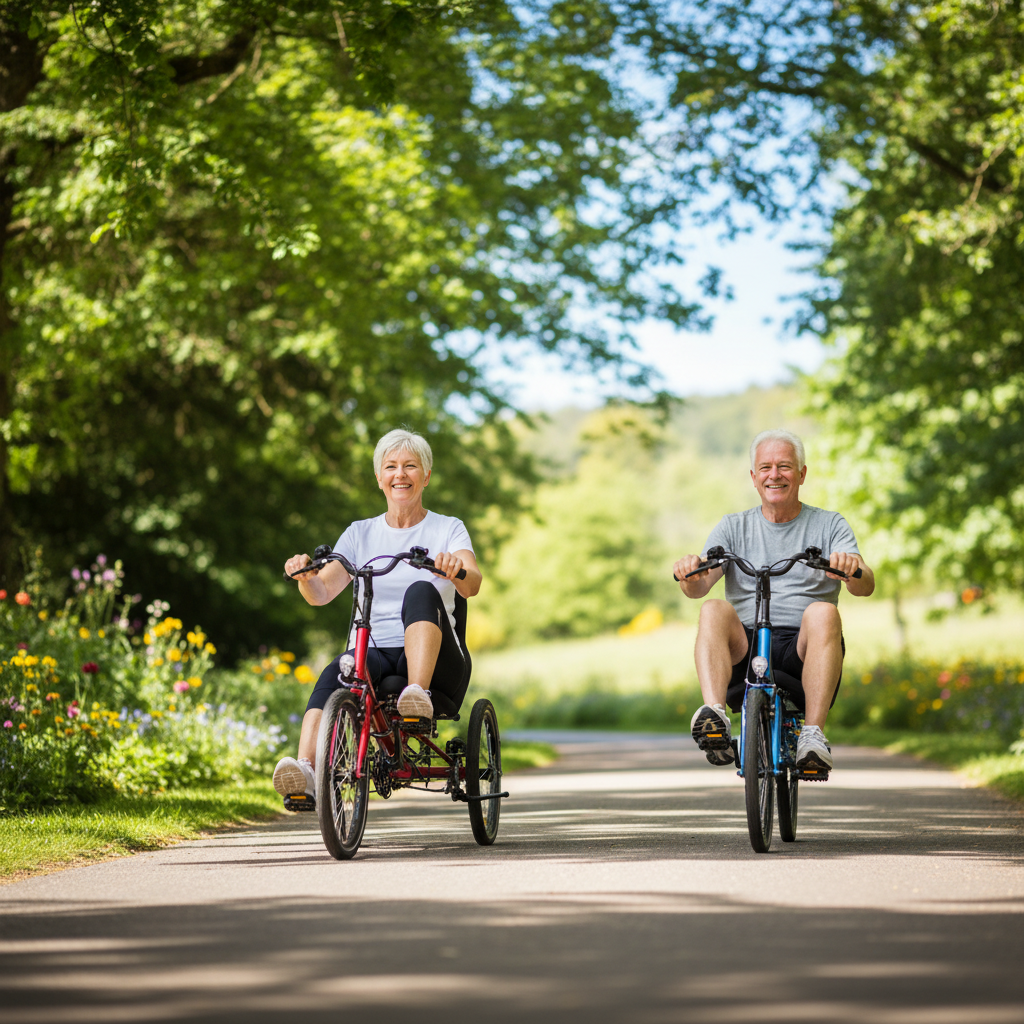
Key Reasons Recumbent Bikes Benefit Seniors with Joint and Back Issues
Staying active is crucial for healthy aging, but for many seniors, chronic back and knee pain can turn exercise into a daunting task. Traditional forms of cardio, like running or even using an upright stationary bike, can exacerbate these issues. This is where the recumbent bike shines, offering a unique combination of comfort, support, and effectiveness that makes it a go-to choice for older adults looking to maintain their fitness without compromising their joint health.
Unlike its upright counterpart, the recumbent bike allows the user to sit in a reclined position with their back fully supported. This fundamental design difference is the primary reason it's so beneficial for those with physical limitations. Let's explore the specific features and advantages that make this machine a popular and safe option.
1. Superior Lumbar Support and Spinal Alignment
One of the most immediate benefits of a recumbent bike is the large, comfortable seat with a full backrest, often referred to as a "chair-like" seat. For seniors with lower back pain, sciatica, or spinal stenosis, maintaining a neutral spine during exercise is critical. Upright bikes force the user to lean forward, which can place significant strain on the lumbar region and surrounding muscles. This hunched-over posture often leads to discomfort and can worsen existing back conditions over time.
The recumbent design completely eliminates this problem. The backrest provides robust support, allowing the user to sit comfortably and maintain proper posture throughout their workout. This support minimizes stress on the spinal column and reduces the muscular effort required to stay balanced, allowing the user to focus solely on the pedaling motion. This not only makes the exercise more comfortable but also significantly safer for individuals with delicate or injured backs.
2. Reduced Stress on Knee and Ankle Joints
Knee pain, often caused by arthritis or previous injuries, is a common barrier to exercise for seniors. High-impact activities like jogging are often out of the question, and even upright bikes can cause discomfort. On an upright bike, the rider's body weight is positioned directly over the pedals, which can place downward pressure on the knee and ankle joints with every rotation. This can lead to inflammation and pain, especially during longer workouts.
Recumbent bikes change this dynamic entirely. The rider's legs are positioned out in front of their body rather than directly underneath. This horizontal pedaling motion creates a more open angle at the knee joint, reducing the shear forces that can aggravate cartilage and ligaments. The movement is smooth and cyclical, promoting blood flow and synovial fluid circulation within the joint without the jarring impact or compressive stress. This makes it an ideal form of rehabilitation and conditioning for those with sensitive knees. For more information on exercises that are gentle on the joints, you can refer to resources from the Arthritis Foundation.
3. Enhanced Safety and Stability
Balance and stability can become a concern with age. The fear of falling is a significant deterrent to physical activity for many seniors. Upright bikes, with their high seats and narrow base, require a degree of balance and coordination to mount, use, and dismount safely. A moment of dizziness or a misstep can easily lead to a fall.
The recumbent bike's low-to-the-ground profile and wide, stable base make it exceptionally safe. The step-through design, common on many models, eliminates the need to lift a leg high over a frame, making it easy to get on and off. Once seated, the rider is in a secure, bucket-like seat, virtually eliminating the risk of falling. This built-in stability provides peace of mind, allowing seniors to exercise with confidence and focus on their fitness goals without worrying about potential accidents.
4. Improved Circulation and Cardiovascular Health
Despite its gentle nature, the recumbent bike provides an excellent cardiovascular workout. The reclined position can actually aid in circulation. Because the legs are elevated closer to the level of the heart, the body doesn't have to work as hard to pump blood back from the lower extremities. This can lead to a more efficient workout with less cardiovascular strain, which is a significant advantage for older adults or those with heart conditions.
Regular use of a recumbent bike helps strengthen the heart, improve lung capacity, and lower blood pressure. Since the exercise is comfortable and pain-free, users are more likely to stick with it consistently, leading to long-term health benefits. The ability to easily adjust resistance levels allows for a workout that is perfectly tailored to an individual's fitness level, from a gentle warm-up to a more challenging cardio session.
5. Accessibility and Ease of Use
The overall design of a recumbent bike is inherently user-friendly. The controls are typically straightforward, the seat is easy to adjust, and the barrier to entry is extremely low. This accessibility encourages regular use, which is the cornerstone of any successful fitness regimen. Users don't need special skills or a high level of fitness to get started.
Furthermore, the comfortable seating position allows for longer workouts. While someone with back pain might only last ten minutes on an upright bike, they may be able to comfortably pedal for thirty minutes or more on a recumbent bike. This increased duration translates directly into more calories burned, improved endurance, and greater overall health benefits without the associated pain or discomfort.