Exploring the Benefits of Vaseline for Managing Ichthyosis Vulgaris
It's a common question for anyone managing ichthyosis vulgaris: can that simple jar of Vaseline actually help? While it's a powerful occlusive that can lock in moisture, the answer isn't a straightforward yes.
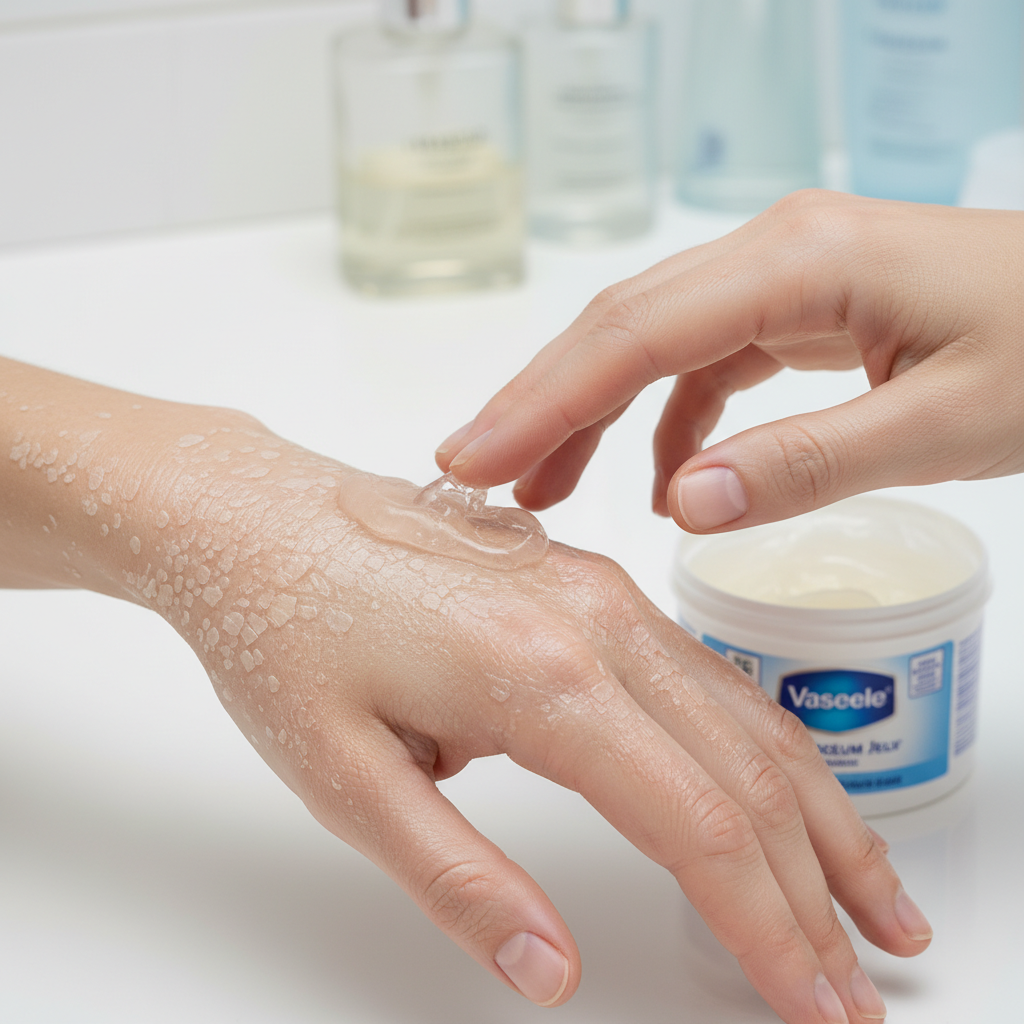
Managing ichthyosis vulgaris, a genetic skin condition characterized by dry, scaly skin, often involves a consistent and effective moisturizing routine. Among the countless products available, one of the most common and accessible is Vaseline, or petroleum jelly. But is this simple, old-fashioned remedy truly effective for a complex condition like ichthyosis vulgaris? The answer, for many, is a resounding yes. Let's explore why Vaseline is often a cornerstone of care for this condition.
The Role of Occlusives in Managing Ichthyosis Vulgaris
To understand why Vaseline works, it's important to first understand the concept of an occlusive moisturizer. The skin has a natural barrier, often called the moisture barrier or lipid barrier, which is responsible for keeping water in and irritants out. In ichthyosis vulgaris, this barrier is compromised due to a genetic mutation that affects the production of the protein filaggrin, which is crucial for barrier function.
Occlusive agents work by forming a physical, waterproof barrier on the surface of the skin. This barrier does two critical things: it prevents transepidermal water loss (TEWL), which is the process of water evaporating from the skin, and it protects the compromised skin from external irritants. By trapping existing moisture, occlusives help the skin to rehydrate itself from within.
How Vaseline (Petroleum Jelly) Works
Vaseline is the brand name for 100% pure petroleum jelly, which is one of the most effective occlusive ingredients available. When you apply a layer of Vaseline to the skin, you are essentially creating a seal. It sits on top of the stratum corneum (the outermost layer of the skin) and dramatically reduces the amount of moisture that can escape.
Studies have shown that petroleum jelly can reduce transepidermal water loss by more than 98%. This is significantly higher than many other oils and creams. For skin affected by ichthyosis vulgaris, which struggles to retain any moisture it has, this powerful sealing effect is incredibly beneficial. It provides a stable, hydrated environment that can help soften the characteristic scales and reduce the painful cracking and fissuring that often accompany the condition.
Key Benefits of Using Vaseline for Ichthyosis Vulgaris
- Superior Moisture Retention: Its primary benefit is its unmatched ability to lock in moisture. This is the most crucial aspect of managing the profound dryness associated with ichthyosis vulgaris. Applying it after a bath when the skin is still damp can trap that water for hours.
- Protective Barrier: The thick barrier not only keeps moisture in but also protects the sensitive, compromised skin from friction, wind, and other environmental irritants that can worsen dryness and cause discomfort.
- Inert and Hypoallergenic: Pure petroleum jelly is an incredibly simple substance. It contains no added fragrances, dyes, or preservatives, which are common triggers for irritation in sensitive skin. Its inert nature means it is highly unlikely to cause an allergic reaction or further irritate the skin.
- Softens Scales: The constant hydration provided by the occlusive layer helps to soften the hard, plate-like scales (squames) that are the hallmark of ichthyosis vulgaris. Softer scales are less prone to cracking, feel more comfortable, and may be easier to gently exfoliate.
- Cost-Effective and Accessible: Managing a chronic skin condition can be expensive. Vaseline is widely available in nearly any pharmacy or grocery store and is one of the most affordable skin treatments on the market, making long-term, consistent use financially viable.
Potential Downsides and Considerations
Despite its benefits, Vaseline isn't without its drawbacks. The most common complaint is its greasy, heavy texture. It can feel sticky on the skin and may stain clothing and bedding, which can make consistent use a challenge for some individuals. Because it is so thick, it can feel cosmetically unappealing, especially for daytime use on visible areas.
Another consideration is that while Vaseline is excellent at trapping existing moisture, it does not add any moisture itself. It is purely an occlusive. For this reason, the most effective way to use it is to apply it to damp skin, such as immediately after a shower or bath. This ensures you are sealing in a substantial amount of water. Applying it to bone-dry skin will be far less effective, as there is little moisture to trap.
Understanding Ichthyosis Vulgaris: Why Moisture is Key
Ichthyosis vulgaris (IV) is often called "fish scale disease" because of the appearance of the dry, thickened, and scaly skin it produces. It's the most common form of the inherited ichthyoses, affecting approximately 1 in 250 people. The condition is caused by a genetic mutation that impairs the body's ability to produce a protein called filaggrin.
Filaggrin plays a vital role in the formation and hydration of the skin's protective outer layer. It helps bind keratin fibers into a tight, organized structure, creating a strong barrier. When filaggrin is deficient, this process goes awry. Skin cells don't shed properly, leading to a buildup of dead, dry cells on the surface—the characteristic scales. Furthermore, the skin barrier becomes "leaky," allowing excessive moisture to escape and leaving the skin chronically dehydrated, tight, and prone to cracking and itching.
Because the root of the problem is a faulty skin barrier that cannot hold onto water, the primary goal of any management strategy for IV is aggressive and relentless hydration. It's not about curing the genetic defect but about compensating for its effects. This involves adding moisture back into the skin and, most importantly, preventing the little moisture that is there from escaping. This is why occlusive moisturizers like Vaseline, combined with other hydrating ingredients, form the foundation of effective IV care.
Related Questions and Topics for Managing Dry Skin
What are some alternatives to Vaseline for Ichthyosis Vulgaris?
While Vaseline is an excellent occlusive, a comprehensive skincare routine for ichthyosis vulgaris often benefits from a combination of different types of ingredients. If the greasy feel of pure petroleum jelly is a major issue, or if you're looking for additional benefits, there are many effective alternatives to consider.
Humectants are ingredients that actively draw moisture from the deeper layers of the skin and the environment into the top layer. Common humectants include glycerin, hyaluronic acid, and urea. Products containing these can provide an extra hydration boost. Emollients, such as ceramides, lanolin, and shea butter, work by filling in the gaps between skin cells, helping to smooth the skin's surface and repair its barrier function. Many moisturizers designed for very dry skin will combine emollients and humectants.
For helping with the scaling aspect, products containing keratolytic agents are often recommended by dermatologists. These ingredients help break down the bonds holding the dead skin cells together, promoting exfoliation. Common keratolytics include urea (in higher concentrations), lactic acid, glycolic acid (alpha-hydroxy acids or AHAs), and salicylic acid (a beta-hydroxy acid or BHA). These can be very effective but may also cause stinging or irritation, especially on cracked skin, so they should be used with care.
Can diet or lifestyle changes help manage Ichthyosis Vulgaris?
There is no specific diet that can cure ichthyosis vulgaris, as it is a genetic condition. However, certain lifestyle and environmental adjustments can make a significant difference in managing symptoms and improving overall skin comfort. The goal is to create an environment, both inside and out, that supports skin hydration.
Staying well-hydrated by drinking plenty of water is a fundamental first step. Internally, ensuring a diet rich in essential fatty acids (found in fish, flaxseed, and walnuts) may support overall skin health. Externally, environmental humidity plays a huge role. Using a cool-mist humidifier in your home, especially in the bedroom during dry winter months, can add moisture to the air and prevent your skin from drying out as quickly. When bathing, it's best to use lukewarm water instead of hot, as hot water can strip natural oils from the skin. Soaking for 10-15 minutes can help hydrate the skin, but it's crucial to pat dry gently and apply moisturizer immediately to trap that water.
When should you see a doctor for Ichthyosis Vulgaris?
If you suspect you or your child has ichthyosis vulgaris but have not been diagnosed, seeing a primary care physician or a dermatologist is the first step. They can provide an accurate diagnosis, often based on a physical exam and family history, and rule out other skin conditions. A dermatologist can also recommend a tailored skincare routine that may include prescription-strength topical treatments.
Even with an established diagnosis, it's important to consult a doctor if you experience signs of a skin infection, such as increased redness, swelling, pain, or pus. The cracks and fissures in very dry skin can be an entry point for bacteria. You should also seek medical advice if the itching becomes severe and unmanageable, or if the condition is significantly impacting your quality of life. A dermatologist can offer more advanced therapies, including prescription retinoids or other specialized creams, to help manage severe symptoms.
Conclusion
For individuals managing ichthyosis vulgaris, Vaseline (petroleum jelly) can be an incredibly valuable tool. Its powerful occlusive properties make it one of the most effective products for preventing moisture loss, protecting the skin barrier, and softening scales. While its greasy texture can be a drawback for some, its benefits—simplicity, high efficacy, low cost, and hypoallergenic nature—often outweigh the negatives. When applied to damp skin as part of a consistent daily routine, Vaseline can provide significant relief and improved comfort for those living with the chronic dryness of ichthyosis vulgaris.