Exploring the Best Botox Treatments for Women Over 40
Explore the evolving world of Botox options for women over 40 in our latest article. Discover various treatments designed to smooth lines and refresh your appearance. Learn about the most popular Botox options available, suited for different needs and preferences.
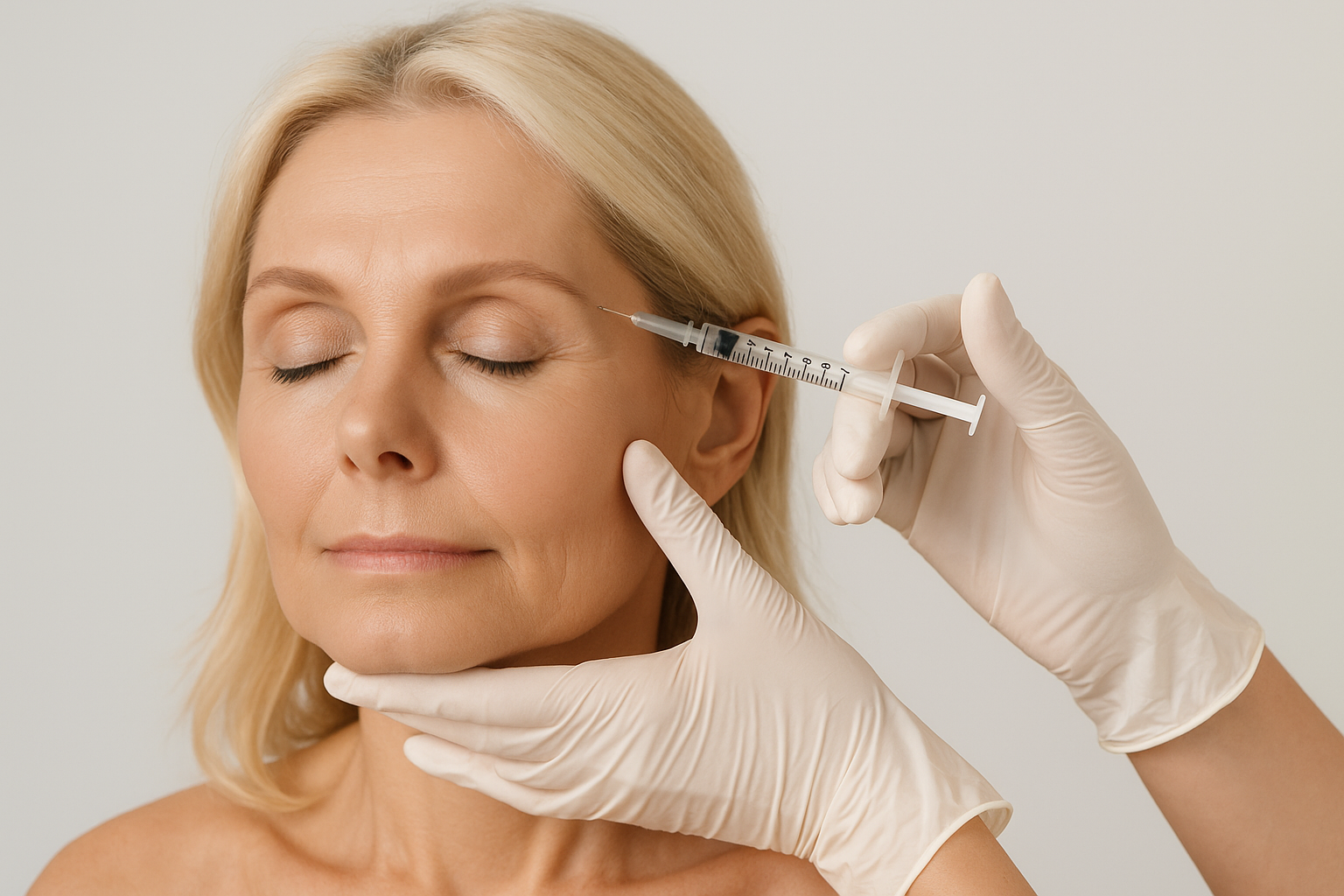
Understanding Botox: A Primer for Women Over 40
As we age, our skin naturally loses its elasticity and firmness, often leading to fine lines and wrinkles. For women over 40, Botox has become a popular option for maintaining a youthful appearance. But what exactly is Botox, and why is it favored among women in this age group?
Botox is a neurotoxin derived from Clostridium botulinum, which temporarily paralyzes muscles, reducing the appearance of wrinkles and fine lines. It’s mostly employed on areas such as forehead lines, crow’s feet, and frown lines between the brows.
Why Consider Botox After 40?
Women in their 40s often experience changes in their skin’s texture and elasticity. Hormonal changes can further exacerbate these conditions. Botox provides a non-surgical and relatively quick solution to address these concerns.
According to recent 2026 data from the American Society of Plastic Surgeons, Botox remains one of the top choices for non-surgical facial procedures among women aged 40 to 54, making up 45% of cosmetic procedures in this age group. (Source)
Types of Botox Options for Women Over 40
1. Traditional Botox
This is the standard botulinum toxin treatment that’s been used for decades. It is suitable for various areas of the face and has a long track record of effectiveness and safety.
2. Botox for Different Facial Areas
- Forehead Lines: Addressing horizontal forehead lines can provide a smoother, more youthful look.
- Crow’s Feet: These lines around the eyes can be softened with small, precise injections.
- Frown Lines: Located between the eyebrows, Botox can help these lines fade significantly.
3. Microbotox
This involves using smaller doses of Botox injected just beneath the skin’s surface instead of deep into the muscles. It’s perfect for more subtle signs of aging or for those who prefer a more natural appearance.
Side Effects and Considerations
While Botox is generally safe, there are side effects and factors to consider:
- Bruising and Swelling: Temporary bruising and swelling at the injection site are common.
- Headaches: Some people report mild headaches following a procedure.
- Drooping Eyelids: Although rare, there can be temporary muscle drooping.
A board-certified dermatologist or plastic surgeon should be consulted to ensure optimal results and manage any potential adverse effects.
Choosing the Right Practitioner
With so many options available, choosing the right practitioner for your Botox procedure is critical. Here are some tips:
- Verify the practitioner’s credentials and ensure they are board-certified.
- Ask for before-and-after photos of previous patients.
- Read reviews and gather testimonials from other patients.
Consultations are perfect opportunities to discuss your goals and get personalized advice.
Longevity and Maintenance
The effects of Botox are temporary, generally lasting between 3 to 6 months. Regular maintenance sessions are required to sustain the desired look. It’s important to have realistic expectations and understand the commitment of repeated treatments.
Costs and Accessibility
The cost of Botox treatments can vary depending on the location, the expertise of the practitioner, and the amount of product used. On average, treatments can range from $300 to $600 per session. It’s important to consider this as a regular expense if ongoing maintenance is desired.
Fortunately, Botox is widely available and accessible through many dermatology and cosmetic surgery practices globally.
Is Botox Right for You?
The decision to use Botox is personal and should align with your aesthetic goals and lifestyle. Whether you aim to erase fine lines or prevent more profound wrinkles from forming, consulting with professionals can provide clarity and guidance.
As always, consider your health history, budget, and willingness to commit to regular treatments before proceeding.
For further resources and reading, check out publications such as the Journal of Cosmetic Dermatology and reputable websites like WebMD. (Source)