Exploring the Best Over-the-Counter Inhalers: A Guide to Managing Respiratory Relief
Searching for effective overthecounter inhalers? Discover some top choices that many find helpful. When it comes to managing mild respiratory conditions, OTC inhalers offer convenient options without the need for prescriptions.
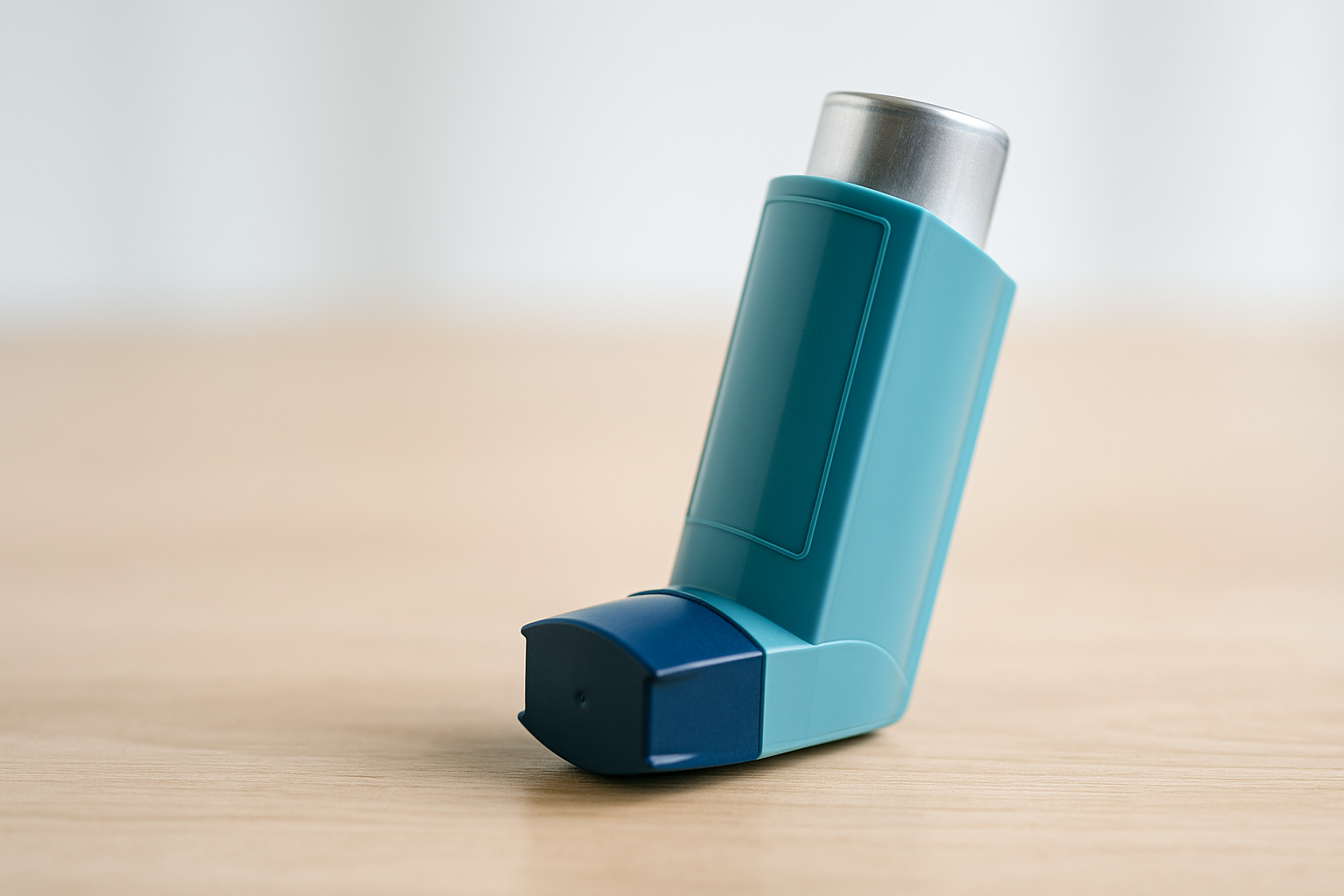
Understanding Over-the-Counter Inhalers
Over-the-counter (OTC) inhalers have become an essential tool for many individuals dealing with respiratory issues. But what makes these inhalers so popular, and what should consumers know before using them? This article explores top OTC inhalers, highlights their functionalities, and explains when and why they are used.
What Are Over-the-Counter Inhalers?
An over-the-counter inhaler is a device that delivers medication directly to the lungs without the need for a prescription. These inhalers are primarily used to manage mild forms of asthma or other temporary respiratory issues, such as wheezing or shortness of breath.
Top Over-the-Counter Inhalers in 2026
As of 2026, several OTC inhalers have gained popularity due to their effectiveness, ease of use, and affordability. Here, we explore some of the best options currently available.
1. Primatene Mist
Primatene Mist is one of the most widely recognized OTC inhalers. It contains epinephrine, which acts quickly to open up the airways and make breathing easier for those experiencing acute asthma symptoms.
- Mechanism: Epinephrine is a bronchodilator that relaxes muscles in the airways, increasing airflow to the lungs.
- Availability: Available without a prescription but should be used according to the instructions on the label.
- Considerations: Not recommended for frequent use; individuals should consult a healthcare provider if symptoms persist.
2. Asthmanefrin
Asthmanefrin is another popular OTC option, especially for those who prefer a liquid-based treatment. It is designed as a racepinephrine inhalation solution used via a nebulizer.
- Mechanism: Like Primatene Mist, it acts as a bronchodilator. Users inhale the vapor through a nebulizer machine.
- Availability: Generally available at major pharmacies and drugstores.
- Considerations: Requires a nebulizer, though the medication is available OTC. Users should ensure they have or purchase a compatible device.
Criteria for Choosing the Right Inhaler
Choosing the right inhaler is crucial for effectively managing symptoms. Here are some factors to consider:
- Symptoms: Consider the severity and frequency of symptoms. Severe symptoms often require a prescription inhaler.
- Medical History: Ensure your choice aligns with any pre-existing conditions or medications.
- Ease of Use: Select an inhaler that is easy to administer, particularly for children or older adults.
- Consultation: Even for OTC medications, consult with a healthcare professional to ensure suitability and avoid interactions.
How Do Over-the-Counter Inhalers Compare to Prescription Options?
While OTC inhalers are convenient, prescription inhalers may offer better control for chronic asthma. Here's a quick comparison:
Benefits of Prescription Inhalers
- Customization: Prescription inhalers can be tailored to meet specific needs with different medications and dosages.
- Long-term Management: More suited for chronic asthma and may include steroids to reduce inflammation.
- Medical Supervision: Regular follow-up with healthcare professionals ensures effective asthma management.
When to Choose OTC Alternatives
- Convenience: Ideal for temporary relief, especially in mild cases of asthma or respiratory distress.
- Accessibility: Obtained without a prescription, making them easier for quick relief in emergencies.
Frequently Asked Questions
Are All Over-the-Counter Inhalers Safe?
Most people can safely use OTC inhalers, but they are not without risks. Misuse or overuse can lead to side effects such as increased heart rate or high blood pressure. It's essential to follow usage guidelines, and a healthcare provider should be consulted if there are any doubts.
Can OTC Inhalers Replace Prescription Inhalers?
OTC inhalers are not intended to replace prescription inhalers for individuals diagnosed with asthma. They can provide short-term relief but are generally not a substitute for comprehensive asthma management plans.
Recent Developments in OTC Inhalers
Emerging developments in the field of inhalers focus on improving delivery mechanisms and safety. There is ongoing research to create more efficient propellants and inhaler designs that maximize medication delivery to the lungs while reducing wastage.
For instance, a recent study from the National Academy of Science in 2026 highlights advancements in propellant technology that significantly reduced environmental impact compared to older CFC inhalers. [National Library of Medicine](https://www.nlm.nih.gov) [PubMed Central](https://www.ncbi.nlm.nih.gov/pmc)
In summary, OTC inhalers can effectively provide temporary relief for mild symptoms but should be used with caution and care. Consumers are encouraged to stay informed and consult healthcare professionals regarding their use. For individuals with chronic respiratory issues, regular consultation with a healthcare provider remains essential for optimal management.