Exploring the Best: Top 5 Engineering Colleges in Georgia for Aspiring Engineers
Explore the top 5 engineering colleges in Georgia with this insightful guide! Dive into what makes each institution unique, from cutting-edge research opportunities to innovative curriculum offerings.
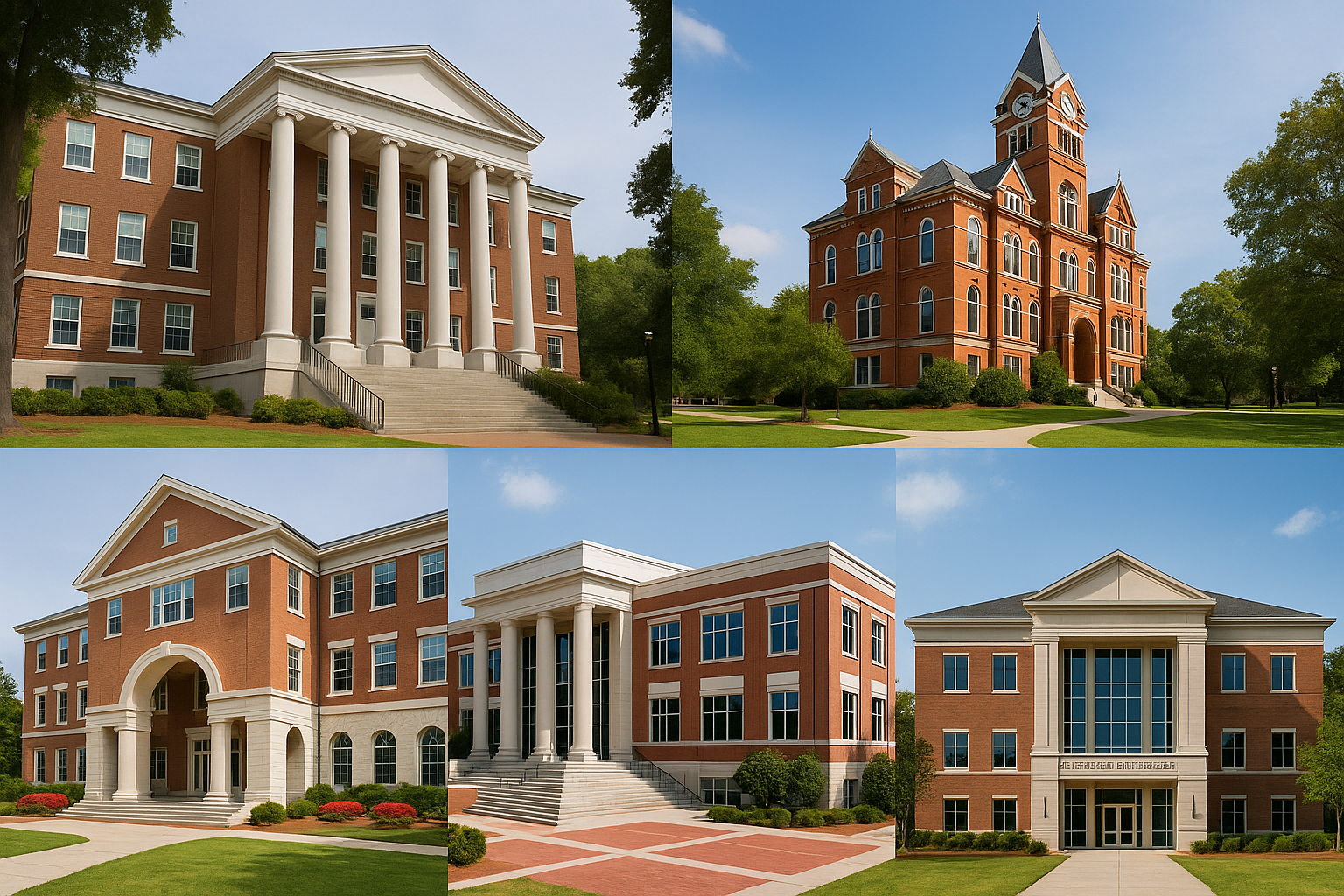
Exploring the Top 5 Engineering Colleges in Georgia
Georgia is home to some of the nation's leading engineering colleges, providing a blend of academic excellence, cutting-edge research opportunities, and vibrant campus life. These institutions are known for producing graduates who are well-prepared to tackle the challenges of the modern engineering landscape. In this article, we will delve into the top engineering colleges in Georgia and provide insights into what makes each of them stand out.
1. Georgia Institute of Technology
Commonly known as Georgia Tech, this university consistently ranks among the top public engineering institutions in the United States. Located in Atlanta, Georgia Tech is renowned for its rigorous academic programs and innovative research initiatives.
- Programs Offered: Georgia Tech offers a wide range of engineering programs including aerospace, biomedical, civil, computer, electrical, and mechanical engineering.
- Research and Facilities: The Institute is a leader in engineering research, with cutting-edge facilities like the Carbon Neutral Energy Solutions Lab and the Advanced Technology Development Center.
- Real-World Impact: Georgia Tech's close ties with industry leaders in the tech-heavy Atlanta area provide students with ample internship and co-op opportunities, ensuring practical, hands-on experience.
According to the 2026 US News & World Report, Georgia Tech's engineering programs are consistently ranked in the top 10 nationwide.
2. University of Georgia
The University of Georgia (UGA) is a public university with a robust College of Engineering. Located in Athens, UGA combines a liberal arts education with rigorous technical training.
- Programs Offered: UGA offers degrees in agricultural, biological, civil, computer systems, and electrical & electronics engineering.
- Engineering Education: The Integrated Life Sciences Building and the Biological Sciences Building are key components of the campus, supporting interdisciplinary research that advances engineering solutions in health and agriculture.
- Community Engagement: UGA has a strong emphasis on sustainability and community-based engineering projects, allowing students to work on real-world problems that benefit society.
UGA’s commitment to sustainability and innovative teaching methods makes it a top choice for students interested in impactful engineering careers.
3. Mercer University
Located in Macon, Mercer University offers a more intimate education experience, with smaller class sizes and a focus on undergraduate teaching. Mercer's School of Engineering is particularly noted for its strong cooperative education programs.
- Programs Offered: Mercer's offerings include biomedical, computer, electrical, environmental, and mechanical engineering.
- Cooperative Learning: Mercer emphasizes experiential learning, allowing students to earn income during their cooperative education placements while gaining practical experience.
- Innovative Projects: Students at Mercer have the opportunity to participate in innovative projects like the Mercer on Mission program, where engineering skills are applied to address global challenges.
Mercer's combination of academic rigor and practical experience has earned it recognition as a leading educator in the engineering field.
4. Kennesaw State University
Kennesaw State University (KSU) is noted for offering a wide array of engineering programs with a strong emphasis on innovation and technology. With a campus located in Kennesaw, KSU provides a dynamic educational environment.
- Programs Offered: KSU provides diverse programs including mechatronics, industrial, software, and civil engineering.
- Technological Integration: The university's focus on innovation is highlighted by the Southern Polytechnic College of Engineering and Engineering Technology, which fosters a tech-focused academic culture.
- Industry Connections: KSU maintains partnerships with various tech firms in metro Atlanta, facilitating excellent post-graduation employment opportunities for its students.
KSU's commitment to blending education with industry needs ensures that graduates are well-equipped for success in various engineering careers.
5. Georgia Southern University
Georgia Southern University offers engineering programs at its Armstrong Campus in Savannah and its Statesboro Campus. Known for its practical, experience-based education approach, the university focuses on preparing students for the workforce.
- Programs Offered: Students can pursue degrees in fields such as civil, electrical, and mechanical engineering.
- Hands-On Learning: Georgia Southern emphasizes hands-on learning with state-of-the-art labs and research projects, fostering a practical understanding of engineering principles.
- Student Success: The institution has a high job placement rate, with graduates finding employment within their respective engineering fields soon after graduation.
The emphasis on practical experience and applied research makes Georgia Southern a prime choice for students aiming for an immediate impact in the engineering industry.
Choosing the Right College for You
When deciding on an engineering college, it’s crucial to consider factors such as the programs offered, opportunities for hands-on learning, and connections with industry. Georgia's top engineering colleges each offer unique advantages, whether through world-class research facilities, integrated learning opportunities, or industry partnerships.
Prospective students should visit campuses, talk to current students and faculty, and consider their long-term career goals. Each of these institutions offers a robust education that equips graduates to excel in a rapidly evolving technological landscape.
For more information on these institutions, you can explore their dedicated pages or refer to resources such as the National Center for Education Statistics for comprehensive data on programs and outcomes.