Exploring the Compatibility of Automatic Pool Covers with Existing Pool Designs
Thinking about adding the convenience of an automatic cover to your existing swimming pool? The short answer is yes, it’s absolutely possible for most pools.
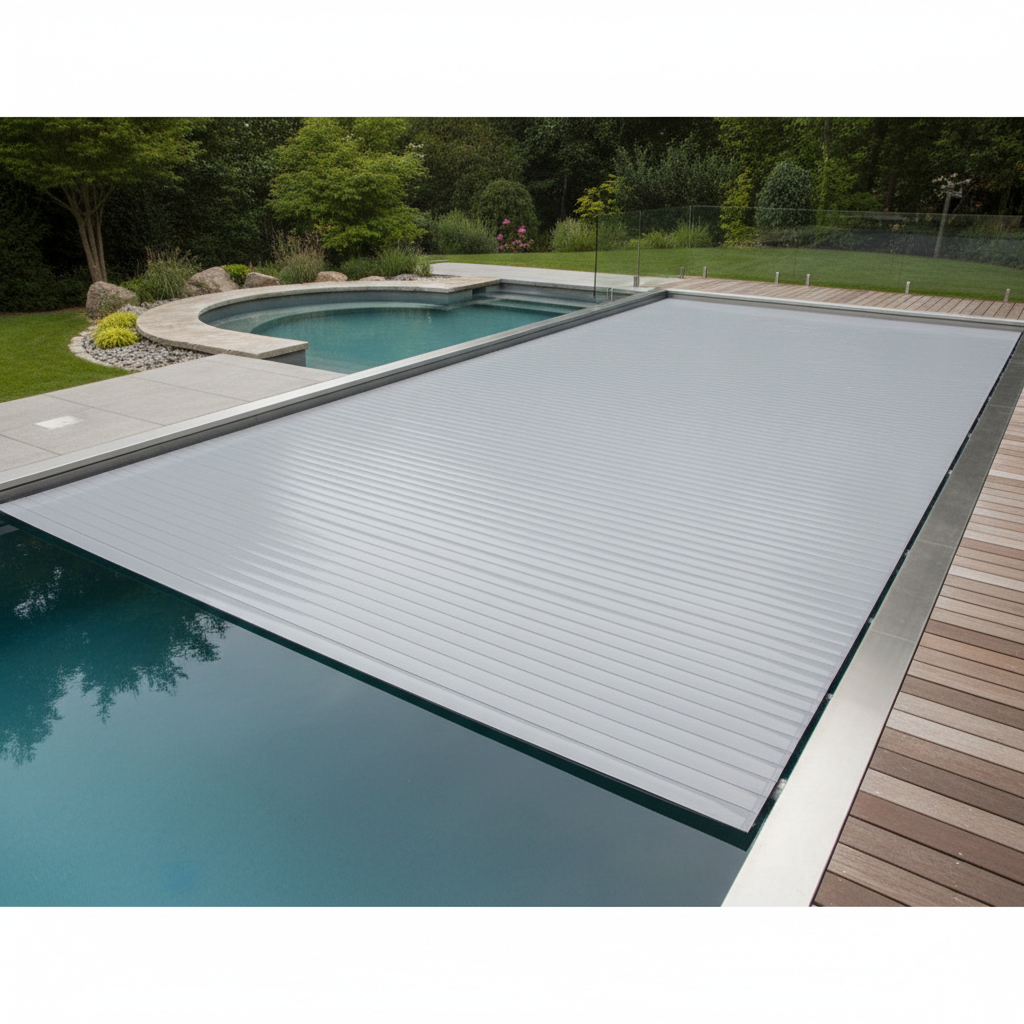
Can Existing Pools Support Automatic Covers? A Comprehensive Guide
Many pool owners dream of the convenience, safety, and efficiency an automatic pool cover provides. With just the turn of a key or the press of a button, a sturdy cover glides across the water, securing the pool in seconds. But if your pool wasn't built with one, you might be asking a critical question: Can you add an automatic cover to an existing pool? The answer, in most cases, is a resounding yes. However, the feasibility and type of cover system depend on several key factors related to your pool's design and surrounding landscape.
Retrofitting an automatic cover is a common project, and manufacturers have developed innovative systems specifically for existing pools. Unlike covers installed during a pool's construction, which can be seamlessly hidden, retrofit options are designed to work with the structures already in place. Understanding your pool's specific characteristics is the first step in determining the best solution for your backyard oasis.
Factors That Determine Compatibility for Existing Pools
Before diving into the types of covers available, it's essential to assess your pool area. A professional installer will perform a detailed evaluation, but knowing these key considerations will help you understand the possibilities and potential challenges.
1. Pool Shape
The shape of your pool is the single most important factor. Rectangular pools are the easiest and most straightforward to cover. The straight, parallel lines allow the cover's tracks to run smoothly along the edges, ensuring a perfect fit and operation. If you have a classic rectangular pool, you will have the most options available for a retrofit.
Freeform, kidney-shaped, or pools with complex curves present a significant challenge. Standard automatic covers rely on a track system that pulls the cover in a straight line. To accommodate a non-rectangular shape, the pool often needs to be "squared off" with a wider track system, sometimes using a combination of recessed and deck-mounted tracks. This can cover the unique shape but may result in some decking being covered as well.
2. Decking Material and Condition
The material and condition of your pool deck are crucial, as this is where the cover's tracks and housing mechanism will be mounted. Most systems require a solid, stable surface for installation. Poured concrete, pavers, and sturdy wood decks are typically ideal candidates. Technicians will need to anchor the tracks securely, which involves drilling into the deck surface.
If your deck is in poor condition, cracked, or uneven, it may need to be repaired or even replaced before an automatic cover can be installed. The weight and tension of the cover system require a solid foundation to function safely and reliably for years to come.
3. Available Space Around the Pool
An automatic pool cover system includes more than just the cover and tracks. The largest component is the mechanism that houses the rolled-up cover, which includes the motor and reel. For retrofit installations, this housing is typically mounted on the surface of the deck at one end of the pool. You will need sufficient clear space—usually around 18 to 24 inches—at one end of the pool to accommodate this housing. It often looks like a low-profile bench, and some homeowners even build custom benches around it to blend it into their patio furniture.
Types of Automatic Covers for Existing Pools
Once you've assessed your pool, you can explore the types of cover systems designed for retrofitting. The primary distinction lies in how the tracks are mounted.
Top-Track or Deck-Mounted Systems
This is the most common and cost-effective solution for existing pools. In a top-track system, two low-profile tracks are mounted directly onto the surface of the pool deck, running parallel to each other along the length of the pool. The cover's edges have ropes or sliders that glide within these tracks. At one end, the housing containing the motor and roller sits on the deck. While the tracks and housing are visible, modern designs are sleek and can be color-matched to your decking to minimize their visual impact.
The primary advantage of a top-track system is its relatively simple installation. Because it doesn't require any modification to the pool's structure or significant disruption to the existing deck, the installation process is faster and less expensive than other options. It is the go-to choice for most rectangular pools where hiding the mechanism isn't the top priority.
Under-Track Systems
For a cleaner, more integrated look, an under-track system is an excellent option. In this setup, the tracks are not mounted on top of the deck but rather underneath the pool's coping (the stone or concrete edge of the pool). This hides the tracks from view, making the installation appear almost as seamless as a system built with the pool. The cover seems to magically emerge from just below the edge of the water.
However, this type of installation is more complex and expensive. It requires the installer to cut back the coping and cantilevered deck to mount the tracks to the pool wall. This involves more labor and specialized equipment. It's often chosen by homeowners who are already planning a minor deck or coping renovation, as it can be incorporated into the project. An under-track system provides a superb aesthetic but comes at a higher price point.
Why Automatic Pool Covers Are More Than Just a Convenience
The initial motivation for many homeowners considering an automatic cover is convenience. The tedious process of dragging a heavy manual cover on and off the pool is eliminated. But the benefits extend far beyond simply saving time and effort. Modern automatic covers are sophisticated systems that fundamentally improve the pool ownership experience in three critical areas: safety, savings, and cleanliness.
First and foremost is safety. A high-quality automatic pool cover acts as a horizontal fence, completely isolating the water and preventing accidental access by children, pets, or non-swimmers. Most covers meet stringent ASTM International safety standards, capable of supporting the weight of several adults. This provides unparalleled peace of mind that a standard mesh or solar cover simply cannot offer. For families with young children, this safety feature is often the primary reason for the investment.
Secondly, the economic and environmental savings are substantial. A pool loses most of its heat through surface evaporation. By covering the pool, you can reduce heat loss by up to 70%, drastically cutting down on heating costs. Similarly, evaporation is the main cause of water loss. An automatic cover can reduce water evaporation by as much as 95%, saving thousands of gallons of water per year and reducing the need to constantly add and rebalance chemicals. This not only saves money but also conserves precious resources.
Common Questions About Retrofitting Automatic Pool Covers
Even after deciding that an automatic cover is right for your existing pool, many homeowners have follow-up questions about the specifics of the process, cost, and long-term ownership.
How Much Does It Cost to Add an Automatic Cover to an Existing Pool?
The cost to retrofit an automatic pool cover can vary significantly based on several factors. The primary drivers of price are the size of the pool, the type of system chosen (top-track vs. under-track), and the complexity of the installation. For a standard medium-sized rectangular pool, a deck-mounted top-track system is the most budget-friendly option, with prices often starting in the range of $8,000 to $15,000.
If you opt for a more aesthetically pleasing under-track system, the cost will be higher due to the additional labor required to modify the pool coping and deck. This can push the price into the $12,000 to $20,000+ range. For very large pools or those requiring custom solutions for unique shapes, the price can increase further. It's always best to get quotes from multiple reputable installers who can assess your specific site and provide a detailed estimate.
Can Freeform or Kidney-Shaped Pools Have Automatic Covers?
Yes, but with some creativity and compromise. Since the cover mechanism operates in a straight line, it cannot follow the curves of a freeform pool. The most common solution is to install a track system that creates a "rectangle" over the widest and longest points of the pool. The cover will then extend over this rectangular area, covering the entire water surface but also some of the surrounding deck in the process.
This is often achieved using recessed tracks that are set flush with the deck, creating a less obtrusive path for the cover to follow. While this solution makes it possible to cover a uniquely shaped pool, it changes the visual outline of the pool when covered. The installer will design a system that maximizes coverage while minimizing the aesthetic impact, but it's an important trade-off to consider.
What Maintenance is Required for an Automatic Pool Cover?
Automatic pool covers are designed to be durable, but like any mechanical system, they require some routine maintenance to ensure a long and trouble-free life. The most important task is to keep the cover and the tracks clean. Debris like leaves, twigs, and dirt should be regularly swept or hosed off the tracks to prevent them from jamming the mechanism. The cover itself should be cleaned periodically with a soft brush and mild soap to prevent mildew and staining.
It's also crucial to keep the motor housing's drainage system clear to prevent water from accumulating and damaging the electrical components. Most manufacturers recommend an annual or bi-annual professional service, where a technician will inspect the ropes, check the tension, lubricate moving parts, and ensure the entire system is operating correctly. This preventative maintenance can help you avoid costly repairs down the road.
Conclusion
For the vast majority of pool owners, adding an automatic cover to an existing pool is an entirely achievable project. Modern retrofit systems, especially deck-mounted top-track models, offer a practical and effective way to gain the immense benefits of safety, cost savings, and convenience. While pools with complex shapes or deteriorating decks may present challenges, solutions often exist. By evaluating your pool's shape, decking, and available space, you can determine the best path forward to upgrading your pool and enhancing your entire backyard experience.
For more information, you can visit:
- PoolCovers.com - A resource for different types of pool covers.
- Cover-Pools - A leading manufacturer of automatic safety pool covers.