Exploring the Connection Between Belly Fat and Erectile Dysfunction
Are you concerned about the potential links between belly fat and erectile dysfunction? Discover insights into how excess abdominal weight could impact your health and what steps you might consider for improvement.
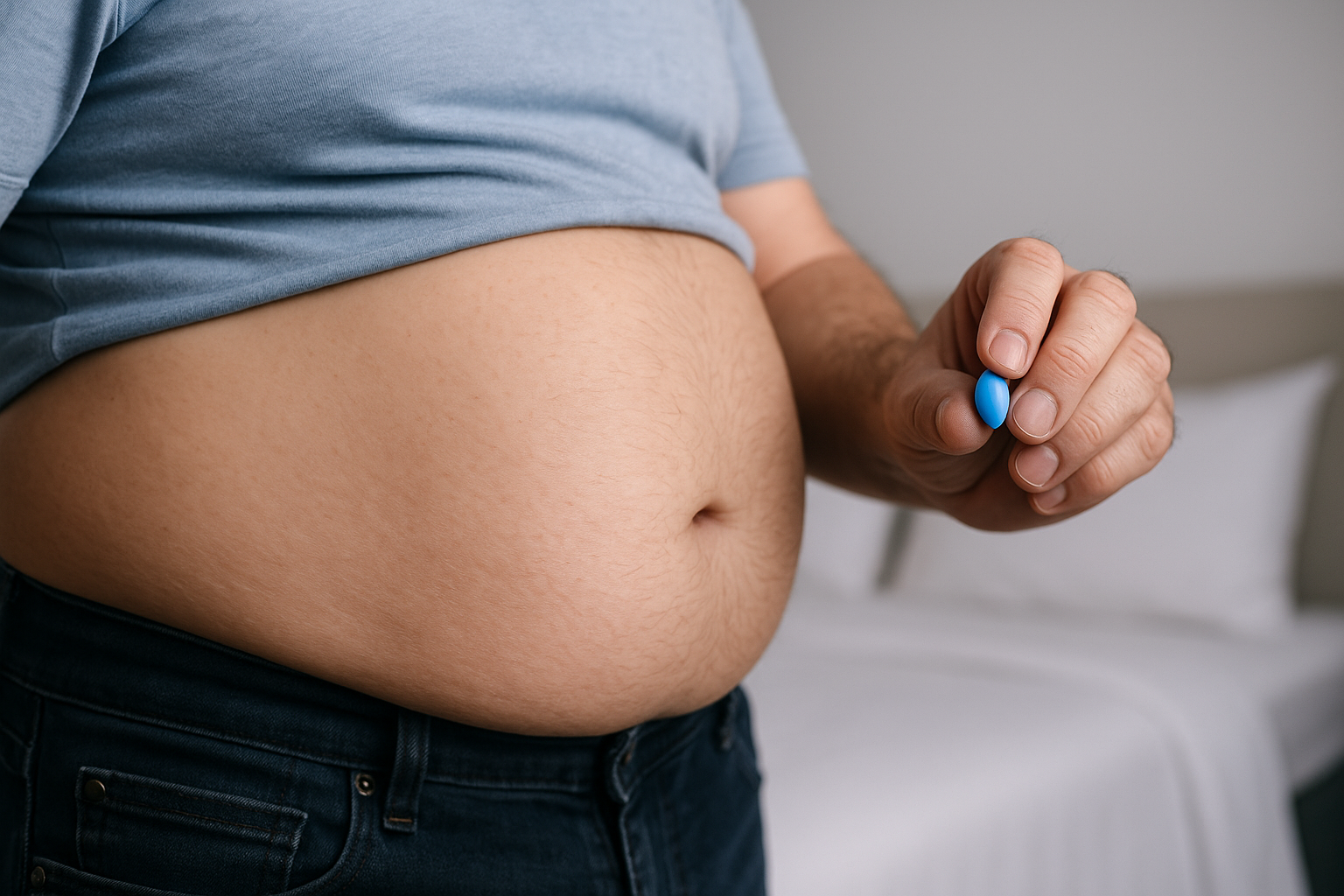
Understanding the Link Between Belly Fat and Erectile Dysfunction
In recent years, research has increasingly uncovered the complex health implications of belly fat, especially concerning its effect on erectile dysfunction (ED). Many people might wonder about this connection, questioning how excess abdominal weight might lead to problems in sexual function. By exploring the physiological mechanisms and lifestyle factors, we can gain a better understanding of how belly fat and erectile dysfunction are related.
What is Belly Fat?
Belly fat, or abdominal obesity, refers to the accumulation of fat around the midsection. It is often measured by waist circumference, with men who have a waist size of more than 40 inches and women with a waist size over 35 inches being at greater risk for health complications. There are two primary types of belly fat:
- Visceral Fat: This type of fat surrounds the organs inside the abdominal cavity and is more metabolically active and dangerous than subcutaneous fat.
- Subcutaneous Fat: Located just beneath the skin, it is less harmful but still contributes to overall body weight and obesity.
Research has shown that excessive belly fat is linked to several metabolic disturbances, including insulin resistance, high blood pressure, and inflammation, which are critical contributors to erectile dysfunction.
How Belly Fat Contributes to Erectile Dysfunction
Impact on Cardiovascular Health
Cardiovascular health plays a significant role in erectile function. An erection is achieved when blood flows freely into the vessels of the penis, maintaining rigidness during sexual arousal. Belly fat is known to increase the risk of cardiovascular diseases by raising blood lipid levels and promoting plaque buildup in arteries.
In 2026, a study published in the Journal of Sexual Medicine highlighted that men with higher abdominal obesity have a 30% higher risk of developing ED due to impaired arterial blood flow and decreased nitric oxide production, a crucial element in vascular dilation.
Hormonal Changes
Excess belly fat can skew the hormonal balance in men, significantly affecting testosterone levels. Testosterone is the primary male hormone essential for sexual drive, and its deficiency is closely linked with erectile dysfunction.
- Decreased Testosterone: Belly fat contains an enzyme called aromatase that converts testosterone into estrogen. Increased levels of estrogen in men can lead to a decrease in libido and challenges with maintaining erections.
- Insulin Resistance: As reported in a Harvard Health publication in 2026, insulin resistance — often exacerbated by belly fat — can further decline testosterone levels and worsen ED symptoms.
Mitigating the Effects of Belly Fat on Erectile Dysfunction
Importance of a Balanced Diet
An effective way to tackle belly fat and its contributions to ED is through dietary changes. Focus on maintaining a balanced diet rich in fruits, vegetables, lean proteins, and whole grains. The Mediterranean diet, in particular, has shown promise in reducing abdominal fat and promoting overall vascular health.
Including foods rich in antioxidants such as berries and leafy greens help combat inflammation, while healthy fats from olive oil and avocados boost heart health. By controlling calorie intake and choosing nutrient-dense foods, individuals can effectively reduce visceral fat and its adverse effects on erectile function.
Incorporating Regular Physical Activity
Exercise is a cornerstone in managing belly fat and improving sexual performance. Regular physical activity helps burn excess calories, increase muscle mass, and enhance circulation, all crucial for maintaining erectile health.
- Cardiovascular Exercise: Activities like brisk walking, cycling, or swimming can significantly reduce belly fat. A 2026 CDC report emphasized that adults should aim for at least 150 minutes of moderate-intensity aerobic exercise weekly to see noticeable health improvements.
- Strength Training: Exercises such as weight lifting increase muscle mass, which can boost metabolism and testosterone levels, indirectly benefiting erectile function.
Managing Stress and Ensuring Adequate Sleep
Chronic stress and inadequate sleep are often overlooked but significant contributors to both belly fat and erectile dysfunction. Stress leads to elevated cortisol levels, which promote weight gain around the abdomen and interfere with hormonal balance.
Incorporating stress-reducing techniques such as yoga, meditation, or deep-breathing exercises can alleviate anxiety, thereby supporting weight management and improving ED. Additionally, ensuring 7-8 hours of quality sleep each night aids in hormone regulation and recovery, fostering better erectile health.
Conclusion: A Holistic Approach to Health
Understanding the relationship between belly fat and erectile dysfunction empowers individuals to take proactive steps toward improving their health. By focusing on a holistic approach that includes a nutritious diet, regular exercise, stress management, and sufficient rest, individuals can effectively reduce belly fat and improve erectile function. These lifestyle changes not only enhance sexual health but also contribute to overall well-being, opening the door to a healthier, more fulfilling life.