Exploring the Connection Between Viral Sinusitis and Ear Pressure
Discover the intriguing connection between viral sinusitis and ear pressure. This common condition might lead to unexpected sensations in your ears. But what exactly happens inside your sinuses that could affect ear pressure? Uncover the potential pathways without jumping to conclusions.
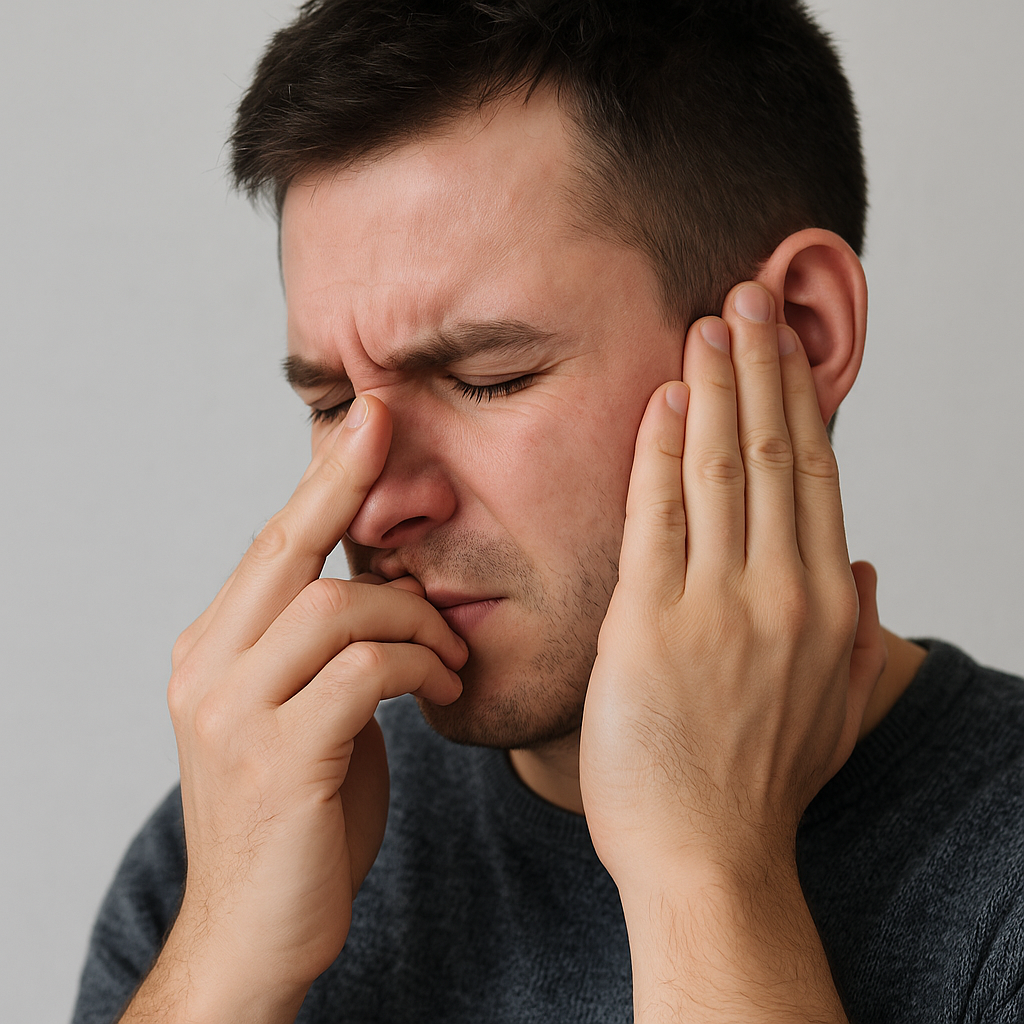
Understanding Viral Sinusitis and Its Symptoms
Viral sinusitis, commonly known as a sinus infection, is typically caused by viruses that infect the respiratory system, leading to inflammation of the sinuses. Often confused with bacterial sinusitis, viral sinusitis tends to be more prevalent and generally results in milder symptoms. As the sinuses become inflamed, a range of symptoms can manifest, affecting quality of life and leading to discomfort in various areas, including the ears.
Common Symptoms of Viral Sinusitis
- Nasal congestion
- Runny or stuffy nose
- Facial pain or pressure, particularly around the nose and forehead
- Headaches
- Coughing
- Fatigue
- Sore throat
- Reduced sense of smell
While these symptoms can be uncomfortable, they are often self-limiting and tend to resolve within 7 to 10 days. This contrasts with bacterial sinusitis, where symptoms may persist beyond ten days and often require antibiotic treatment.
Can Viral Sinusitis Cause Ear Pressure?
Ear pressure is a common complaint associated with viral sinusitis. The Eustachian tubes, which connect the middle ear to the back of the nose and throat, can become blocked or inflamed during a sinus infection. This blockage prevents normal drainage and pressure regulation in the ear, leading to a feeling of fullness or pressure.
Why Does This Happen?
When the sinuses become swollen and produce excess mucus, the Eustachian tubes may struggle to maintain balance in air pressure between the middle ear and the external environment. This pressure imbalance can result in symptoms such as ear pain, muffled hearing, and a sensation of the ears being "plugged."
Example Case: Consider Jane, who experiences a cold that progresses to viral sinusitis. She notices increased discomfort in her ears, leading to difficulty in hearing. This is primarily due to the mucus buildup obstructing her Eustachian tubes, common in sinus infections.
Managing Ear Pressure Caused by Viral Sinusitis
While viral sinusitis is often self-limiting, managing the associated ear pressure can improve comfort as the body fights off the virus. Here are some practical approaches:
Home Remedies
- Steam Inhalation: Breathing in steam can help loosen mucus and relieve pressure. Adding eucalyptus oil can enhance the effect.
- Warm Compresses: Applying a warm compress to the nose and sinuses can reduce inflammation and promote drainage.
- Stay Hydrated: Drinking plenty of fluids helps thin mucus, aiding in drainage.
- Use of a Humidifier: Keeping the air moist can prevent the nasal passages from drying out, facilitating mucus clearance.
Over-the-Counter Solutions
- Decongestants: These can reduce nasal congestion and swelling, thus helping with Eustachian tube function. However, they should not be used for more than a few days without medical advice.
- Saline Nasal Sprays: These can keep your nasal passages moist and clear out irritants and mucus.
When to See a Doctor
If symptoms persist beyond ten days, become severe, or are accompanied by a high fever, severe headache, or facial swelling, it might be necessary to consult a healthcare provider. These could be signs of a bacterial infection or another underlying condition that needs medical attention.
Preventing Future Episodes
While it's impossible to completely avoid viral infections, certain strategies can reduce the risk of developing sinusitis:
- Good Hygiene Practices: Regular hand washing can prevent the spread of viruses that cause respiratory infections.
- Vaccination: Stay updated with flu shots, which can prevent flu-related sinusitis.
- Avoidance of Irritants: Reducing exposure to tobacco smoke, pollution, and other nasal irritants can help maintain sinus health.
- Strengthening the Immune System: A balanced diet, regular exercise, and adequate rest can enhance immune function.
Incorporating these practices into daily life not only helps mitigate the risk of sinusitis but also contributes to overall health and well-being.
Resources and Further Reading
For more detailed information and recent updates on viral sinusitis and ear pressure, consider consulting the following sources: