Exploring the Effectiveness and Reliability of At-Home Herpes Test Kits
So, you’re looking into at-home herpes tests and asking the most important question: are they actually reliable? Making an informed decision is crucial, which is why we're breaking down everything you need to know.
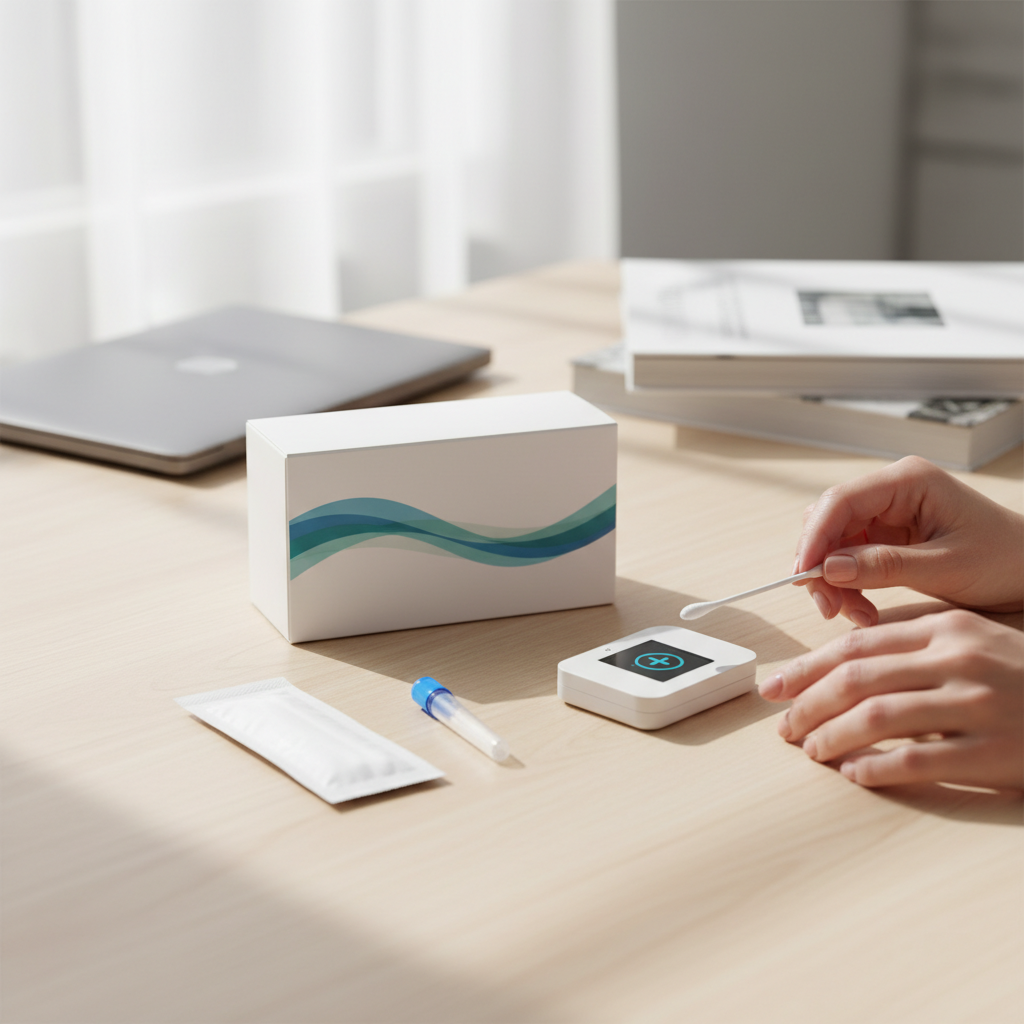
The rise of at-home health testing has brought convenience and privacy to the forefront of personal wellness. Among the many options available, home herpes test kits have gained significant attention. They promise a discreet way to check for the herpes simplex virus (HSV) without a trip to the doctor's office. But a crucial question remains: do they actually work? The answer is nuanced, depending on the type of test, when it's taken, and how the results are interpreted. This guide breaks down everything you need to know about the functionality and reliability of these kits.
Types of Home Herpes Tests and How They Work
Understanding home herpes tests begins with knowing that they aren't all the same. The method used to detect the virus dictates the test's purpose, accuracy, and ideal timing. Generally, at-home kits fall into two primary categories: blood tests that look for antibodies and swab tests that look for the virus itself.
Blood Antibody Tests (Finger-Prick Method)
The most common type of at-home herpes test is the blood antibody test. This method requires you to collect a small blood sample, usually through a simple finger prick. The collected sample is then sent to a laboratory for analysis. This test doesn't look for the herpes virus directly. Instead, it searches for specific antibodies that your immune system produces in response to an HSV infection.
Your body creates different antibodies at different stages of an infection. Most modern tests focus on detecting Immunoglobulin G (IgG) antibodies. These are long-term antibodies that the body produces a few weeks to a few months after the initial infection, and they typically remain in your system for life. The presence of IgG antibodies indicates a past or existing infection. Some older or less reliable tests might look for IgM antibodies, but these are not recommended for herpes testing by the CDC because they can lead to inaccurate results.
PCR Swab Tests (For Active Sores)
The second type of test is a swab test, which is designed to be used only when you have an active outbreak with visible sores or blisters. This test involves using a sterile swab to collect a fluid sample directly from a sore. The sample is then mailed to a lab for Polymerase Chain Reaction (PCR) analysis.
PCR testing is highly sensitive and looks for the actual genetic material (DNA) of the herpes virus. Because it detects the virus itself rather than the body's response to it, a positive PCR test is a definitive confirmation of an active herpes infection at the site of the sore. This method is considered the gold standard for confirming that a specific lesion is caused by HSV.
At-Home vs. In-Clinic Testing: A Comparison
While at-home kits offer unparalleled convenience and privacy, it's important to understand how they stack up against traditional testing performed in a clinic or doctor's office. Both pathways have distinct advantages and disadvantages.
| Feature | At-Home Test Kits | In-Clinic Testing |
|---|---|---|
| Convenience | High. The test is ordered online and performed in the privacy of your own home. | Lower. Requires scheduling an appointment, traveling to the clinic, and waiting. |
| Privacy | Maximum privacy. No face-to-face interaction is required for the initial test. | Less privacy. Involves discussion with healthcare staff and a physical examination. |
| Sample Collection | Self-collection (finger prick or sore swab). Potential for user error if instructions are not followed precisely. | Performed by a trained professional, minimizing the risk of collection error. |
| Guidance & Counseling | Limited. Some services offer post-result telehealth consultations, but immediate guidance is not available. | Immediate. Healthcare providers can explain results, answer questions, and discuss next steps and treatment options in person. |
| Accuracy | Generally high if performed correctly and after the window period, as kits use certified labs. However, user error can impact results. | Considered the most reliable due to professional sample collection and direct access to high-quality lab services. |
Understanding Herpes Simplex Virus (HSV) and Testing Windows
To evaluate if a home test will "work," you must understand the virus itself and the critical concept of the "window period." The herpes simplex virus has two main types: HSV-1, which most commonly causes oral herpes (cold sores), and HSV-2, which most commonly causes genital herpes. However, either type can infect either area.
When it comes to antibody blood tests, the window period is the most critical factor influencing accuracy. This is the time between potential exposure to the virus and when your body develops enough detectable antibodies for a test to pick them up. If you test too soon, you may get a false negative result, meaning you have the virus, but the test doesn't detect it yet. For HSV IgG antibodies, this window period can be anywhere from 3 weeks to 4 months. Most experts recommend waiting at least 12 weeks after the last possible exposure before taking an antibody test to ensure the highest level of accuracy.
Common Questions About Home Herpes Tests
Navigating the world of at-home testing can bring up many questions. Here are answers to some of the most common inquiries people have.
What is the Accuracy of Home Herpes Tests?
The accuracy of home herpes kits is generally high, provided two conditions are met: the user follows the collection instructions perfectly, and the test is taken after the window period has passed. The labs that process these at-home samples are often the same CLIA-certified laboratories that doctors' offices use, so the analytical technology is reliable. For example, modern IgG blood tests have a high sensitivity (correctly identifying those with the virus) and specificity (correctly identifying those without it).
However, the potential for error exists. Improper sample collection—not getting enough blood or contaminating a swab—can lead to inconclusive or inaccurate results. Furthermore, testing too early is the single biggest reason for a false negative. For swab tests on an active sore, the accuracy is extremely high, as PCR technology is excellent at detecting viral DNA. The main limitation is that it only works when a lesion is present.
What Do Positive and Negative Results Mean?
Interpreting your results correctly is vital. A negative result from an antibody test means that no HSV antibodies were detected. If you took the test after the 12-week window period, it's highly likely you do not have the virus. If you tested earlier, you may need to retest later to be certain.
A positive result from an antibody test indicates that you have been exposed to the herpes virus and your body has created antibodies against it. The test should specify whether you are positive for HSV-1, HSV-2, or both. It's important to know that a positive result does not tell you when you were infected or if you will ever have symptoms. Many people with herpes are asymptomatic. There is also a small chance of a false positive, particularly with results that are in the low-positive range. For this reason, all positive results from an at-home test should be confirmed with a follow-up test from a healthcare provider.
What Are the Next Steps After Taking a Home Test?
Your actions after receiving your results are just as important as the test itself. If your result is negative and you tested after the window period, you can be reasonably confident in the result. However, continue to practice safe sex, as a negative result does not protect you from future exposure.
If your result is positive, the most critical next step is to consult a healthcare professional. A doctor can confirm the diagnosis, often with a different type of test, and provide essential counseling. They can discuss the implications of the diagnosis, explain how to manage symptoms if they occur, prescribe antiviral medication if necessary, and offer guidance on how to talk to partners. Receiving a positive diagnosis can be emotionally challenging, and a healthcare provider can offer support and resources to help you manage your health moving forward.
Conclusion
So, do home herpes test kits really work? Yes, they can be a reliable and effective tool for detecting the herpes simplex virus when used correctly. Blood antibody tests are effective for identifying past infections, as long as they are taken after the several-month window period has passed. Swab-based PCR tests are highly accurate for confirming that an active sore is caused by HSV. While these kits provide valuable privacy and convenience, they are not a substitute for professional medical advice. Any result, especially a positive one, should be discussed with a healthcare provider to ensure proper interpretation, confirmatory testing, and appropriate management.