Exploring the Future: Anticipating the Top Foldable Smartphones of 2026
If you're already trying to decide on the best foldable smartphone for 2026, you've landed in the right spot. We're breaking down the entire landscape, comparing the expected front-runners from industry giants like Samsung and Google to potential game-changers from new players.
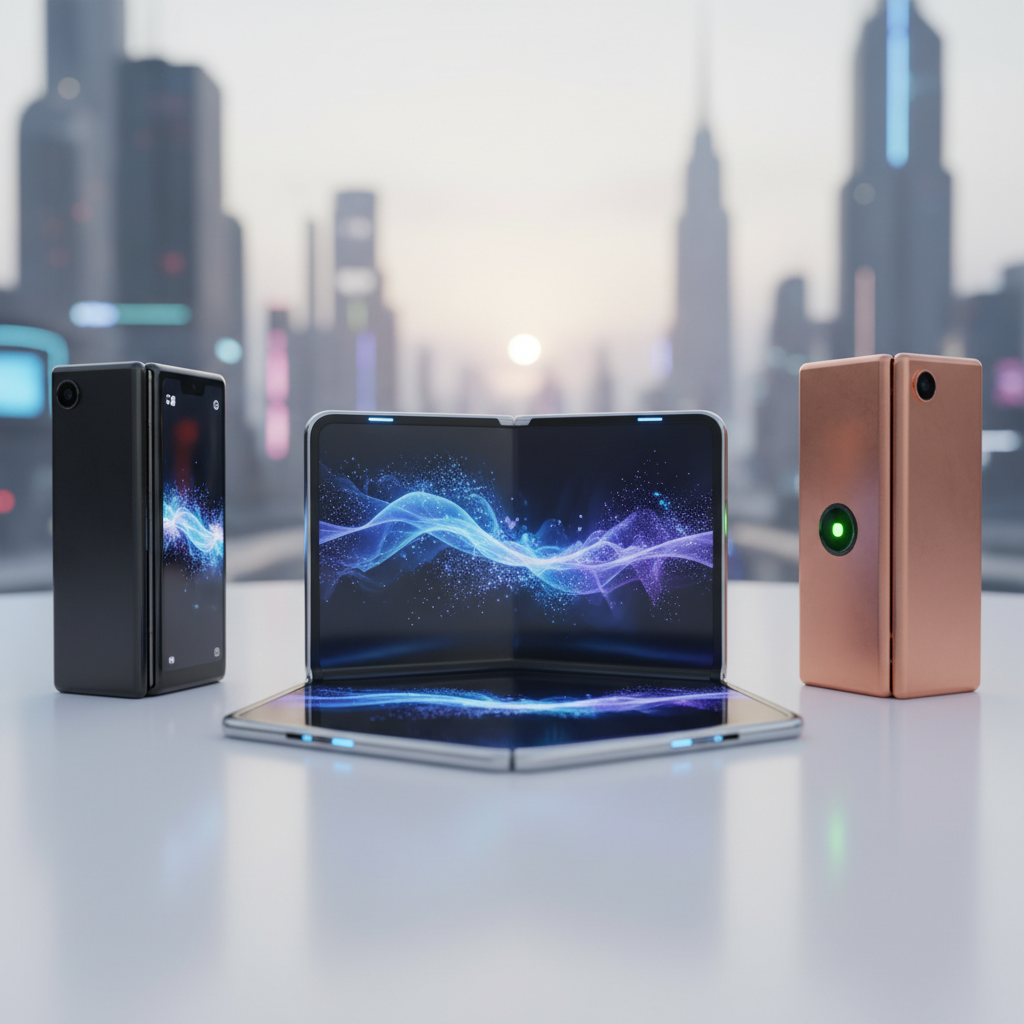
Projected Top Foldable Phones of 2026
As we look ahead to 2026, the foldable smartphone market is poised for a massive leap forward. The technology, once a fragile novelty, is set to mature into a robust and compelling category. By then, we expect to see more refined designs, nearly invisible creases, and software that truly takes advantage of the unique form factors. The following are our predictions for the top foldable smartphones that will likely dominate the market in 2026, based on current industry trends, technological advancements, and company trajectories.
1. Samsung Galaxy Z Fold 8
Samsung is the undisputed pioneer of the modern foldable market, and by 2026, the Galaxy Z Fold 8 will likely represent the pinnacle of this experience. We anticipate a device that has shed the last vestiges of its experimental origins. The cover screen is expected to adopt a more standard smartphone aspect ratio, making it far more comfortable to use for quick tasks without ever needing to unfold the device. The main attraction, the inner display, will likely feature next-generation Ultra-Thin Glass (UTG) that makes the infamous crease virtually disappear, creating a truly seamless tablet-like surface.
Internally, the Fold 8 will be a powerhouse, leveraging advanced processors for unparalleled multitasking. A major upgrade we foresee is the full integration of the S Pen, not as an optional accessory but housed within the phone's body, just like the Galaxy S Ultra series. This would solidify the Fold 8's position as the ultimate productivity device. Furthermore, expect significant camera improvements, potentially borrowing the advanced sensor and periscope zoom technology from the flagship S-series, finally closing the camera gap between Samsung's foldables and traditional flagships.
2. Apple iPhone Fold
The tech world has been anticipating Apple's entry into the foldable space for years, and 2026 could very well be the year it finally happens. True to form, Apple is unlikely to rush to market. Instead, the "iPhone Fold" (or whatever it may be called) will probably debut as an incredibly polished and premium product. Expect a device built with titanium and featuring a new, more durable version of their Ceramic Shield technology adapted for a flexible display. Apple's primary focus will be on the user experience, ensuring the software transition from the outer to the inner screen is flawless and intuitive.
The device will likely run a hybrid version of iOS and iPadOS, seamlessly offering phone functionality when closed and powerful tablet features, like Stage Manager for multitasking, when opened. The hinge mechanism will be a marvel of engineering, designed for a satisfying feel and long-term durability. While it may not be the first foldable, Apple's entry will likely legitimize the category for a massive new segment of consumers and set a new standard for build quality and software integration.
3. Google Pixel Fold 3
After a solid first-generation entry, Google's Pixel Fold 3 is expected to hit its stride by 2026. Google's core strength has always been software and AI, and this is where the Pixel Fold 3 will shine. We predict a device with the most intelligent and predictive software experience on any foldable. Features like Live Translate, Call Screen, and AI-powered photo editing will be deeply integrated into the foldable format, offering unique use cases that other manufacturers can't easily replicate. The camera system, while perhaps not having the most extreme zoom lenses, will deliver best-in-class computational photography, producing stunning images in any lighting.
On the hardware front, expect a more refined and slimmer design than its predecessors, with significantly smaller bezels around the inner display. The custom Google Tensor chip of that era will be at its heart, optimized for AI tasks and efficiency. The Pixel Fold 3 will likely appeal to users who value a clean, smart, and helpful user experience above all else, making it the "brainy" choice in the foldable market.
4. Samsung Galaxy Z Flip 8
The "flip" style foldable is all about portability and style, and the Galaxy Z Flip 8 will perfect this concept. The most significant evolution will be its cover screen. We expect it to grow even larger, potentially covering more than half of the device's front surface. This will transform it from a simple notification ticker into a highly functional mini-smartphone, allowing users to reply to messages, use widgets, and even run full apps without ever opening the phone. This enhancement would drastically improve its utility and reduce the need to constantly flip the device open.
Durability and battery life, two historical pain points for clamshell foldables, will also see major improvements. A redesigned, more robust hinge and stronger UTG will make the device more resilient to daily wear and tear. Advances in battery technology and processor efficiency will allow the Flip 8 to comfortably last a full day on a single charge. It will remain the go-to choice for users who want a flagship smartphone that can conveniently shrink to fit into any pocket or purse.
5. OnePlus Open 2
OnePlus shook up the foldable market with its first entry, and the OnePlus Open 2 is poised to continue that trend in 2026. The company's philosophy will likely remain centered on delivering a premium experience with a focus on core fundamentals. Expect the Open 2 to be one of the thinnest and lightest book-style foldables available, making it more comfortable to hold and carry than its competitors. Its other signature feature will be incredibly fast charging, a staple of the OnePlus brand, allowing users to top up the battery in a fraction of the time it takes others.
The software will continue to be a key selling point, with OxygenOS providing a clean, near-stock Android experience enhanced with thoughtful multitasking features. The alert slider, a fan-favorite hardware feature, will almost certainly remain. While it might not have every single bell and whistle of the Galaxy Z Fold 8, the OnePlus Open 2 will appeal to tech enthusiasts who prioritize a sleek design, blazing-fast performance, and clean software, likely at a slightly more competitive price point.