Exploring the Leading Cancer Care Centers in the United States
Discover the leading cancer hospitals in the USA that offer cutting-edge treatments and exceptional patient care. Our list highlights these top 10 institutions recognized for their advanced research and state-of-the-art facilities.
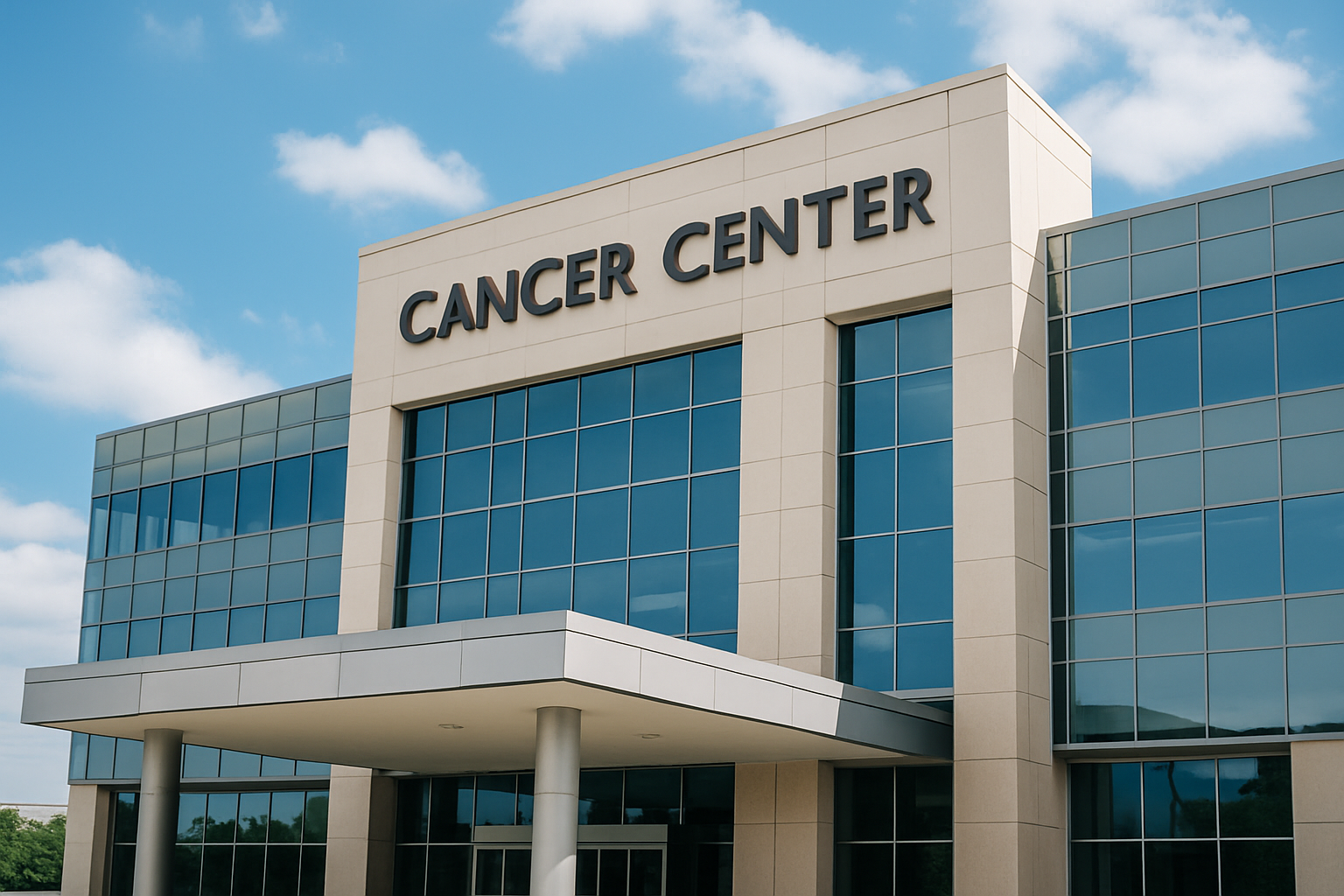
Understanding Cancer Hospitals in the United States
Cancer remains one of the world's most significant health challenges, and locating top-tier hospitals for its treatment is crucial for many patients and families. After seeing an intriguing Facebook ad about the "Top 10 Cancer Hospitals in the USA," you might wonder what makes these hospitals stand out and what you should consider when seeking cancer treatment. This article aims to answer these questions, shedding light on the critical factors that distinguish leading cancer care centers.
What Defines a Top Cancer Hospital?
Top cancer hospitals are often defined by their commitment to research, access to cutting-edge treatments, specialties in various cancer types, patient care quality, and overall survival outcomes. Let’s delve into these elements in detail:
- Research and Innovation: Leading hospitals are heavily involved in ongoing cancer research, often conducting clinical trials, which allow patients access to new therapies.
- Advanced Treatments: These hospitals offer state-of-the-art treatment options like targeted therapy, immunotherapy, and precision medicine.
- Specialized Care: They have dedicated departments for specific cancer types, ensuring expert care tailored to each patient's condition.
- Quality of Patient Care: High patient satisfaction and low complication rates often indicate superior care.
- Survival Rates: Statistics often show that top hospitals have higher cancer survival rates.
Top 10 Cancer Hospitals In USA
- University of Texas MD Anderson Cancer Center — MD Anderson is a cancer-focused academic medical center known for its deep specialization, large clinical trial portfolio, and broad cancer-type expertise. It has held the No. 1 U.S. News cancer spot for the 2025–2026 cycle. Reference: MD Anderson
- Memorial Sloan Kettering Cancer Center — MSK is one of the country’s best-known standalone cancer centers, recognized for highly specialized oncology care, major research programs, and extensive clinical trials across adult and pediatric cancers. Reference: Memorial Sloan Kettering
- Dana-Farber Brigham Cancer Center — Dana-Farber Brigham combines Dana-Farber’s research strength with Brigham’s hospital-based cancer care, with recognized expertise in areas such as cellular therapies, immuno-oncology, and multidisciplinary treatment. Reference: Dana-Farber Brigham Cancer Center
- Mayo Clinic Rochester — Mayo’s comprehensive cancer program stands out for team-based care, advanced therapies such as CAR-T and proton beam therapy, and the reach of its NCI-designated comprehensive cancer center across multiple campuses. Reference: Mayo Clinic Comprehensive Cancer Center
- Massachusetts General Hospital — Mass General’s cancer program is a major academic center known for coordinated specialty care, strong research integration, and access to advanced treatments through the Mass General Brigham Cancer Institute. Reference: Mass General Cancer Center
- Mount Sinai Hospital — Mount Sinai’s Tisch Cancer Center is an NCI-designated comprehensive cancer center that pairs clinical care with research and trials, and its hospital ranked No. 6 nationally for cancer in the 2025–2026 cycle. Reference: Mount Sinai Cancer
- UCSF Medical Center at UCSF Health — UCSF’s Helen Diller Family Comprehensive Cancer Center is known for personalized care, strong translational research, and advanced programs spanning medical, surgical, and radiation oncology. Reference: UCSF Cancer
- Johns Hopkins Hospital — The Sidney Kimmel Comprehensive Cancer Center at Johns Hopkins is a long-established leader in cancer science and treatment, with broad multidisciplinary care and access to hundreds of clinical trials. Reference: Johns Hopkins Kimmel Cancer Center
- Stanford Hospital at Stanford Health Care — Stanford combines leading-edge cancer research with compassionate care, and its cancer institute supports a large active clinical-trials program and advanced precision-medicine work. Reference: Stanford Cancer Institute
- City of Hope Comprehensive Cancer Center — Tied for No. 10, City of Hope is an NCI-designated comprehensive cancer center known for research-driven care, broad treatment services, and strength in translating discoveries into patient treatment. Reference: City of Hope
Key Factors to Consider When Choosing a Cancer Hospital
Choosing the right hospital can impact the success of cancer treatment. Here are some factors to consider:
- Accreditations: Look for hospitals accredited by organizations like the National Cancer Institute (NCI) and the Joint Commission. These accreditations ensure the hospital meets defined standards of quality and performance.
- Multidisciplinary Teams: The best hospitals offer a team-based approach where various specialists collaborate to create a comprehensive treatment plan.
- Access to Clinical Trials: Participating in clinical trials can provide access to new treatments not widely available.
- Support Services: Evaluate the availability of services such as counseling, nutrition advice, and rehabilitation, which are crucial for holistic cancer care.
The Latest Advancements in Cancer Treatment (2026)
The past few years have seen significant advancements in cancer treatment, enhancing the capabilities of top hospitals. Here are some of the most recent innovations:
- Immunotherapy: This treatment has revolutionized cancer care by harnessing the immune system to attack cancer cells more effectively. Recent trials have shown promising results in treating melanoma and lung cancer (National Cancer Institute).
- Precision Medicine: Analyzing genetic information to tailor treatment plans specific to the genetic makeup of an individual's cancer continues to show improved outcomes (Journal of Precision Medicine).
- Innovative Drug Combinations: Researchers are developing new drug combinations that can potentially overcome resistance typically seen in individual treatment regimens, resulting in prolonged disease control (The Lancet Oncology).
- Artificial Intelligence: Leveraging AI to predict treatment responses and personalize treatment plans is becoming an integral part of advancements in oncological care.
Real-World Benefits of Advanced Cancer Care
Patients receiving care at top-tier cancer hospitals often report significant benefits thanks to these advancements. For instance, a patient with advanced lung cancer participating in a precision medicine trial experienced a significant reduction in tumor size, translating to an improved quality of life and extended survival.
Conclusion: Making an Informed Decision
While deciding on a cancer hospital, it's vital to consider the institution's reputation, available treatments, and support services. Equipped with recent progress in cancer therapies, leading hospitals can provide promising outcomes. Be sure to discuss all available options with your healthcare provider to make an informed decision that aligns with your specific needs and circumstances.