Exploring the Leading Treatments in Oncology Today: A Comprehensive Guide
Explore the top 10 treatments for oncology that are making waves in the medical field. From innovative therapies to advanced research, these treatments show promise in improving patient outcomes. Gain insights into how these approaches are shaping the future of cancer care.
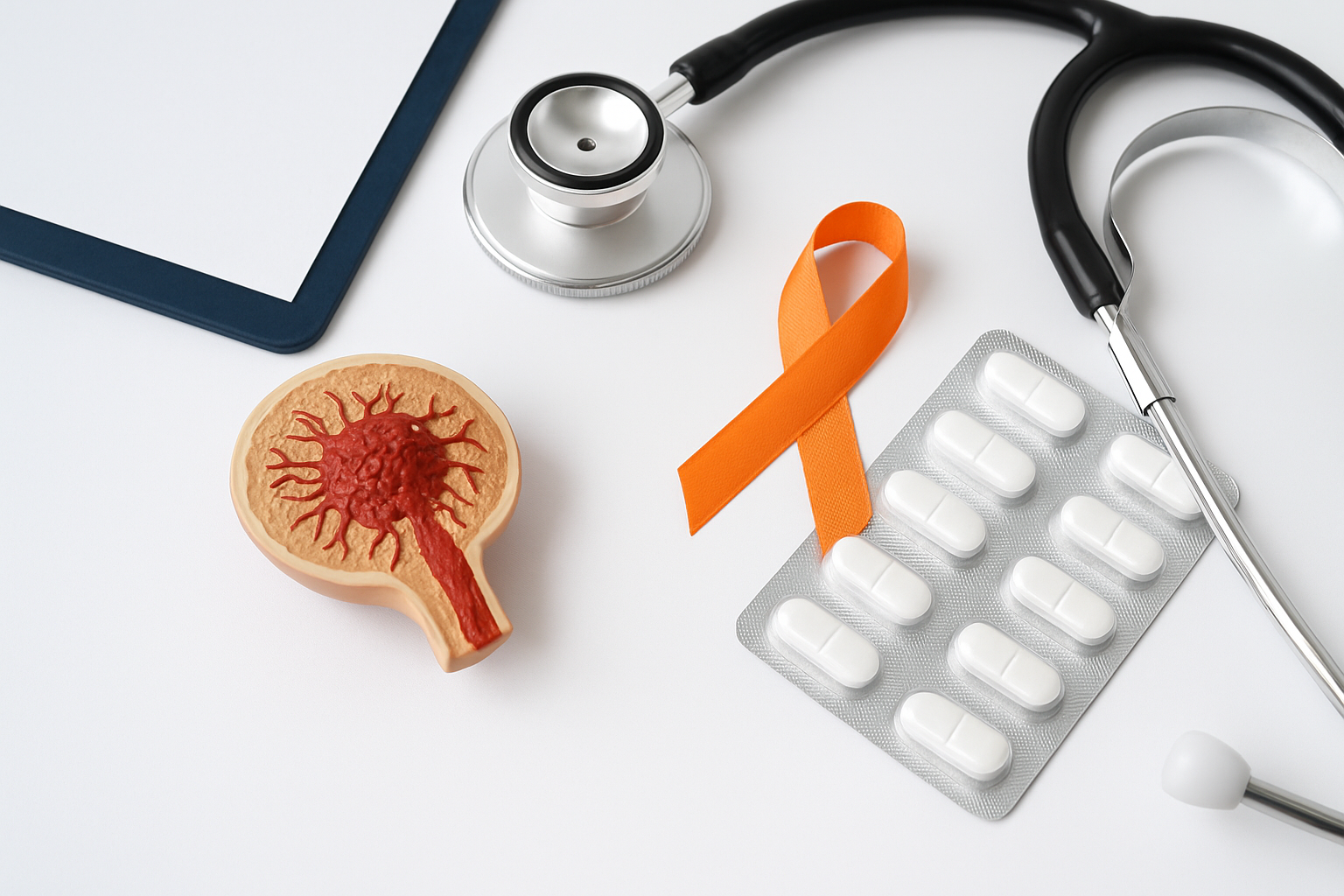
Understanding Oncology and Its Treatments
Oncology is the branch of medicine dedicated to the study, diagnosis, treatment, and prevention of cancer. Cancer remains a significant health challenge globally, with millions of new cases diagnosed each year. However, thanks to advances in research and technology, there are several effective treatments available today. In this article, we will discuss the top 10 treatments for oncology, offering insights into how they work and what patients might expect.
1. Surgery
Purpose and Procedure
Surgery is often the first step in cancer treatment, aiming to remove the tumor and some surrounding tissue. This method is most effective when the cancer is localized. Depending on the location and stage of the cancer, different surgical techniques might be employed, including minimally invasive procedures conducted with robotic assistance.
When is Surgery Used?
Surgery is primarily used for solid tumors that have not metastasized. It might also be part of a broader treatment plan that includes other therapies.
2. Chemotherapy
How Chemotherapy Works
Chemotherapy involves the use of potent drugs designed to kill rapidly dividing cancer cells. These drugs can be administered orally or intravenously and are often used in conjunction with other treatments.
Side Effects
While effective, chemotherapy can come with side effects such as nausea, fatigue, and hair loss, as it can also impact healthy fast-growing cells.
3. Radiation Therapy
Mechanism of Action
Radiation therapy uses high-energy particles or waves, like x-rays, to destroy or damage cancer cells. It's particularly beneficial for treating cancers that have a defined location.
Advancements in Technology
Recent advancements, such as image-guided radiation therapy (IGRT) and intensity-modulated radiation therapy (IMRT), allow for more precise targeting, minimizing damage to surrounding healthy tissue.
4. Immunotherapy
Boosting the Immune System
Immunotherapy leverages the body's immune system to fight cancer. Treatments like checkpoint inhibitors help unleash an immune attack on cancer cells. This approach has become a game-changer in treating certain types of cancer, such as melanoma and lung cancer.
Recent Developments
In 2026, research indicated significant improvements in the effectiveness of CAR T-cell therapy, a type of immunotherapy, showing improved survival rates in patients with certain blood cancers. [Source: National Cancer Institute]
5. Targeted Therapy
Precision Medicine
Targeted therapy involves drugs or other substances designed to attack specific cancer cells, usually by targeting single or multiple mutations present in those cells. Unlike chemotherapy, which affects all rapidly dividing cells, targeted therapy zeros in on specific molecular targets associated with cancer.
Examples and Efficacy
Drugs like imatinib, used for chronic myeloid leukemia, are a prime example of targeted therapy’s success. As research in genomics advances, more agents are being developed targeting specific cancer pathways. [Source: American Cancer Society]
6. Hormone Therapy
Role in Cancer Treatment
Hormone therapy is effective against cancers that rely on hormones for growth, such as breast and prostate cancers. This treatment works by blocking the body's ability to produce hormones or by interfering with hormone action.
Implementation and Impact
Common drugs used include tamoxifen and aromatase inhibitors for breast cancer. Hormone therapy is often part of a comprehensive treatment plan that might include surgery or radiation.
7. Stem Cell Transplant
Restoring Blood-Forming Cells
Stem cell transplants, including bone marrow transplants, replace damaged stem cells with healthy ones. They are particularly critical after intensive treatments like high-dose chemotherapy and radiation therapy.
Applications and Success Rates
This treatment is pivotal for those with leukemia, lymphoma, and multiple myeloma, offering a chance at remission. As of 2026, advancements in transplant techniques have significantly improved patient outcomes. [Source: American Cancer Society]
8. Photodynamic Therapy
Harnessing Light to Combat Cancer
Photodynamic therapy (PDT) involves using drugs activated by light to kill cancer cells. This treatment is best for cancers located on or just under the skin.
Success Stories
PDT has been effective in treating early-stage lung cancer, and ongoing research in 2026 explores its use in larger tumors and more varied cancer types.
9. Cryoablation
Freezing Cancer Cells
Cryoablation is a minimally invasive procedure involving freezing cancer cells with liquid nitrogen or argon gas to destroy them. It's often used for kidney and prostate cancers.
Advantages and Considerations
This treatment offers the potential for fewer side effects compared to traditional therapies and is generally safe for use in patients who aren't surgical candidates.
10. Gene Therapy
Revolutionizing Cancer Treatment
Gene therapy aims to replace or repair faulty genes responsible for cancer growth. Although still largely in the experimental phase, breakthroughs in 2026 highlight its potential, particularly in treating genetic predisposition to cancer.
Future Perspectives
As gene editing technologies like CRISPR/Cas9 advance, the prospects for more customized, effective treatments are promising.
Conclusion: Navigating the Future of Cancer Treatment
As we journey through 2026, ongoing research and innovation continue to reshape the landscape of oncology treatments. The efficacy and safety of these therapies depend on individual patient factors and the specific cancer type. Collaborating with multidisciplinary teams ensures patients receive holistic care tailored to their needs. These advancements provide hope and pathways towards more successful outcomes in managing cancer.
blogs/how-cancer-treatment-has-evolved
cancer-types/gynaecological-cancers/treatment-options
https://www.moga.org.au/what-is-oncology