Exploring the Most Comfortable Dental Implant Solutions
Discovering the least painful treatment for dental implants is crucial for many seeking this procedure. While various methods claim to minimize discomfort, individual experiences can vary.
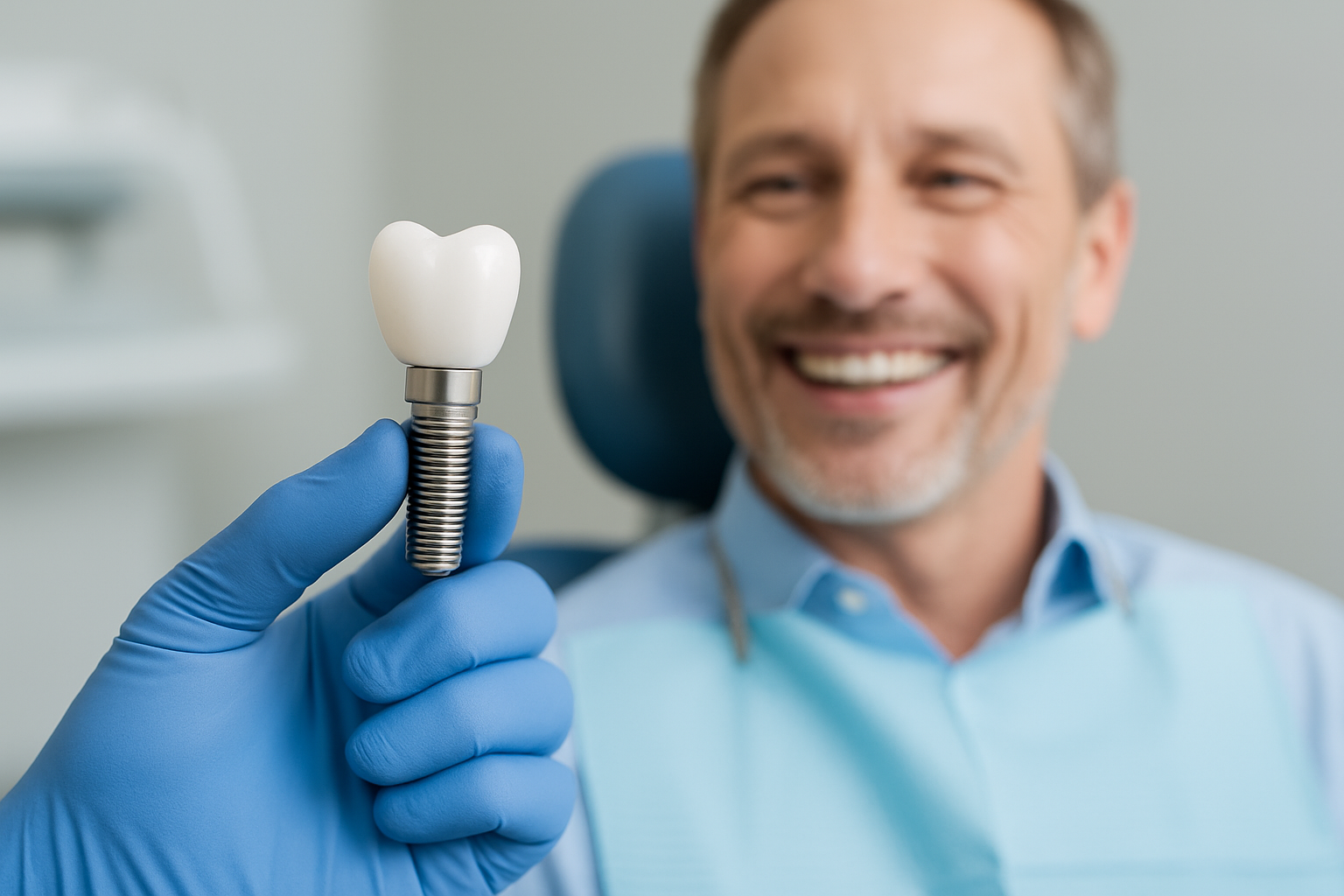
Understanding Dental Implants
Dental implants have revolutionized the field of dentistry by providing a long-lasting solution for missing teeth. Unlike dentures or bridges, which require periodic maintenance and potential replacements, dental implants are designed to integrate with the jawbone, offering stability and durability.
At the core of their function, dental implants serve as artificial roots, usually made of titanium, that provide a strong foundation for fixed or removable replacement teeth. The process, although effective, can be daunting for many due to fears about pain. Let's explore which methods and techniques ensure the least discomfort and the best outcomes.
The Process of Getting Dental Implants
Receiving dental implants involves several stages, each critical in ensuring the implant's success:
- Initial Consultation: A thorough examination to assess the suitability of dental implants, including X-rays and, sometimes, 3D imaging, to plan the procedure meticulously.
- Surgical Procedure: The placement of the implant into the jawbone under local anesthesia. For those concerned about pain, conscious sedation or general anesthesia can be considered based on the complexity of the case.
- Osseointegration: A crucial phase where the implant and jawbone fuse, taking several weeks to a few months. During this time, it’s vital to follow the dentist’s post-operative care instructions to minimize pain and complications.
- Abutment and Crown Placement: Once the implant is securely integrated, an abutment is attached, and a crown is placed to restore the tooth’s appearance and function.
Pain Management in Dental Implants
Pain perception varies from one individual to another, but advancements in technology and anesthetics have minimized the discomfort associated with dental implant procedures. Below are strategies and treatments considered the least painful:
Choosing the Least Painful Treatment
Thanks to modern advancements, the process of receiving dental implants has become more patient-friendly. Here are some techniques and options that make the procedure less painful:
1. Minimally Invasive Techniques
Minimally invasive techniques such as flapless surgery require tiny incisions, leading to reduced trauma, quicker healing, and less post-operative pain. These methods are particularly beneficial for patients with sufficient bone density where traditional surgery might be unnecessary.
2. Advanced Anesthetic Options
The fear of pain can be addressed with advanced anesthetic techniques:
- Local Anesthesia: Numbs the specific area, allowing the patient to be awake but pain-free during the procedure.
- Conscious Sedation: Includes options like oral sedatives or intravenous sedation, helping the patient relax during the procedure with minimal discomfort.
- General Anesthesia: Reserved for complex cases, it ensures the patient is completely unconscious and devoid of pain perception throughout the surgery.
3. Pain Management Medications
Post-operative discomfort is managed effectively with prescribed medications. Over-the-counter options like ibuprofen or acetaminophen can alleviate mild pain, while stronger prescriptions are available for more significant discomfort. Always follow the dentist's advice on suitable medications.
Real-life Examples and Patient Experiences
Many patients report that the actual implant placement is less painful than they anticipated. According to a recent study in 2026 by the Global Dental Organization, over 80% of patients felt less pain than expected, attributing this to enhanced techniques and anesthesia.
For instance, Sarah, a 45-year-old teacher from Chicago, shared, "I was really nervous about the procedure, but my dentist talked me through every step. I opted for conscious sedation and felt very little pain. The recovery was easier than expected too."
Expert Tips for a Comfortable Recovery
Ensuring a smooth recovery is instrumental in minimizing pain post-surgery. Here are expert suggestions to expedite healing:
- Follow the Dentist's Instructions: Adhere strictly to care guidelines to prevent infections and promote healing.
- Maintain a Soft Diet: Consume soft foods initially to avoid disturbing the implant area.
- Apply Cold Compresses: Help to reduce swelling and numb the area, easing discomfort.
- Practice Good Oral Hygiene: But be gentle around the implant area to prevent irritation.
Conclusion
Dental implants, though involving a process that may sound daunting, can be virtually pain-free with the correct approach and advancements in dental techniques. Choosing experienced professionals, understanding available pain management options, and adhering to recovery instructions are paramount in ensuring a comfortable experience.
It's vital to have an open discussion with your dental professional about any concerns, ensuring you have all the information needed to feel confident and pain-free throughout your dental implant journey.
For further information on the latest in dental implant technologies and patient care, reliable resources like the World Dental Federation remain valuable for ongoing education and updates.