Exploring the Most Comfortable Options for Dental Implant Procedures
Discover the least painful treatment for dental implants in our latest guide. Dental implants can be daunting, but exploring various treatment options can make your experience more comfortable.
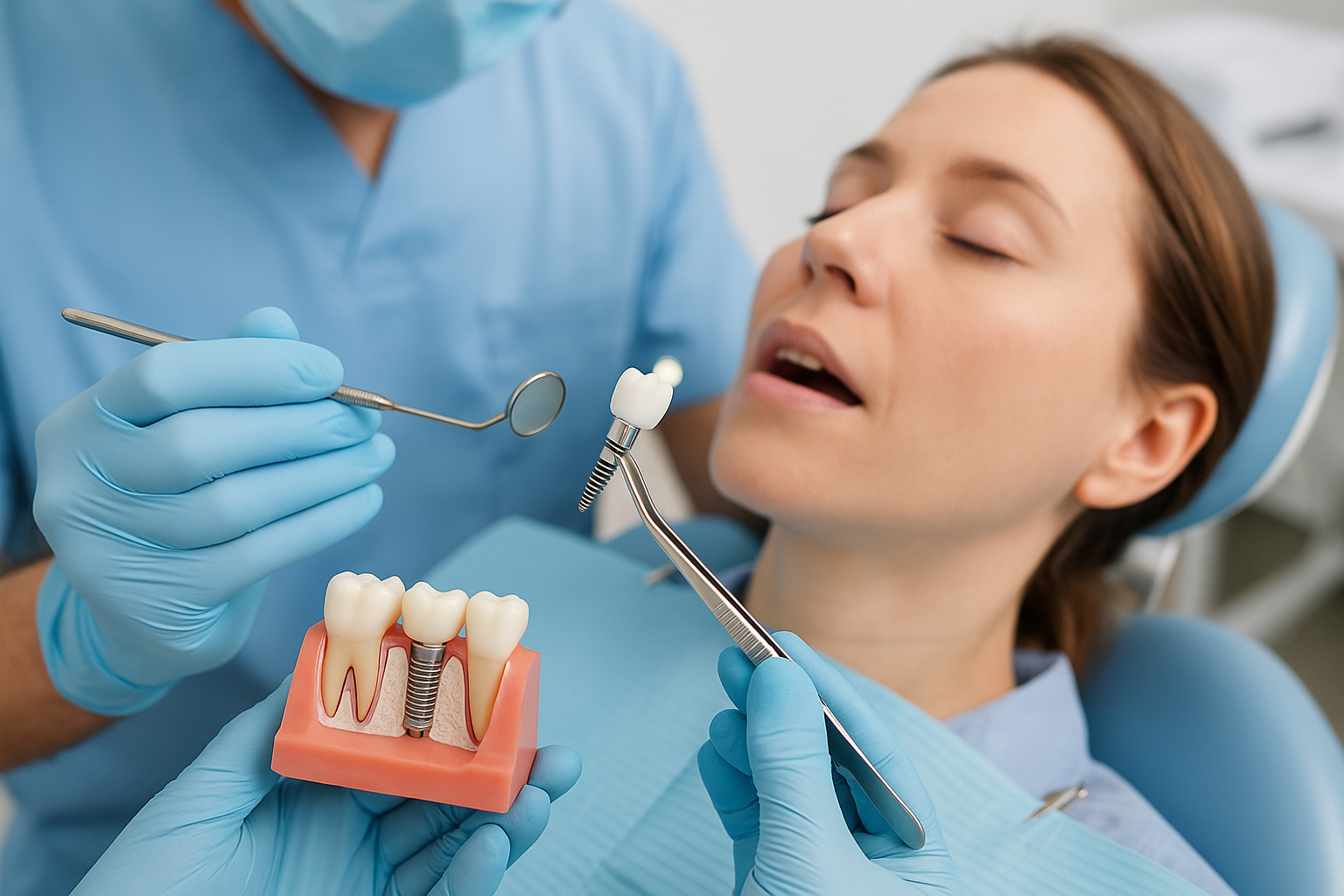
Understanding Dental Implants
Dental implants have become a popular choice for individuals seeking to replace missing or damaged teeth. The procedure involves surgically placing a titanium post into the jawbone, which then acts as a foundation for an artificial tooth. The aim is to replicate the natural function and appearance of a tooth. However, many are concerned about the pain associated with this procedure.
In recent years, advancements in dental technology and methodologies have made the process less invasive and more comfortable for patients. But which treatment for dental implants is the least painful?
What Makes a Dental Implant Procedure Painful?
Pain perception varies from person to person, making it important to understand the factors contributing to discomfort during and after the implant procedure. These factors include:
- Initial surgical incision
- Drilling into the jawbone
- Post-operative healing and integration
While the surgery involves these inherently invasive elements, the introduction of various pain management techniques and less invasive procedures have significantly reduced discomfort for patients undergoing dental implants.
Exploring Pain Management Options
To address concerns about pain, dental professionals offer a variety of sedation and anesthesia options. Tailoring pain management techniques to meet patient needs is crucial to minimize discomfort.
Local Anesthesia
Local anesthesia is the most common method to numb the specific area where the implant will be placed. This ensures that patients do not feel pain during the procedure, though they remain conscious. Most discomfort reported by patients is manageable post-surgery.
Conscious Sedation
For patients who are anxious about the surgery, conscious sedation may be recommended. Methods such as oral sedatives or IV sedation can help patients feel relaxed and may result in amnesia regarding the procedure, though they technically remain awake.
General Anesthesia
Reserved for extensive procedures, general anesthesia renders the patient completely unconscious during the operation. While this option ensures zero pain awareness during surgery, it requires a longer recovery period and carries a higher risk of complications.
Minimizing Pain: Least Invasive Techniques
Dentists continuously seek to reduce postoperative pain and improve patient experience. Recent technological advancements have paved the way for less invasive implant techniques.
Guided Implant Surgery
One innovative method is computer-guided implant surgery, which increases accuracy and reduces tissue trauma. Using digital imaging, dentists can create a precise surgical guide, minimizing incisions and tissue manipulation.
All-on-4 Implants
The All-on-4 technique is another approach that offers reduced surgery times and quick recovery. This involves placing four strategically positioned implants to support an entire arch of teeth, often requiring less bone grafting.
Piezosurgery
Piezosurgery uses ultrasonic vibrations to make bone cuts while preserving soft tissue. This precision reduces inflammation and speeds up the healing process, resulting in less postoperative pain.
Post-Operative Care and Pain Management
Post-operative care plays a significant role in minimizing discomfort after dental implant surgery. Following the dentist's aftercare instructions is crucial for a smooth recovery.
Pain Relief Medications
Over-the-counter painkillers like ibuprofen and acetaminophen can manage mild pain. For more severe cases, dentists might prescribe stronger medication.
Ice Packs
Applying ice packs to the outside of the jaw can help reduce swelling and numb pain temporarily. It's usually recommended during the first 24–48 hours post-surgery.
Soft Diet
Avoid eating hard or crunchy foods immediately after the procedure. A soft diet helps prevent irritation and allows healing without stressing the implants.
Conclusion
While any surgical procedure can involve some level of discomfort, dental implant advancements and comprehensive pain management options have made it much less daunting. For most patients, a combination of pain relief medications, tailored anesthesia, and advanced surgical techniques ensure the least painful experience possible.
As technology progresses, dental professionals continuously strive to refine their methods, offering patients innovative solutions to alleviate fear and ensure successful outcomes. Always consult with your dental care provider to discuss the best options tailored to your specific needs and concerns.
For further reading and more information, consider exploring these sources: