Exploring the Most Effective Medications for Managing Cholesterol Levels
Explore the top 5 medications for cholesterol issues and learn how they can potentially aid in managing your levels. This insightful guide reviews current treatment options, focusing on effectiveness and considerations without promising cures.
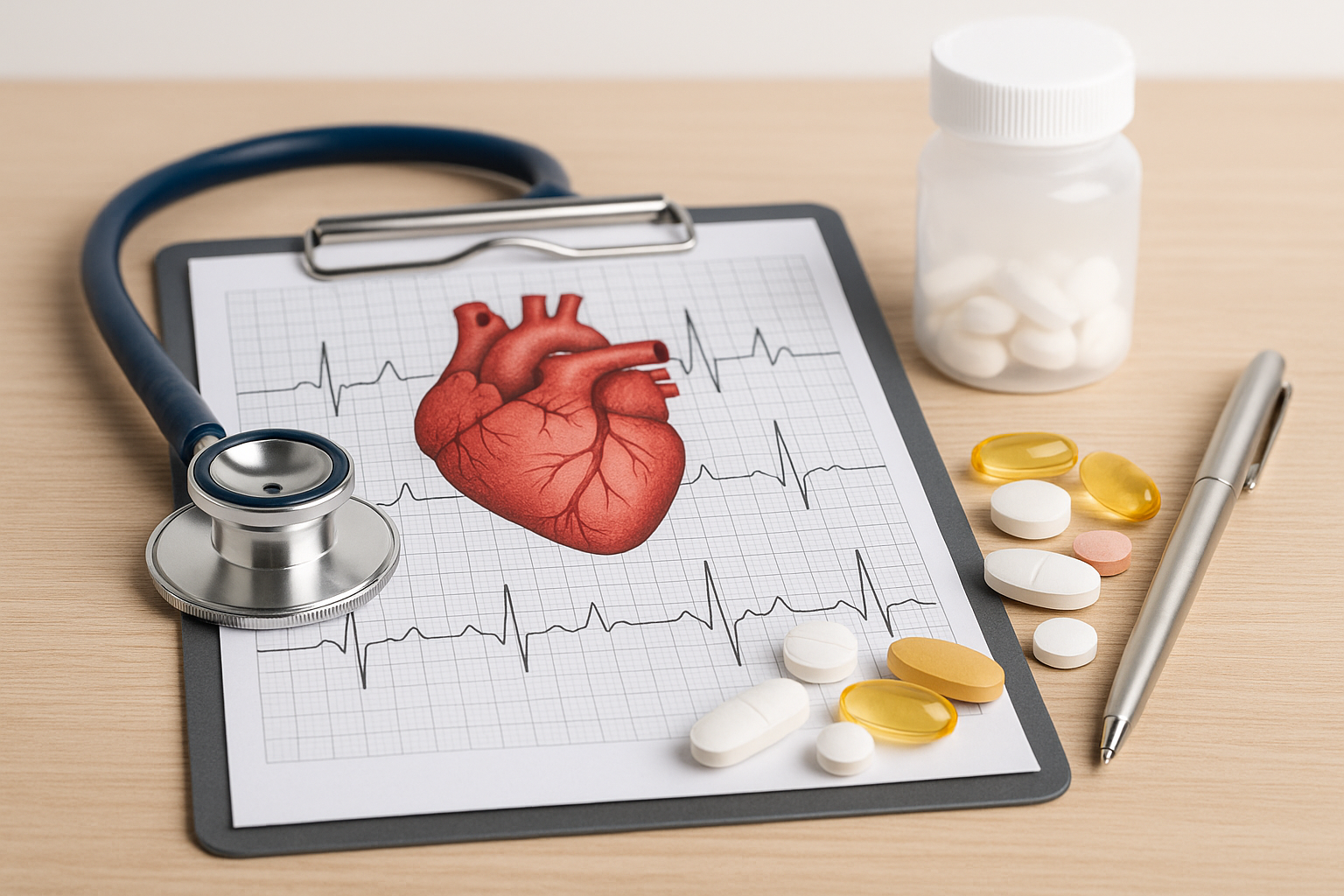
Understanding Cholesterol and Its Impact on Health
Cholesterol is a waxy substance found in your blood, essential for building healthy cells. However, high levels can increase the risk of heart disease. Understanding the role of cholesterol in your body and how different medications can help manage it is crucial for cardiovascular health.
What is Cholesterol?
Cholesterol is produced by the liver and also absorbed from foods like meat, dairy, and eggs. It travels through the bloodstream on proteins called lipoproteins. There are two types of lipoproteins to be aware of:
- Low-Density Lipoprotein (LDL): Often termed "bad" cholesterol, high levels can lead to buildup of cholesterol in arteries.
- High-Density Lipoprotein (HDL): Known as "good" cholesterol, it helps transport cholesterol away from the arteries and back to the liver to be expelled from the body.
Maintaining a balance between LDL and HDL is key to reducing cardiovascular risks.
Top Five Medications for Managing Cholesterol
Medication is often prescribed when lifestyle changes alone are not enough to reach optimal cholesterol levels. Here's a closer look at the top five medications used in managing cholesterol issues.
1. Statins
Statins are the most common cholesterol-lowering drugs. They work by blocking a substance your liver uses to make cholesterol. Statin medications include atorvastatin (Lipitor), simvastatin (Zocor), and rosuvastatin (Crestor).
How Statins Work: Statins effectively reduce LDL levels, increasing blood flow and reducing the risk of heart attack. Most patients see a reduction in LDL cholesterol by about 20% to 50%.
2. Ezetimibe
Ezetimibe (Zetia) reduces blood cholesterol by limiting the absorption of dietary cholesterol. It is often prescribed as a complement to statins when additional LDL reduction is needed.
Benefits of Ezetimibe: Studies show that combining ezetimibe with a statin can lead to a further reduction in LDL cholesterol. This combination can be particularly beneficial for those who cannot tolerate high doses of statins (Journal of Cardiology, 2026).
3. PCSK9 Inhibitors
PCSK9 inhibitors are a newer class of cholesterol-lowering drugs. They are typically administered via injection and include medications like alirocumab (Praluent) and evolocumab (Repatha).
Function: These drugs help the liver absorb more LDL cholesterol, effectively lowering the amount in the bloodstream. They are particularly helpful for patients with genetic conditions that cause extremely high LDL levels (Cardiology Today, 2026).
4. Bile Acid Sequestrants
Bile acid sequestrants, such as cholestyramine (Questran) and colesevelam (Welchol), work by binding to bile acids, prompting the liver to use excess cholesterol to produce more bile acids, thereby reducing blood cholesterol levels.
Applications: While effective, these medications can cause gastrointestinal side effects. They are often prescribed when statins are not suitable for the patient.
5. Fibrates
Fibrates, like fenofibrate (Tricor) and gemfibrozil (Lopid), are particularly effective at reducing triglycerides and, to a lesser extent, increasing HDL cholesterol.
Utility: Fibrates can be prescribed alongside other cholesterol-lowering drugs to people with mixed dyslipidemia, a condition characterized by elevated LDL, high triglycerides, and low HDL cholesterol (Harvard Health, 2026).
Lifestyle Changes to Support Medication
While medications are effective, combining them with lifestyle changes can significantly improve heart health. Here are some recommended lifestyle adjustments:
- Diet: Embrace a heart-healthy diet rich in fruits, vegetables, whole grains, and lean proteins.
- Exercise: Regular aerobic exercise can help improve cholesterol levels.
- Weight Management: Losing weight can aid in lowering cholesterol levels, especially if you are overweight.
- Quit Smoking: Quitting smoking can improve HDL cholesterol and overall heart health.
When to Consult Your Doctor
It's essential to consult with your healthcare provider before making any changes to your medication regimen. They can provide guidance tailored to your specific health needs, factoring in your cholesterol levels, risk factors, and potential side effects.
Remember, managing cholesterol often requires a multifaceted approach that includes medication, lifestyle adjustments, and regular medical check-ups to ensure efficacy and safety.
References
- Statins
https://medlineplus.gov/statins.html - Ezetimibe (Zetia)
https://medlineplus.gov/druginfo/meds/a603016.html - PCSK9 Inhibitors
https://medlineplus.gov/pcsk9inhibitors.html - Bile Acid Sequestrants
https://medlineplus.gov/bileacidsequestrants.html - Fibrates
https://medlineplus.gov/fibrates.html