Exploring the Nothing Phone: Could It Be the Ideal Smartphone for 2026?
So, you're thinking ahead to 2026 and wondering if the Nothing Phone is the right move. It's a great question, as buying a phone is a bet on the future.
The Design Philosophy: Standing Out in a Sea of Sameness
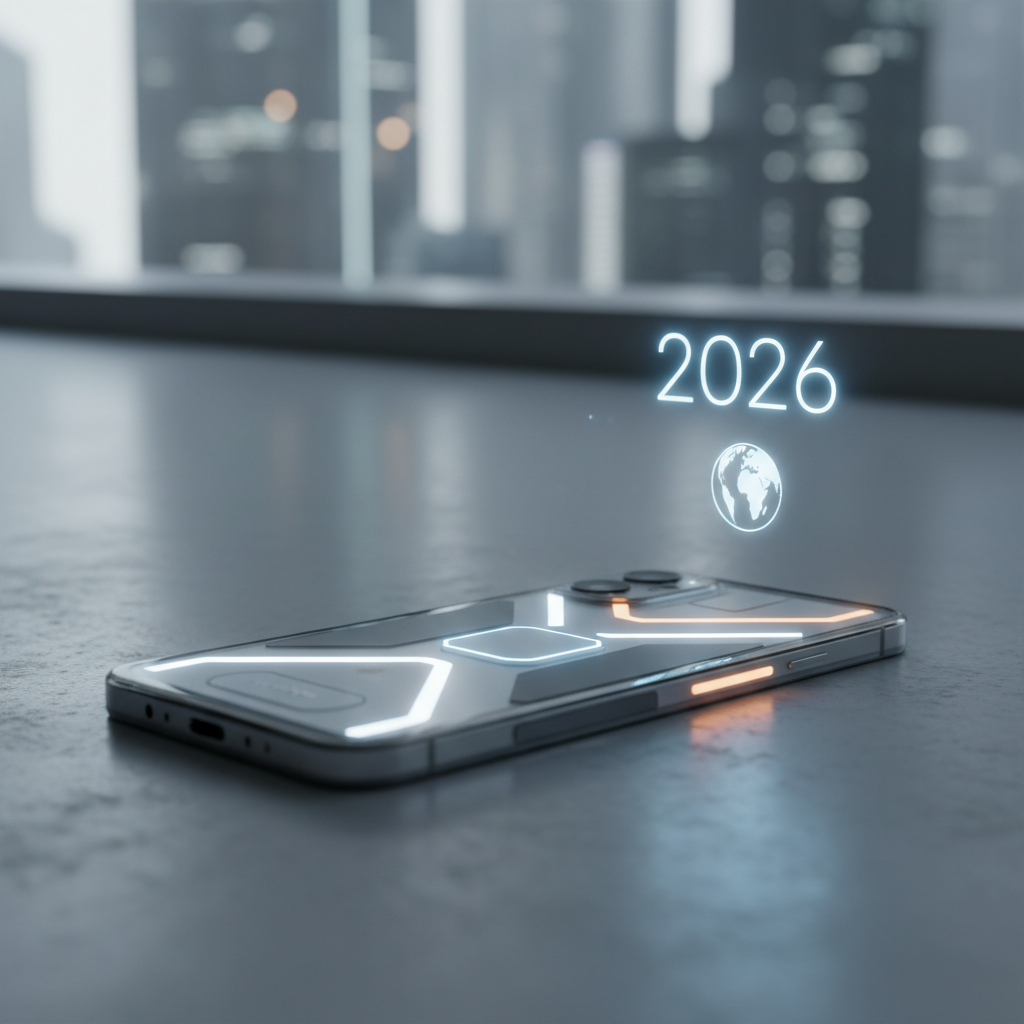
One of the most compelling arguments for any Nothing Phone is its unwavering commitment to a unique design language. In an industry dominated by glass slabs that are often indistinguishable from one another, Nothing has carved out a distinct identity with its transparent back panels. This design choice isn't just for show; it's a deliberate statement about transparency and a desire to reconnect users with the technology they use every day. By 2026, this philosophy will likely have evolved, but its core principle of differentiation will remain a major selling point.
As we look toward 2026, we can anticipate Nothing refining this aesthetic. This could involve using new, more durable and sustainable materials for the transparent elements, or integrating the components underneath in even more artistic ways. While competitors focus on new colors or minor camera bump adjustments, Nothing's design could become even more iconic. For consumers tired of conformity, a phone that doubles as a piece of industrial art will hold significant appeal, making it a strong contender on looks alone.
Nothing OS: A Clean and Intentional Android Experience
Beyond its external hardware, the software experience is a critical pillar of the Nothing value proposition. Nothing OS is built on a foundation of providing a clean, bloatware-free version of Android. It closely resembles the "stock" Android experience found on Google's Pixel devices but is overlaid with Nothing's signature dot-matrix font and minimalist widgets. This focus on speed and fluidity is a refreshing change from many other manufacturers who heavily modify Android with their own apps and services, which can slow the device down over time.
For a phone to be a viable choice in 2026, long-term software support is non-negotiable. Nothing has committed to multiple years of Android version updates and security patches, a crucial factor for longevity and user security. By 2026, their track record on delivering these updates will be well-established. If they maintain this promise, a Nothing Phone purchased then would offer a pure, fast, and secure software experience that respects the user's desire for a clean and efficient interface, free from unnecessary clutter.
The Glyph Interface: More Than Just Lights?
The Glyph Interface—the array of LED light strips on the back of the phone—is Nothing's most recognizable feature. In its current form, it serves as an advanced notification light, a charging indicator, a fill light for the camera, and can sync with ringtones. While some may see it as a gimmick, its potential is far greater. By 2026, the Glyph Interface is expected to be a much more mature and integrated platform, transforming it from a novelty into an essential feature.
The true potential lies in deeper third-party app integration. Imagine your Uber's arrival being tracked by a depleting light strip, or a specific Glyph pattern pulsing to indicate a message from a priority contact. As Nothing opens up the developer kit (SDK) for the Glyphs, we could see a vibrant ecosystem of creative uses. By 2026, this feature could offer a way to get essential information without ever turning on the screen, promoting digital well-being and offering a unique, at-a-glance communication method that no other smartphone provides.
Performance and Hardware: A Focus on Balanced Value
Nothing has strategically positioned itself by not always chasing the absolute latest and most powerful processor. Instead of using the top-tier Snapdragon chip, they often opt for a flagship-tier processor from the previous generation or a high-end mid-range chip. This is a clever move that provides more than enough power for the vast majority of users while keeping the device's cost more accessible. This philosophy of "balanced performance" delivers a smooth and responsive experience without the premium price tag associated with bleeding-edge components.
Looking ahead to 2026, this strategy could be even more relevant. As mobile processors become increasingly powerful, the real-world performance difference between the absolute best chip and a "one-step-down" model becomes less noticeable for everyday tasks. By focusing on optimizing the software to run perfectly on carefully selected hardware, Nothing can deliver a flagship-level experience without the flagship cost. This focus on practical value over benchmark scores will resonate with savvy consumers who want a great phone, not just a list of the most expensive specs.
The Growing Nothing Ecosystem
A smartphone today doesn't exist in a vacuum. The strength of its ecosystem—the collection of interconnected devices and services—plays a huge role in its overall appeal. Nothing understands this well, having started with audio products like the Ear (1) and Ear (2) earbuds. They've also launched the CMF sub-brand to offer more affordable accessories. This multi-pronged approach is designed to create a seamless user experience similar to what Apple users enjoy.
By 2026, this ecosystem will be significantly more mature. We can expect a wider range of audio products, wearables like a smartwatch, and perhaps even chargers and other accessories that all work together flawlessly. Imagine earbuds that instantly pair, a watch that deeply integrates with Nothing OS notifications, and features that pass seamlessly from one device to another. A cohesive and well-designed ecosystem would make the Nothing Phone not just a standalone product, but the central hub of a user's digital life, making it a much more compelling choice.
The Journey of Nothing: From Hype to a Global Contender
To understand where Nothing might be in 2026, it's important to look at its origins. Founded by Carl Pei, a co-founder of the popular smartphone brand OnePlus, Nothing launched with a clear mission: to make tech fun again. The company generated immense hype before it even released a product, beginning with the Ear (1) earbuds in 2021. This first launch set the stage with the brand's signature transparent design and a focus on community-driven marketing.
The real test came with the launch of the Nothing Phone (1) in 2022. It was a bold entry into a crowded market, and its success was built on delivering a unique design and a clean software experience at a competitive price. The Phone (2) followed, refining the formula with a more powerful processor and a more functional Glyph Interface. This iterative approach shows a company that listens to feedback and is focused on steady improvement rather than reinventing the wheel each year. This foundation of building a loyal community and gradually improving its core products is what positions it as a potential major player by 2026.
Exploring Key Considerations for 2026
While the current trajectory is promising, several factors will influence whether a Nothing Phone is the "best" choice in the future. The tech landscape is constantly shifting, and Nothing's ability to adapt will be crucial.
How Will AI Shape the Nothing Phone Experience?
Artificial Intelligence is rapidly becoming the next major frontier in smartphones. By 2026, on-device AI and AI-powered features will be standard. The key question is how Nothing will integrate this technology. Given their focus on intentional and minimalist design, they are unlikely to simply cram in AI features for the sake of it. Instead, we might see thoughtful integrations that enhance the user experience without adding complexity.
For example, AI could make the Glyph Interface predictive, learning which notifications are important to the user and assigning unique light patterns automatically. It could also be used to further optimize battery life and performance in the background, reinforcing the brand's promise of a smooth experience. A successful AI strategy for Nothing will be one that feels helpful and intuitive, not intrusive, fitting perfectly within their existing brand philosophy.
Can Nothing Compete with Foldables and New Form Factors?
The smartphone market is slowly moving beyond the traditional "slab" form factor. Foldable phones from giants like Samsung, Google, and others are becoming more common and affordable. By 2026, this category will be much more mature, and there may even be new form factors like rollable or transparent displays entering the mainstream.
Nothing will face a strategic choice: join the foldable race or continue to perfect its unique take on the traditional smartphone. As a smaller company, attempting to compete directly with Samsung's massive research and development budget in foldables could be risky. A more likely path is that Nothing will stick to its guns, arguing that a highly refined, beautifully designed, and enjoyable-to-use slab phone is what most people still want. Their success will depend on making their standard phone so compelling that it remains an attractive alternative to more exotic form factors.
What About Price and Global Accessibility?
A major part of Nothing's early success has been its competitive pricing. It has offered a near-flagship experience at an upper-mid-range price point. Maintaining this value proposition is essential. As the company grows and its technology becomes more sophisticated, there will be pressure to increase prices. Finding the right balance between premium features and accessibility will be a key challenge.
Furthermore, to be considered the "best" choice for a wide range of people, the phone needs to be easily available. This means forging more partnerships with mobile carriers around the world, especially in the crucial North American market. If Nothing can scale its production, maintain its value-focused pricing, and make its phones as easy to buy as an iPhone or a Samsung Galaxy, its chances of being a top contender in 2026 increase dramatically.
Conclusion
Predicting the best smartphone of 2026 is a difficult task, but the Nothing Phone has a strong case to be a top contender. Its potential doesn't lie in having the highest specs or the most cameras. Instead, its strength is in its unique vision for what a smartphone should be: a device that is thoughtfully designed, a joy to use, and respectful of the user's attention. The choice in 2026 will come down to whether Nothing can successfully evolve its standout features like the Glyph Interface, maintain its promise of a clean and fast software experience, and build a robust ecosystem around its core product. If it can navigate the challenges of AI integration and market competition, Nothing could very well offer not just a different choice, but one of the best choices for smartphone users.
For more information on the company's products and philosophy, you can visit the official Nothing website or read in-depth reviews from publications like The Verge.