Exploring the Possibility: Renting a Stairlift for Your Home Needs
Yes, you can absolutely rent a stairlift, and for many people, it's the perfect solution for a temporary need.
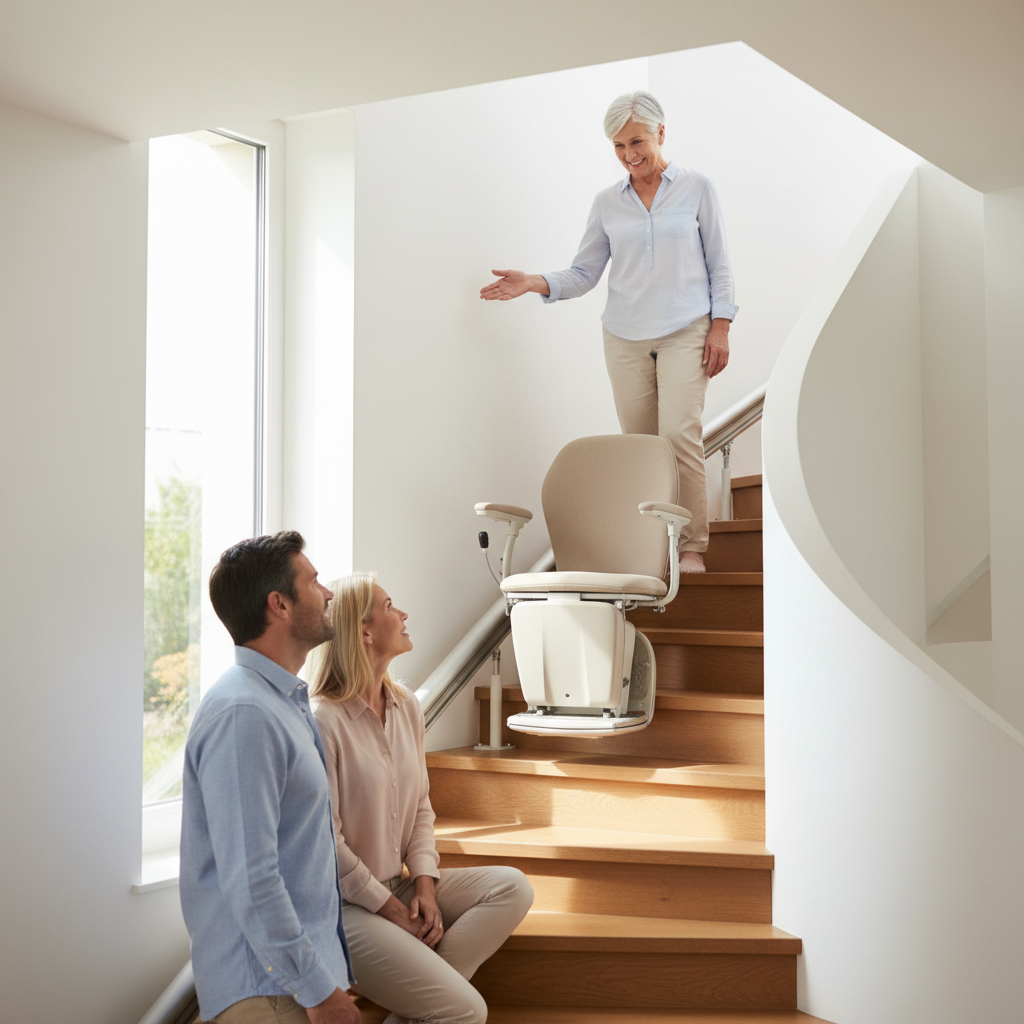
Renting a Stairlift: A Comprehensive Guide to Temporary Home Accessibility
For individuals facing temporary mobility challenges, navigating a multi-story home can become a significant obstacle. Whether it's due to post-surgery recovery, a short-term illness, or accommodating a visiting relative with limited mobility, the need for a safe and reliable way to use the stairs is paramount. While purchasing a stairlift is a common long-term solution, many wonder if a more flexible, short-term option exists. The answer is a definitive yes: you can absolutely rent a stairlift.
Renting offers a practical and cost-effective alternative to buying, providing the benefits of a stairlift without the long-term commitment and higher upfront cost. This guide explores everything you need to know about the stairlift rental process, from why you might consider it to the specific costs and logistics involved.
Why Consider Renting a Stairlift Instead of Buying?
The decision to rent versus buy often comes down to individual circumstances and the expected duration of need. Renting is particularly well-suited for temporary situations where the investment in a permanent installation doesn't make financial or practical sense.
Key Scenarios for Renting
- Post-Surgery Recovery: After procedures like hip or knee replacement, a stairlift can be a crucial tool for a safe recovery at home. Renting allows you to have the equipment for the few months needed without a permanent fixture.
- Short-Term Illness or Injury: For non-chronic conditions or injuries that temporarily limit mobility, a rental provides a perfect stop-gap solution to maintain independence within the home.
- Accommodating Guests: If an elderly parent or a relative with mobility issues is staying for an extended period, renting a stairlift can make their visit more comfortable and safer for everyone.
- End-of-Life Care: In situations where a loved one wishes to spend their final months at home, a rental can provide dignity and accessibility without the financial burden of a purchase.
- Testing Before Buying: Some individuals may be unsure if a stairlift is the right long-term solution. Renting for a few months can serve as a trial period to assess its usefulness and comfort before committing to a purchase.
- Financial Constraints: The upfront cost of purchasing and installing a new stairlift can be substantial. Renting breaks this cost down into a more manageable one-time installation fee and a recurring monthly payment.
The Stairlift Rental Process: A Step-by-Step Overview
Renting a stairlift is a straightforward process handled by professional mobility companies. While specifics can vary slightly between providers, the general steps remain consistent. Understanding this process can help you know what to expect.
Step 1: Initial Consultation and Assessment
The first step is to contact a reputable stairlift provider that offers rental services. During this initial call or meeting, you'll discuss your specific needs, the layout of your staircase, and the expected duration of the rental. The company will ask questions to determine the user's mobility level and whether a straight or curved stairlift is required.
Step 2: Home Survey and Measurement
A trained technician will visit your home to conduct a detailed survey of your staircase. They will take precise measurements, check for any obstructions (like doorways or tight corners at the top or bottom), and assess the overall suitability for installation. This step is critical to ensure the chosen stairlift fits perfectly and operates safely. It's also an excellent opportunity for you to ask the technician any specific questions you may have.
Step 3: Quotation and Agreement
Based on the home survey, the company will provide a detailed quotation. This quote should clearly break down all the costs involved, including a one-time fee for installation and removal, and the recurring monthly rental fee. You will then review and sign a rental agreement that outlines the terms of service, including maintenance responsibilities and the process for ending the rental.
Step 4: Professional Installation
Once the agreement is signed, an installation date will be scheduled. Professional installers will fit the stairlift rail directly to the stair treads, not the wall, ensuring no structural damage to your home. The installation process is typically quick, often completed in just a few hours. The technicians will then demonstrate how to use the stairlift safely, including all its features like the seatbelt, remote controls, and swivel seat.
Step 5: Ongoing Support and Maintenance
A significant benefit of renting is that maintenance and repairs are almost always included in the monthly fee. If the stairlift malfunctions, the rental company is responsible for sending a technician to fix it at no additional cost to you. This peace of mind is a major advantage over owning a unit, where you would be responsible for repair costs.
Step 6: End of Rental and Removal
When the stairlift is no longer needed, you simply notify the rental company. They will schedule a time to come and professionally remove the equipment. The removal process is as clean and efficient as the installation, leaving your staircase with only a few small, easily-fillable screw holes in the treads.
The Evolution of Home Mobility Solutions
The concept of helping people navigate stairs is not new, but the technology has evolved dramatically over the centuries. Early versions were often rudimentary, custom-built contraptions for royalty or the very wealthy. King Henry VIII is often cited as having an early form of a "stair-throne" to carry him up and down stairs in his palace. However, the modern, commercially available stairlift has its roots in the early 20th century. An entrepreneur named C.C. Crispen created the first prototype in the 1920s to help an ailing friend travel between floors in his home. This invention, originally called the "Inclin-ator," laid the groundwork for the industry.
For decades, these devices were bulky, functional, and often seen as purely medical equipment. However, as populations have aged and the desire for "aging in place" has grown, the industry has responded with significant innovation. Today's stairlifts are sleek, quiet, and designed to blend with home decor. They incorporate advanced safety features like obstruction sensors, rechargeable batteries that work during power outages, and ergonomic controls. The rise of rental options is another key part of this evolution, acknowledging that mobility needs are not always permanent and providing a flexible solution that aligns with modern consumer expectations for service-based models over ownership.
Common Questions About Stairlift Rentals
As you consider your options, several common questions often arise. Addressing these can help clarify the rental process and determine if it's the right choice for your situation.
Can You Rent a Stairlift for a Curved Staircase?
This is one of the most frequently asked questions, and the answer is nuanced. While it is technically possible to rent a stairlift for a curved staircase, it is far less common and often not cost-effective. The reason lies in the manufacturing process. Straight stairlift rails are mass-produced and interchangeable, making them easy to stock and reuse for rentals. In contrast, a rail for a curved or complex staircase must be custom-fabricated to the exact specifications of that individual staircase.
Because the rail is custom-made, it cannot be reused in another home, making it a sunk cost for the rental company. Therefore, most companies will require you to purchase the custom rail outright while renting the chair and motor unit. This results in a much higher upfront cost, often diminishing the financial benefits of renting. For this reason, most stairlift rentals are exclusively for straight staircases.
What Are the Alternatives to Renting a Stairlift?
If renting isn't the right fit, especially for those with curved stairs or a longer-term need, several other options are available. The most obvious alternative is to purchase a new stairlift. This provides a brand-new unit with a full manufacturer's warranty and is the best option for permanent or long-term mobility needs. Another popular choice is to buy a reconditioned or used stairlift. These are pre-owned units that have been serviced, tested, and certified for safety by the provider. They offer a lower price point than new models and can be a great value for those looking to own but save money.
Beyond stairlifts, other mobility solutions might be considered depending on the home's layout and the individual's needs. These can include installing a vertical home lift or elevator, though this is a much more expensive and structurally invasive project. For single-level living, relocating the primary bedroom and bathroom to the ground floor can sometimes be a practical, albeit disruptive, solution. Consulting with an occupational therapist can help determine the most appropriate solution for your specific circumstances.
Conclusion
Renting a stairlift is a highly practical, flexible, and affordable solution for addressing temporary mobility challenges in the home. It provides a safe and reliable way to access all levels of a house during periods of recovery or for short-term needs without the significant financial investment and long-term commitment of a purchase. The process, managed by professional companies, includes everything from the initial survey and installation to ongoing maintenance and eventual removal, offering complete peace of mind. For those with straight staircases facing a temporary need, the rental model presents an ideal way to maintain independence, safety, and comfort at home.
For more information on aging in place and home modifications, you can visit authoritative sources such as the AARP Livable Communities page or the National Institute on Aging.