Exploring the Potential Benefits of Massage Therapy for Headache Relief
If you suffer from frequent headaches, you're right to wonder if massage therapy can offer real relief. For many types of head pain, from tension headaches to migraines, the answer is a resounding yes.
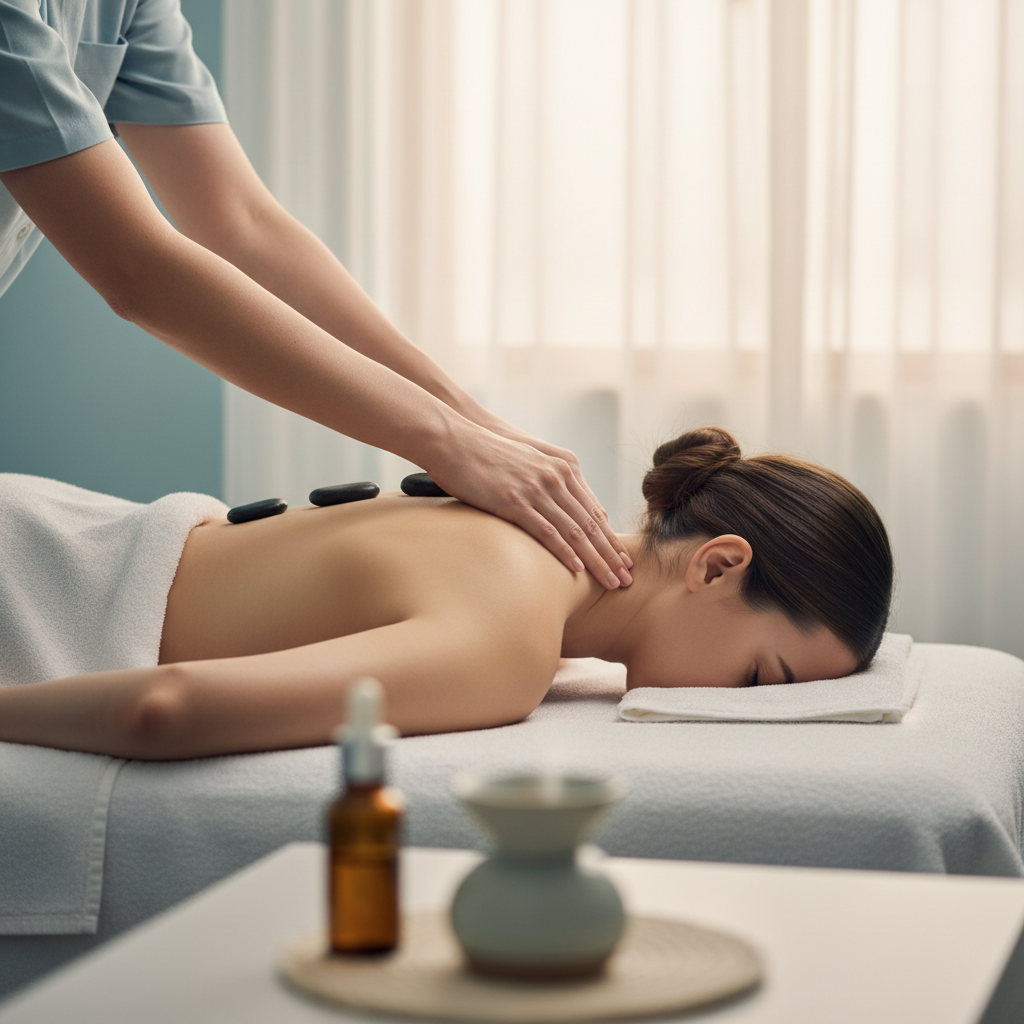
Understanding How Massage Addresses Headache Triggers
For millions of people, headaches are a disruptive part of life, ranging from a dull, persistent ache to debilitating pain. While over-the-counter medication is a common solution, many are seeking alternative or complementary therapies for relief. Massage therapy has emerged as a highly effective, non-pharmacological approach for managing and preventing certain types of headaches. The core principle behind its success lies in its ability to address some of the primary physical triggers of headache pain.
Many headaches, particularly tension headaches and cervicogenic headaches, are directly linked to musculoskeletal issues. Prolonged poor posture, stress, and repetitive motions can lead to chronic tension in the muscles of the neck, shoulders, and upper back. This tension creates tight bands of muscle fiber and painful knots known as trigger points. These trigger points don't just cause localized pain; they can refer pain to other areas, most notably the head, manifesting as a headache. Massage therapy works by directly manipulating these soft tissues. It helps to release muscle tension, break down adhesions, and deactivate painful trigger points, thereby interrupting the pain signals being sent to the head.
Furthermore, massage improves circulation. When muscles are chronically tight, blood flow to the area is restricted, which can lead to a buildup of metabolic waste products and a lack of oxygen, further contributing to pain. The pressure and kneading motions of a massage encourage blood and lymph flow, helping to nourish tissues and flush out irritants. This process reduces inflammation and promotes healing. At the same time, massage has a profound effect on the nervous system, helping to shift the body from a "fight or flight" state (sympathetic nervous system) to a "rest and digest" state (parasympathetic nervous system). This reduction in overall stress is crucial, as stress is a major trigger for both tension headaches and migraines.
Types of Headaches That May Respond to Massage Therapy
Massage isn't a one-size-fits-all solution for every headache, but it can be remarkably effective for specific types that are rooted in muscular and structural tension.
Tension-Type Headaches
This is the most common type of headache, often described as a constant, dull ache or a feeling of a tight band wrapped around the head. Tension headaches are almost always linked to muscle contraction in the neck, scalp, and upper back. Factors like stress, poor posture (e.g., "tech neck" from looking at screens), and jaw clenching are common culprits. Massage therapy directly targets these tense muscles, especially the trapezius, suboccipitals (at the base of the skull), and temporalis muscles. By alleviating this chronic tightness, massage can reduce both the frequency and intensity of tension headaches.
Migraine Headaches
Migraines are a complex neurological condition characterized by severe, throbbing pain, often accompanied by nausea, vomiting, and sensitivity to light and sound. While massage cannot "cure" a migraine, it can be an invaluable part of a management plan. Many migraine sufferers find that stress and muscle tension are significant triggers. Regular massage can help reduce the overall stress load on the body and release tension in the neck and shoulders before it escalates into a migraine trigger. For some, gentle massage during the early stages of a migraine can help ease symptoms, though for others, any stimulation can worsen the pain. The primary benefit of massage for migraineurs is often preventative, helping to lower the frequency of attacks.
Cervicogenic Headaches
As the name suggests, cervicogenic headaches originate from a problem in the cervical spine (the neck). They are a type of referred pain, meaning the pain is felt in the head, but the source is an issue with the bones, discs, or soft tissues of the neck. This can be caused by injury, arthritis, or poor posture. Because the root cause is mechanical, massage therapy that focuses on the neck muscles and structures can be extremely beneficial. Techniques like trigger point therapy and myofascial release can address the specific muscular imbalances and restrictions that are referring pain to the head.
Effective Massage Techniques for Headache Relief
A skilled massage therapist will often use a combination of techniques tailored to the individual's specific headache type and pain patterns.
Trigger Point Therapy
This technique involves applying concentrated pressure to specific "trigger points," which are hyper-irritable spots in the muscle tissue. Releasing these points can provide immediate and significant relief from the referred pain that causes many headaches. For example, a trigger point in the upper trapezius muscle (the large muscle between your neck and shoulder) commonly refers pain up the side of the neck and into the temple, mimicking a classic tension headache pattern. Deactivating this point can resolve the headache.
Deep Tissue Massage
Deep tissue massage uses slower, more forceful strokes to target the deeper layers of muscle and connective tissue. It is particularly effective for chronic muscle tension and adhesions (knots) that contribute to conditions like cervicogenic headaches. By breaking down these knots and restoring mobility, this technique helps to alleviate the underlying structural issues that trigger head pain.
Myofascial Release
Myofascial release is a technique that focuses on the fascia, the thin sheath of connective tissue that surrounds every muscle and organ in the body. When the fascia becomes tight or restricted due to injury, stress, or inflammation, it can exert pressure on underlying muscles and nerves, leading to pain. This therapy involves applying gentle, sustained pressure to stretch and release the fascial restrictions, particularly around the neck, head, and shoulders.
Craniosacral Therapy
This is a very gentle, non-invasive technique that focuses on the bones of the head, spinal column, and sacrum. The therapist uses a light touch to release restrictions in the craniosacral system, which can help to relieve pressure and improve the circulation of cerebrospinal fluid. Many people find it deeply relaxing and effective for reducing the overall stress that can contribute to headaches and migraines.
The Deeper Connection: Why Muscle Tension Causes Headaches
To truly appreciate how massage helps, it's useful to understand the physiological chain of events that turns a tight neck into a throbbing headache. The process often begins with sustained muscle contraction caused by stress or poor posture. When muscles in the neck and upper back remain tight for long periods, they can compress nerves and blood vessels that run through them.
One of the key structures involved is the trigeminal nerve, a large cranial nerve with branches that provide sensation to the face and head. The upper cervical nerves in the neck have a close relationship with the trigeminal nerve nucleus in the brainstem. When the neck muscles are tight and irritated, they can send pain signals up these cervical nerves, which then converge with and sensitize the trigeminal nerve system. The brain interprets this converged signal as pain originating from the head, resulting in a cervicogenic or tension-type headache. Massage therapy works by soothing these irritated neck muscles, thereby reducing the painful input being sent to the trigeminal nucleus and breaking the pain cycle.
Related Questions About Massage for Headaches
What Should You Expect During a Massage for Headaches?
A therapeutic massage focused on headache relief will be different from a general full-body relaxation massage. The session should begin with a thorough discussion with your therapist. Be prepared to talk about your headache patterns: where you feel the pain, how often it occurs, and what seems to trigger it. This information allows the therapist to target the specific muscles most likely contributing to your symptoms.
The therapist will likely focus most of the time on your neck, shoulders, upper back, and the base of your skull. They may also work on your scalp, jaw, and facial muscles, as tension here is a common factor. You should expect the use of techniques like trigger point therapy, which can be intense for a moment but is often followed by a sense of release. Communication is key. Always let your therapist know if the pressure is too much or if a particular spot is exquisitely tender. After the session, you might feel a little sore for a day, but this is typically followed by a significant reduction in tension and headache pain. Drinking plenty of water is always recommended to help flush out any metabolic waste released from the muscles.
Are There Any Risks or Times to Avoid Massage?
While massage therapy is generally very safe, there are a few important considerations. It is crucial to get a proper diagnosis for your headaches from a doctor to rule out any serious underlying conditions. If a headache is sudden, severe, and unlike anything you've experienced before, seek immediate medical attention.
For migraine sufferers, timing is important. Receiving deep tissue or trigger point therapy in the middle of a severe migraine attack can sometimes make the symptoms worse due to sensory overload. In this case, a very gentle, relaxing massage or craniosacral therapy might be more appropriate, or it may be best to wait until the acute phase has passed. You should also avoid massage if you have a fever, an infection, or an open wound in the area to be worked on. Always inform your therapist about any medical conditions you have, such as blood clotting disorders or recent surgery.
Conclusion
Massage therapy can be a powerful tool for managing and preventing many common types of headaches. By directly addressing the root causes of musculoskeletal tension, releasing painful trigger points, improving circulation, and reducing overall stress, it offers a holistic approach to pain relief. For those suffering from tension-type, cervicogenic, and even migraine headaches, incorporating regular therapeutic massage into a wellness routine can lead to a significant reduction in pain frequency and intensity, improving overall quality of life. As with any health treatment, it is important to consult with a healthcare provider and work with a qualified, licensed massage therapist to develop a plan that is right for you.