Exploring the Potential Benefits of Omega-3 Fatty Acids for Brain Health in Aging
It’s no secret that omega-3 fatty acids are vital for brain health, especially as we age, but the specific ‘how’ and ‘why’ can feel a bit hazy. We're here to bring those benefits into sharp focus.
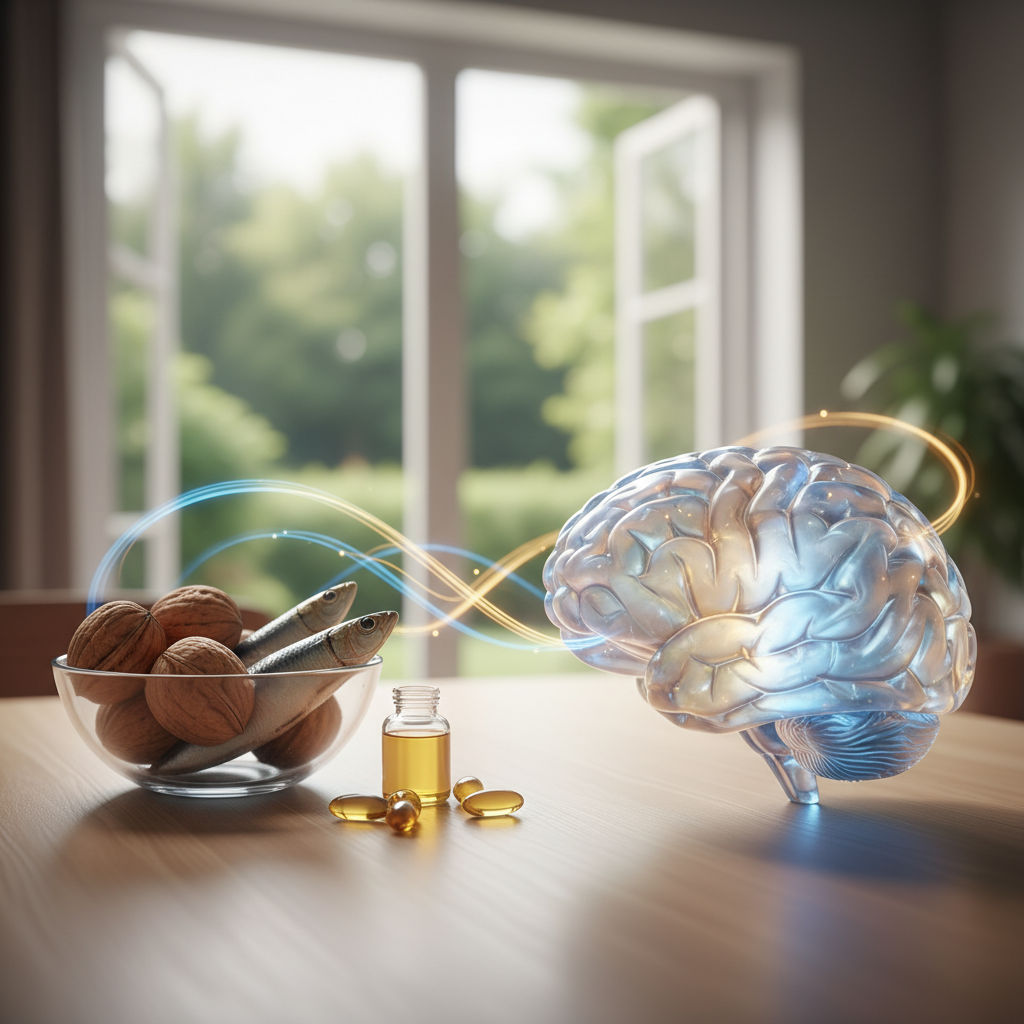
What Omega-3 Fatty Acids Do For The Aging Brain
Preserving Brain Volume and Structure
One of the most significant changes the brain undergoes during aging is a gradual reduction in volume, a process known as brain atrophy. This shrinkage is linked to cognitive decline and an increased risk of neurodegenerative diseases. Omega-3 fatty acids, particularly docosahexaenoic acid (DHA), play a fundamental structural role in the brain. DHA is a primary component of the cerebral cortex, the part of the brain responsible for memory, language, and abstract thought. Think of it as a crucial building block for brain cells (neurons).
Research suggests that a consistent intake of omega-3s can help counteract age-related brain volume loss. Studies using MRI scans have shown that older adults with higher levels of omega-3s in their blood tend to have larger brain volumes, particularly in areas like the hippocampus, which is critical for memory formation. By maintaining the structural integrity of brain cell membranes, DHA helps ensure they remain flexible and functional, which is essential for preserving brain mass over time.
Combating Chronic Inflammation
Inflammation is a natural immune response, but when it becomes chronic, it can be detrimental to the entire body, especially the brain. Neuroinflammation, or inflammation within the brain, is a key factor in the development and progression of many age-related cognitive disorders, including Alzheimer's disease. It can damage neurons and disrupt the communication pathways that are vital for cognitive function.
Omega-3 fatty acids, including both eicosapentaenoic acid (EPA) and DHA, are renowned for their powerful anti-inflammatory properties. They work by producing compounds called resolvins and protectins, which actively help to resolve inflammation. By reducing chronic low-grade inflammation in the brain, omega-3s help protect neurons from damage, thereby supporting healthier cognitive aging and potentially lowering the risk of inflammatory-driven cognitive decline.
Supporting Cell Membrane Health and Communication
Every neuron in the brain is enclosed in a cell membrane, which is not just a passive barrier but an active hub for communication. The fluidity and integrity of this membrane are critical for neurotransmitters to be released and received effectively. This process, known as synaptic transmission, is the foundation of all brain activity, from recalling a memory to learning a new skill.
DHA is a major structural fat in these neuronal membranes, contributing to their fluidity and flexibility. A diet rich in omega-3s ensures that these membranes remain supple, allowing receptors to function optimally and signals to pass efficiently between cells. In an aging brain, maintaining this swift and clear communication is vital for preserving processing speed, memory recall, and overall cognitive sharpness.
Enhancing Cerebral Blood Flow
The brain is an incredibly energy-intensive organ, consuming about 20% of the body's oxygen and calories despite making up only 2% of its weight. This requires a constant, robust supply of blood to deliver oxygen and essential nutrients. As we age, blood vessels can become stiffer and narrower, potentially reducing blood flow to the brain, which can impair cognitive function.
Omega-3s have been shown to improve cardiovascular health in ways that directly benefit the brain. They can help reduce blood pressure, decrease triglycerides, and improve the flexibility of blood vessel walls. This enhanced vascular health translates to better cerebral blood flow, ensuring that brain cells receive the steady stream of oxygen and nutrients they need to function at their best. Improved circulation can help protect against vascular dementia and other cognitive issues linked to poor brain blood supply.
Potentially Reducing Beta-Amyloid Plaque
One of the hallmarks of Alzheimer's disease is the accumulation of beta-amyloid plaques in the brain. These sticky protein clumps are toxic to neurons and disrupt cell-to-cell communication, leading to the severe cognitive decline associated with the disease. While research is ongoing, some studies suggest that omega-3s may play a role in mitigating this process.
Some evidence indicates that DHA may help prevent the formation of these toxic plaques or facilitate their clearance from the brain. By supporting overall brain health and reducing inflammation, omega-3s create a less hospitable environment for the pathological changes that characterize Alzheimer's. While not a cure, a consistent intake of these healthy fats is considered a key component of a brain-protective lifestyle aimed at reducing the risk of such diseases.
Understanding the Key Omega-3s: EPA, DHA, and ALA
When we talk about omega-3s, we are primarily referring to three main types of fatty acids, each with a unique role. Understanding the difference is key to appreciating their collective benefit for the brain.
- DHA (Docosahexaenoic Acid): This is the superstar for brain health. As mentioned, it is a primary structural component of the human brain and retina. It is absolutely critical for brain development in infants and for maintaining normal brain function in adults. Its role in the structure of cell membranes is what makes it so indispensable for the aging brain.
- EPA (Eicosapentaenoic Acid): While DHA is the structural powerhouse, EPA is best known for its potent anti-inflammatory effects. It helps produce the signaling molecules that calm inflammation throughout the body, including the brain. Many believe EPA and DHA work synergistically to provide comprehensive brain protection.
- ALA (Alpha-Linolenic Acid): This is a plant-based omega-3 found in sources like flaxseeds, chia seeds, and walnuts. The body can convert ALA into EPA and DHA, but this conversion process is highly inefficient. While ALA has its own health benefits, for direct brain support, preformed EPA and DHA from marine sources are considered much more effective.
Common Questions About Omega-3s and Brain Health
What are the best food sources of omega-3s?
Getting omega-3s directly from your diet is the most recommended approach. The best sources of the brain-beneficial EPA and DHA are fatty, cold-water fish. Many health organizations recommend eating at least two servings per week. To make it easier, you can remember the acronym SMASH: Salmon, Mackerel, Anchovies, Sardines, and Herring. These fish are not only high in omega-3s but are also typically lower in mercury compared to larger predatory fish like swordfish or king mackerel.
For plant-based ALA, excellent sources include flaxseeds (ground is best for absorption), chia seeds, walnuts, hemp seeds, and edamame. While the conversion to DHA and EPA is limited, these foods are still incredibly healthy and contribute to your overall omega-3 intake. Some foods, like certain eggs, yogurts, and milks, are also fortified with omega-3s.
How much omega-3 is needed for the aging brain?
There is no single, universally agreed-upon dosage of omega-3s specifically for brain health in older adults, as needs can vary based on diet, genetics, and overall health. However, most health organizations provide general dietary guidelines. For healthy adults, a common recommendation is to consume around 250-500 milligrams (mg) of combined EPA and DHA per day, which can typically be achieved by eating fatty fish twice a week.
For individuals specifically looking to support cognitive function or those with higher risk factors, some studies have investigated doses ranging from 1,000 to 2,000 mg per day. It is crucial to remember that more is not always better. Before starting a high-dose supplement regimen, it is essential to consult with a healthcare provider. They can help you determine an appropriate amount based on your individual health profile and ensure it doesn't interfere with any medications, such as blood thinners.
Are omega-3 supplements as effective as food?
This is a common and important question. For most people, obtaining nutrients from whole foods is ideal because food provides a complex matrix of vitamins, minerals, and other compounds that work together. Eating fish, for example, gives you not only EPA and DHA but also high-quality protein, vitamin D, and selenium.
However, supplements can be a practical and effective alternative for those who do not or cannot eat fatty fish regularly. When choosing a supplement, quality is paramount. Look for products from reputable brands that have been third-party tested for purity and potency, ensuring they are free from heavy metals like mercury and contain the amount of EPA and DHA stated on the label. A good supplement is certainly better than getting insufficient amounts of these critical fatty acids.
Conclusion
Omega-3 fatty acids are not just a "nice-to-have" nutrient; they are a fundamental component of brain health, especially as we age. From preserving the physical structure of the brain and fighting off damaging inflammation to supporting cellular communication and ensuring robust blood flow, their benefits are comprehensive. By incorporating sources of EPA and DHA into a balanced diet, you provide your brain with the essential tools it needs to stay resilient, sharp, and healthy for years to come.
For more information on Omega-3s, you can visit the National Institutes of Health (NIH) or read about lifestyle choices for a healthy brain at the Alzheimer's Association.