Exploring the Potential Design Changes of the 2026 BMW 3 Series
The short answer is a definitive yes—and it’s poised to be one of the most significant redesigns in the model's history. Drawing heavily from BMW's futuristic "Neue Klasse" concept, everything from the exterior styling to the driver-focused interior is on the table for a major overhaul.
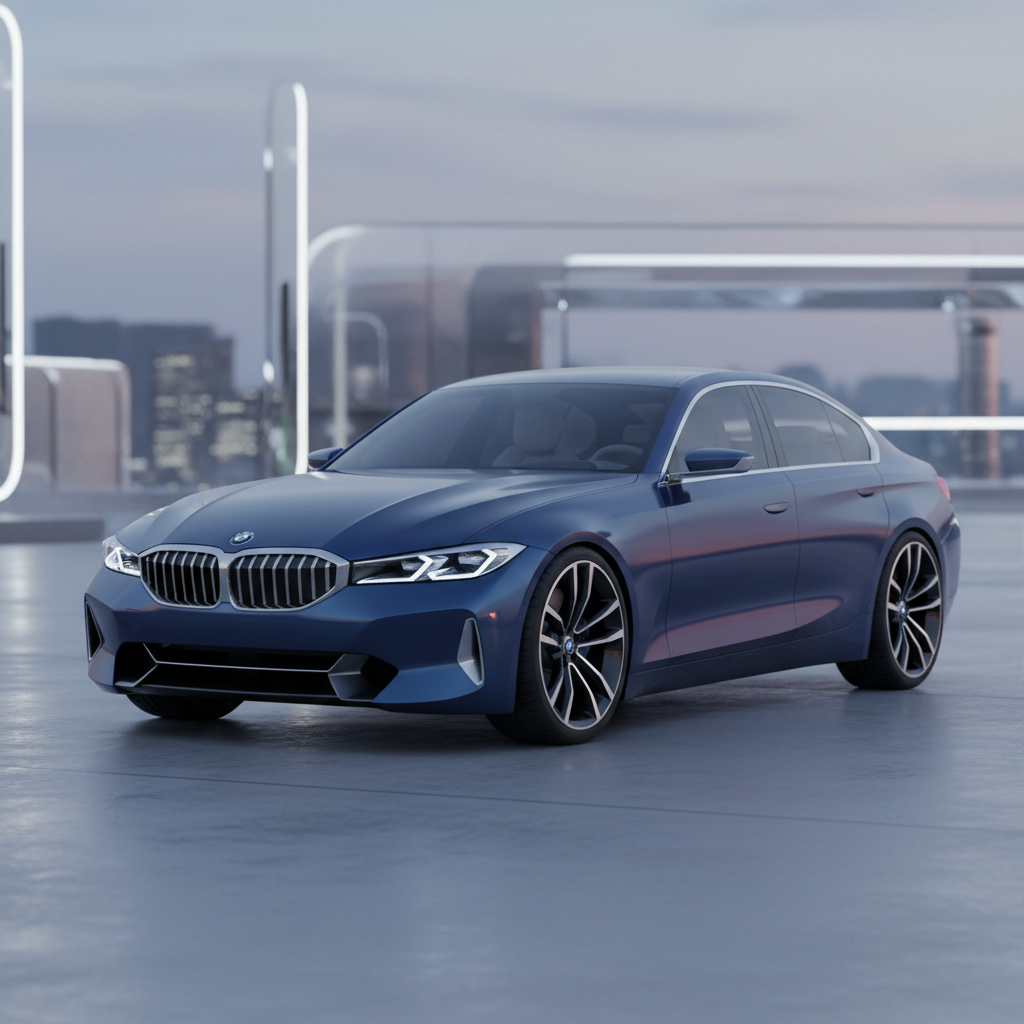
What We Know About the 2026 BMW 3 Series Redesign
The BMW 3 Series has long been the benchmark for the compact luxury sport sedan segment. For decades, it has masterfully blended performance, comfort, and cutting-edge technology. As the automotive world pivots towards electrification and radical new design philosophies, all eyes are on the next generation. The question on every enthusiast's mind is: will the 2026 BMW 3 Series get a completely new design? The short answer is a resounding yes. This won't be a minor facelift; it's expected to be a revolutionary leap forward, built on an entirely new foundation.
The upcoming 3 Series, codenamed NA0 for the sedan, is set to be one of the flagship models debuting on BMW's highly anticipated "Neue Klasse" (New Class) architecture. This platform is not just an update; it's a complete reimagining of what a BMW can be, designed from the ground up to be electric-first. This foundational shift will dictate every aspect of the car's design, from its proportions and interior space to its performance characteristics. It represents the most significant change for the 3 Series in its illustrious history, promising a vehicle that is both technologically advanced and stylistically groundbreaking.
The "Neue Klasse" Platform: A Game-Changer
The Neue Klasse platform is the cornerstone of BMW's future. It's a dedicated electric vehicle (EV) architecture that will eventually underpin most of the brand's lineup. Unlike current platforms that are adapted to fit both internal combustion engines (ICE) and electric powertrains, Neue Klasse is optimized exclusively for battery-electric power. This "electric-first" approach allows designers and engineers to break free from traditional constraints.
What does this mean for the 3 Series design? First, expect different proportions. Without a large engine and transmission tunnel to accommodate, the cabin can be pushed forward, the wheelbase can be extended, and the overhangs can be shortened. This not only creates a more dynamic and futuristic silhouette but also liberates a significant amount of interior space. Occupants will likely enjoy more legroom and a flatter floor, making the cabin feel more open and airy than any 3 Series before it.
Exterior Design: A Bold New Direction?
Based on BMW's Vision Neue Klasse concept car, the 2026 3 Series is poised to adopt a minimalist, clean, and digitally-focused design language. The concept showcases a return to classic sedan proportions but with a modern, almost monolithic surface treatment. Expect fewer sharp creases and complex lines, replaced by smooth, flowing panels that emphasize aerodynamic efficiency.
The front fascia will likely be the most talked-about feature. The controversial, oversized vertical kidney grilles of recent models are expected to be replaced by a sleeker, horizontally-oriented interpretation. This new grille will be a full-width digital panel, integrating both the headlights and the kidney graphic into a single, cohesive element. This "Phygital" (physical and digital) interface can display animations, charging status, and welcome sequences. Another classic BMW design cue, the "Hofmeister kink" on the rear C-pillar, is also expected to be reinterpreted in a modern, digitally-enhanced way, possibly using lighting elements or blacked-out glass to create the iconic shape.
Interior Overhaul: The Future of the BMW Cockpit
The interior of the 2026 3 Series will be even more revolutionary than its exterior. The Neue Klasse philosophy centers on a clutter-free, user-centric experience. The traditional instrument cluster and massive central infotainment screen may be replaced by a more elegant and integrated solution called "BMW Panoramic Vision." This system projects a thin, high-resolution display across the entire width of the windshield's base, visible to both the driver and the front passenger.
This primary display will be supplemented by a central parallelogram-shaped touchscreen and advanced voice controls. The goal is to reduce physical buttons to an absolute minimum, creating a serene and spacious environment. Sustainability will also be a key theme, with the use of recycled materials and leather-free upholstery options becoming standard. The combination of more physical space, thanks to the EV platform, and a minimalist digital interface will make the new 3 Series' cabin feel like it's from a generation ahead of the current model.
Powertrain Revolution: Gas, Hybrid, and All-Electric
While the Neue Klasse platform is electric-first, reports suggest BMW will not abandon its traditional customers entirely. The next-generation 3 Series is expected to be offered in multiple powertrain configurations. The flagship models will be all-electric, likely branded as the i3, and will benefit from BMW's sixth-generation eDrive technology. This includes new cylindrical battery cells that promise a 30% increase in range, faster charging speeds, and improved overall efficiency compared to current BMW EVs.
Alongside the fully electric versions, BMW is expected to continue offering mild-hybrid and plug-in hybrid gasoline engines to cater to different markets and customer preferences. However, these ICE versions will likely be heavily updated to meet stricter emissions standards and may be built on a modified version of the platform. The focus, however, is clearly on the electric variant, which will deliver the full performance and design benefits of the new architecture.
A Legacy of Design: The Evolution of the BMW 3 Series
To understand the magnitude of the 2026 redesign, it's helpful to look back at the design evolution of the 3 Series. Since its debut in 1975 with the E21, the 3 Series has been defined by a few core principles: a sporty "shark-nose" front end, a driver-focused cockpit, and a perfectly balanced rear-wheel-drive proportion. The E30, introduced in the 1980s, cemented this iconic status with its clean lines, quad headlights, and legendary M3 variant, becoming a symbol of the "Ultimate Driving Machine."
Through subsequent generations like the E36, E46, E90, and F30, BMW gradually refined this formula. The design became more muscular, aerodynamic, and luxurious, but the fundamental DNA remained recognizable. The current G20 generation, introduced in 2018, brought a sharper, more aggressive look with tauter lines and a larger kidney grille, signaling a shift towards a more modern aesthetic. However, each of these was an evolutionary step, building upon the successful foundation of its predecessor. The 2026 Neue Klasse 3 Series is not an evolution; it's a conscious decision to break from tradition and redefine the brand's core identity for an electric future, much like the original "Neue Klasse" cars did for BMW back in the 1960s.
Answering Your Top Questions About the Next-Gen 3 Series
With such a monumental shift on the horizon, it's natural to have questions. Here, we address some of the most common queries about the upcoming 2026 BMW 3 Series.
Will the 2026 3 Series be fully electric?
Yes, a fully electric version will be a central part of the lineup, likely reviving the "i3" nameplate for a sedan. This model will be the purest expression of the Neue Klasse platform, leveraging its all-electric design to maximize range, performance, and interior space. It will feature BMW's advanced sixth-generation battery and motor technology, positioning it as a direct competitor to vehicles like the Tesla Model 3 and other premium electric sedans.
However, BMW understands that the global transition to EVs will happen at different paces in different regions. To bridge this gap, the company is expected to continue offering gasoline-powered variants. These will likely feature advanced mild-hybrid or plug-in hybrid technology to improve efficiency and reduce emissions. While these models will share the new design language, the all-electric version will be the true star of the show, representing the future direction of the brand.
How will the "Neue Klasse" platform impact performance?
The Neue Klasse platform is engineered to enhance BMW's legendary driving dynamics, not sacrifice them. By placing the heavy battery pack low in the chassis, the center of gravity will be significantly lower than in any previous 3 Series, leading to improved stability and cornering agility. The platform's rigidity is also expected to be much higher, providing a more solid foundation for the suspension to work, resulting in a ride that is both more comfortable and more responsive.
Furthermore, the instant torque delivery of the electric motors will provide breathtaking acceleration. BMW is developing its own motors and power electronics, ensuring the power delivery is smooth, controllable, and perfectly in line with the brand's "Ultimate Driving Machine" ethos. Expect various power levels, including high-performance, all-wheel-drive M versions that could deliver supercar-like acceleration figures while maintaining the balanced handling that has always defined the 3 Series.
Is the iconic kidney grille going to change again?
Yes, and the change will be significant. The recent trend of large, vertical kidney grilles that has been a point of contention among fans is set to be retired for the Neue Klasse family. The Vision Neue Klasse concept, which heavily previews the next 3 Series, showcases a return to a more traditional, horizontal orientation for the kidneys.
The twist is that it won't be a conventional grille at all. Instead, it will be a full-width digital panel that incorporates the headlights and kidney shape into one seamless surface. This panel can be illuminated and can display various graphics, effectively turning the front of the car into a digital communication device. This approach allows BMW to retain its most iconic design feature while modernizing it for a digital, electric era where large air intakes are no longer functionally necessary. It's a clever solution that respects the past while fully embracing the future.
Conclusion
The 2026 BMW 3 Series is not just getting a new design; it's being completely reinvented. Built on the revolutionary Neue Klasse electric platform, it promises a radical departure from everything that has come before. From a minimalist, digitally-enhanced exterior and a spacious, screen-centric interior to a new generation of high-performance electric powertrains, the next 3 Series is set to once again be a benchmark. It aims to prove that the "Ultimate Driving Machine" has a bright, thrilling, and stylish future in the electric age.
For more detailed information and spy shots as they emerge, you can visit automotive news outlets like: