Exploring the Potential of Red Light Therapy in Managing Hair Loss
Curious about red light therapy for hair loss? Explore how this innovative method is believed to potentially promote hair growth by stimulating hair follicles. While studies suggest promising results, it's important to understand that outcomes may vary.
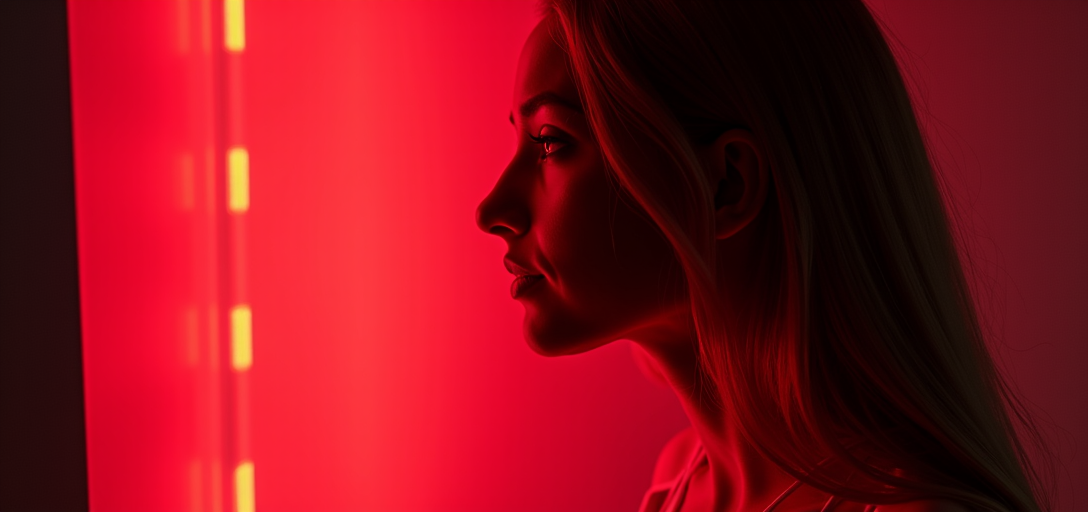
Understanding Red Light Therapy
Red Light Therapy (RLT) is a non-invasive treatment that uses red low-level wavelengths of light to stimulate various cellular processes. Originally developed by NASA for plant growth experiments in space, its applications have since expanded significantly. These days, it's frequently utilized in therapeutic practices ranging from skin rejuvenation to wound healing, and more recently, hair loss treatment.
How Does Red Light Therapy Work?
Red light therapy works by penetrating the skin with wavelengths typically around 620 to 750 nanometers. These wavelengths are absorbed by mitochondria in the cells, which are essentially the powerhouses responsible for energy production. Once absorbed, the light can enhance cellular function and increase energy production. This process can aid in repairing or boosting the function of tissues and cells.
Red Light Therapy for Hair Growth
With hair loss affecting millions worldwide, finding an effective treatment solution is critical. The appeal of red light therapy lies in its ability to stimulate blood circulation and improve cellular activity in the scalp, potentially supporting hair growth.
- Increased blood circulation can bring more oxygen and nutrients to hair follicles, supporting healthy hair growth.
- Stimulating cellular activity in hair follicles may prolong the growth phase (anagen phase) of hair, preventing premature shedding.
Scientific Evidence: Does It Really Work?
Recent Studies and Findings
Several studies have investigated the effectiveness of red light therapy for hair growth. A study published in 2026 in the Journal of Cosmetic Dermatology found that participants who underwent red light therapy had a significant increase in hair density compared to the control group. This suggests that regular use of red light therapy can provide tangible benefits to individuals experiencing hair loss.
Furthermore, a comprehensive review in the International Journal of Trichology in 2025 highlighted red light therapy as a promising treatment for androgenetic alopecia (pattern hair loss), noting improvements in hair counts and hair thickness in treated individuals.
Real-World Examples
Beyond clinical trials, numerous anecdotal reports and testimonials from users support the efficacy of RLT. For instance, Jonathon, a 34-year-old teacher, began using a home red light therapy device after noticing early signs of thinning hair. After consistent use for six months, he observed noticeable improvements in hair thickness and density, which boosted his confidence significantly.
Choosing the Right Red Light Therapy Device
If you're considering red light therapy for hair loss, selecting the right device is crucial. Each device varies in wavelength, coverage area, and application method. Here are some factors to consider:
- Wavelength: Opt for a device with wavelengths between 630 to 680 nm, as these are most effective for hair growth stimulation.
- Ease of Use: A device that's easy to incorporate into your routine will ensure consistency, which is key to seeing results.
- Coverage Area: Devices like helmets or caps cover larger areas and may be more convenient for those with extensive hair loss areas.
Professional Treatments vs. At-home Devices
Both professional and at-home devices are available. Professional treatments are typically more powerful and administered by trained practitioners, which may translate to faster results. However, at-home devices provide convenience and cost-savings in the long run. Popular options include laser caps or hand-held devices that are widely used and well-reviewed by users.
Safety and Side Effects
Red light therapy is generally considered safe with minimal side effects. The most common, albeit rare, effects include temporary redness or irritation on the skin. To mitigate any risks, it's crucial to follow the manufacturer's instructions or consult with a healthcare provider, especially if you're undergoing treatment in a clinic.
Precautions to Consider
Though RLT is low-risk, individuals with photosensitivity or specific medical conditions should consult with a doctor prior to starting treatment. This ensures that the therapy aligns well with their health profile and won't interfere with any existing treatments or conditions.
Conclusion: Is Red Light Therapy Right for You?
While more research is beneficial to fully understand the scope of red light therapy’s effectiveness on hair growth, existing evidence and user testimonials make RLT a promising option for those struggling with hair loss. Carefully selecting a suitable device and consulting with a healthcare professional can ensure that the therapy is both safe and effective for your specific needs.
Ultimately, consistency and patience remain key, as full results may take several months of regular treatment to become apparent.
For further reading and verification, you can refer to studies such as those available in the Journal of Cosmetic Dermatology and the International Journal of Trichology.