Exploring the Potential of Stem Cell Therapy in Diabetes: Join Clinical Trials
Explore the latest developments in diabetes stem cell therapy clinical trials as researchers investigate new treatments. These promising trials are designed to evaluate the potential of stem cells in managing diabetes, though outcomes remain under careful study.
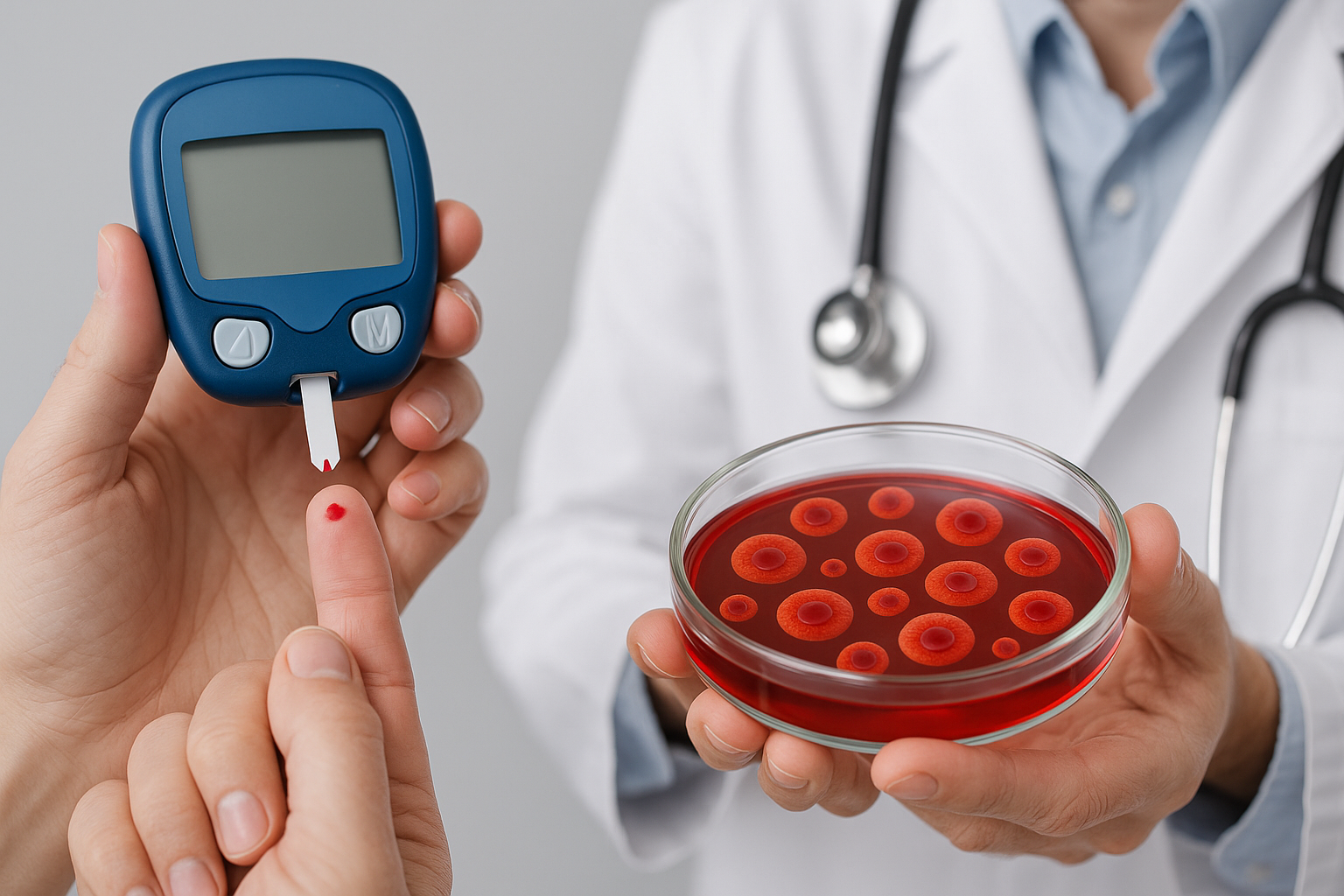
Understanding Diabetes and Its Current Treatment Options
Diabetes is a chronic condition characterized by high blood sugar levels. It affects millions of people worldwide, with estimates indicating that over 500 million adults are living with diabetes as of 2026. The condition is primarily divided into Type 1 and Type 2 diabetes, with Type 1 being an autoimmune disorder and Type 2 often associated with lifestyle factors. Managing diabetes typically involves blood sugar monitoring, medication, and lifestyle changes.
Current treatments focus on managing symptoms rather than providing a cure. For instance, Type 1 diabetes requires regular insulin injections to replace what the body can no longer produce. Type 2 diabetes management might include oral medications like Metformin, or even insulin in more advanced stages. Despite these treatments, many patients experience complications such as cardiovascular disease, nerve damage, kidney damage, and vision loss.
The Promise of Stem Cell Therapy in Diabetes
Stem cell therapy has emerged as a promising area of medical research, particularly in the treatment of diabetes. This innovative approach aims to address the root causes of diabetes by regenerating or replacing the damaged cells responsible for the disease. In the context of diabetes, stem cells could potentially differentiate into insulin-producing beta cells in the pancreas, offering a more definitive solution compared to current treatments.
What Are Stem Cells?
Stem cells are unique in their ability to develop into various specialized cell types in the body. They serve as a repair system, with the potential to replenish other cells indefinitely. This characteristic makes them a focal point in regenerative medicine, where they're being explored for their ability to heal or replace damaged tissues and organs.
Diabetes Stem Cell Therapy Clinical Trials: What to Know
Clinical trials for diabetes stem cell therapy are critical in assessing the safety, efficacy, and potential long-term benefits of this treatment. These trials involve rigorous testing and are conducted in phases, starting from small-scale trials to assess safety, followed by larger trials to determine effectiveness.
- Phase 1 Trials: These initial trials typically include a small group of participants and focus on assessing the safety of the treatment and identifying any side effects.
- Phase 2 Trials: Building on the results of Phase 1, these trials involve more participants and aim to evaluate the effectiveness of the treatment and further explore its safety.
- Phase 3 Trials: Conducted with larger populations, these trials compare the new treatment's efficacy against standard treatments and finalize data collection for approval by regulatory bodies.
Recent Advancements in Stem Cell Trials for Diabetes (2026)
As of 2026, several clinical trials are underway exploring the potential of stem cell therapy in treating diabetes. Notably, a breakthrough by advanced biotech firms showed promising results where stem cells were successfully differentiated into insulin-producing cells that could react to blood glucose changes. Preliminary outcomes have revealed a potential to significantly reduce the dependence on insulin injections for Type 1 diabetes patients. [Journal of Clinical Diabetes, 2026]
Potential Benefits and Risks of Stem Cell Therapy
Benefits
The transformative potential of stem cell therapy in diabetes treatment is immense:
- Cell Regeneration: Stem cells can regenerate damaged pancreatic cells, restoring the body’s natural insulin production and regulation.
- Reduced Medication Dependence: By addressing the underlying cause, stem cell therapy could reduce or eliminate the need for lifelong medication.
- Complication Reduction: Effective blood sugar regulation may lower the risk of complications typically associated with diabetes.
Risks and Challenges
While promising, stem cell therapy comes with its challenges and risks:
- Immune Rejection: There’s a potential risk of the body rejecting the transplanted stem cells.
- Tumorigenicity: Stem cells can sometimes lead to the formation of tumors due to their rapid proliferation.
- Ethical Concerns: Ethical issues surrounding the use of embryonic stem cells remain a topic of concern for many.
FAQs about Diabetes Stem Cell Therapy
Is Stem Cell Therapy Currently Available for Diabetes Patients?
As of now, stem cell therapy for diabetes is still largely in the experimental stage and not widely available as a commercial treatment. Most therapies are part of clinical trials. It's crucial for patients to consult with healthcare professionals and consider enrolling in research trials conducted by credible institutions. [ClinicalTrials.gov]
Who Can Participate in Clinical Trials?
Criteria for participation in clinical trials vary. Typically, participants need to meet specific health conditions and consent to the process and potential risks involved. Researchers seek participants of various ages and health conditions to ensure comprehensive data collection.
The Future of Diabetes Treatment with Stem Cells
While challenges remain, the future of diabetes treatment through stem cell therapy looks promising. Researchers continue to improve methodologies to enhance safety and effectiveness. With ongoing trials and advancements in biotechnology, there is hope that stem cell therapy could become a standard diabetes treatment in the near future, altering the prognosis of millions around the world.
Staying informed through reputable sources and discussions with healthcare providers will be crucial for patients keen on exploring new treatments as they become available.