Exploring the Potential Skin Irritations from Wearing Crocs
Crocs are famous for their comfort, but that signature plastic design isn't always kind to your skin. From painful blisters caused by friction and moisture to unexpected rashes from material allergies, there are a few potential issues to be aware of.
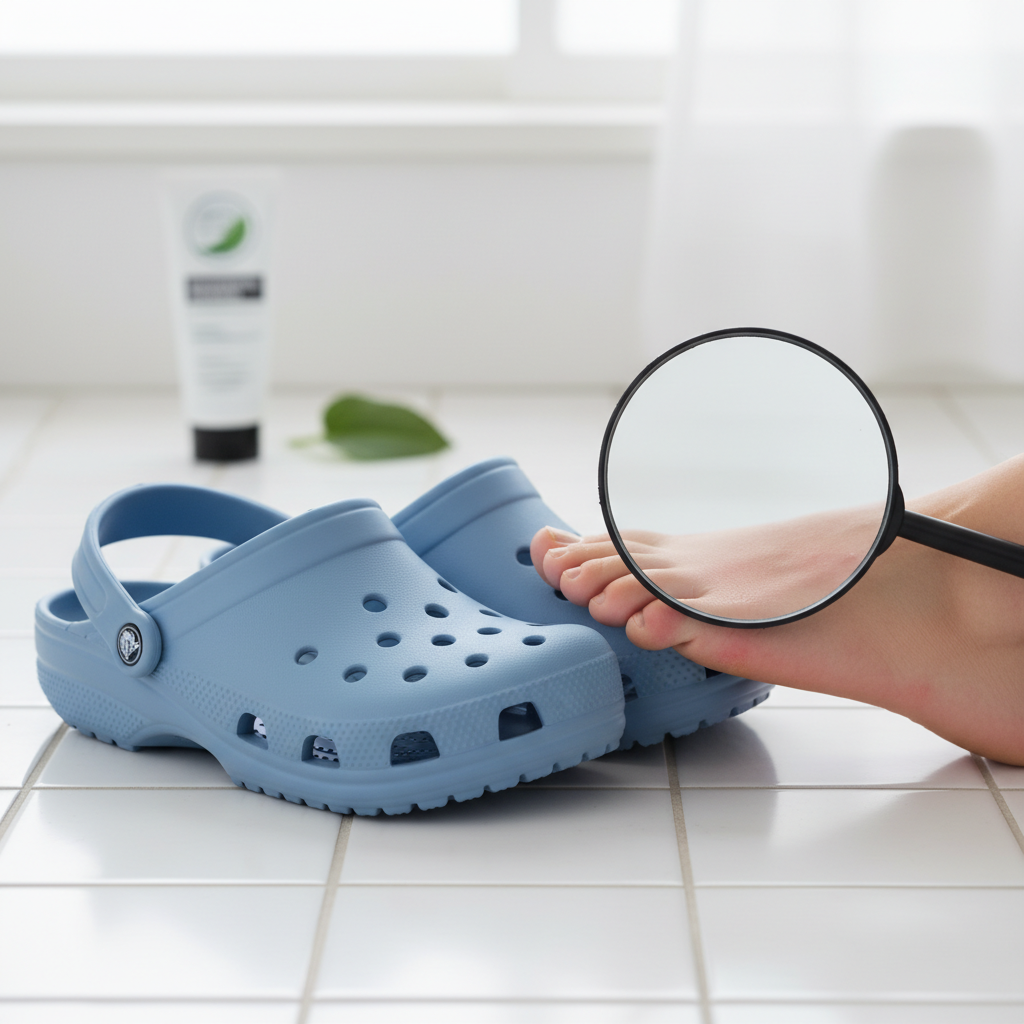
Crocs have become a global footwear phenomenon, praised for their comfort, lightness, and ease of cleaning. Made from a proprietary closed-cell resin called Croslite™, they offer a unique combination of softness and support. However, like any type of footwear worn for extended periods, questions often arise about their potential impact on foot and skin health. While millions wear them without issue, certain factors related to their material, design, and how they are worn can potentially lead to skin problems for some individuals.
Understanding these potential issues is key to enjoying the benefits of Crocs while minimizing any risks. The problems that may arise are not typically due to the shoes being inherently harmful, but rather a combination of individual sensitivity, improper fit, and environmental conditions. Let's explore the most common skin-related concerns associated with wearing these popular clogs.
Potential Skin Issues Linked to Crocs
When discussing skin problems and footwear, it's important to consider several mechanisms of irritation. These can range from allergic reactions to the material itself, to physical irritation from friction, to issues caused by a moist environment. Here are the primary concerns some people might experience.
1. Allergic Contact Dermatitis
This is a reaction that occurs when the skin comes into contact with a substance it identifies as an allergen. While Croslite™ is generally considered hypoallergenic and non-toxic, it is still a synthetic material. In very rare cases, an individual might have a specific sensitivity to one of the components in the proprietary resin. Symptoms of allergic contact dermatitis include an itchy, red rash, bumps, or even blisters that appear in the areas where the skin touches the shoe.
It's crucial to distinguish this from more common forms of irritation. A true allergy will typically cause a reaction every time the skin is exposed to the material and may worsen with repeated contact. If you suspect an allergy to your Crocs, the best course of action is to stop wearing them and consult a dermatologist who can perform patch testing to identify the specific allergen.
2. Friction Blisters and Calluses
Friction is a common culprit behind many footwear-related skin problems. The loose-fitting design of classic Crocs clogs means the foot can move and slide around more than in a snug-fitting shoe. This constant rubbing, especially if the shoes are worn without socks, can lead to painful blisters on the toes, heels, or sides of the feet. The small massaging nubs on the footbed, while intended for comfort, can also become a source of irritation for sensitive feet over long periods.
Over time, repeated friction can cause the skin to thicken and harden as a protective measure, leading to the formation of calluses. While calluses are generally harmless, they can sometimes become thick, dry, and cracked. Ensuring a proper fit—not too loose and not too tight—is the most effective way to minimize friction-related issues. If you're between sizes, it may be better to choose the slightly larger size and consider wearing thin socks to reduce direct skin-on-shoe rubbing.
3. Moisture-Related Issues (Fungal and Bacterial Infections)
The ventilation holes in Crocs are designed to increase airflow and allow water to drain, which is great for short-term wear in wet conditions. However, the Croslite™ material itself is non-porous and does not absorb sweat. If you wear them for long hours, especially in hot and humid weather, sweat can accumulate inside the shoe. This creates a warm, moist environment—the perfect breeding ground for fungi and bacteria.
This environment can increase the risk of developing conditions like athlete's foot (tinea pedis), a fungal infection that causes itching, scaling, and redness between the toes. Similarly, trapped moisture can foster bacterial growth, potentially leading to foot odor or minor skin infections, especially if there are any small cuts or scrapes on the feet. Thoroughly drying your feet and the shoes after they get wet or sweaty is essential to prevent these problems.
4. Irritant Contact Dermatitis
Unlike an allergic reaction, irritant contact dermatitis is not caused by the immune system. Instead, it's a direct physical or chemical irritation of the skin. With Crocs, this can happen if dirt, sand, small pebbles, or other debris get inside the shoe through the ventilation holes. These particles can become trapped against the skin, causing mechanical irritation and abrasion as you walk.
Furthermore, if cleaning agents or other chemicals are not properly rinsed off the shoes, a chemical residue could remain and irritate the skin. Symptoms are similar to an allergic reaction—redness, itching, and discomfort—but the cause is physical damage or chemical irritation rather than an allergic response. Regularly cleaning the inside of your Crocs and checking for debris can easily prevent this issue.
5. Sunburn and Uneven Tanning
This is a more cosmetic but still notable skin issue related to the iconic design of Crocs clogs. The pattern of ventilation holes across the top of the shoe can lead to a very specific type of sunburn if worn for extended periods in direct sunlight without protection. This results in a polka-dot pattern of burned or tanned spots on the top of the feet.
While often a source of amusement, any sunburn is a form of skin damage that increases long-term health risks. If you plan on wearing your Crocs for a day at the beach, in the garden, or anywhere with significant sun exposure, it's important to apply sunscreen to the tops of your feet just as you would to any other exposed skin. This simple step can prevent the "Crocs tan" and protect your skin from harmful UV radiation.