Exploring the Pros and Cons of Using Stone Veneer for Home Exteriors
Thinking about using stone veneer for your home's exterior? It's a popular choice for good reason, offering the stunning look of natural stone without the intimidating price tag and weight. But to truly know if it's the right fit for your project, you need to look beyond the curb appeal.
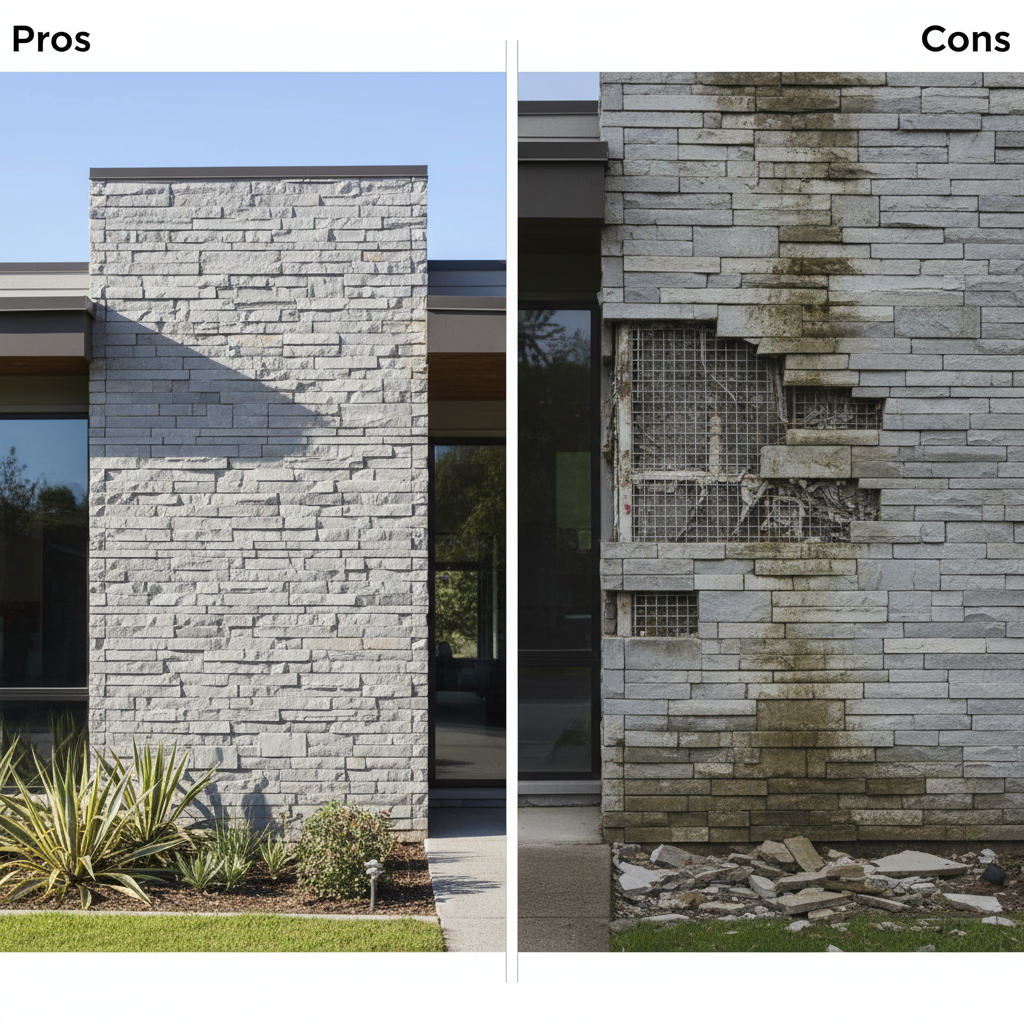
Is Stone Veneer a Good Choice for Your Home's Exterior? A Deep Dive
Choosing the right siding for your home is a major decision that impacts curb appeal, durability, and budget. For homeowners seeking the timeless, rugged beauty of natural stone without the hefty price tag and structural demands, stone veneer has become an incredibly popular alternative. But is it truly a good choice for an exterior application? The answer depends on a variety of factors, from installation quality to climate.
To make an informed decision, it’s essential to weigh the significant advantages against the potential drawbacks. This comprehensive guide breaks down everything you need to know about using stone veneer on the outside of your home.
The Major Benefits of Exterior Stone Veneer
Stone veneer, whether it's manufactured from a cement-based mixture or sliced from real quarried stone, offers a compelling list of benefits that make it an attractive option for many homeowners.
1. Significant Cost Savings
Perhaps the most significant advantage of stone veneer is its cost-effectiveness compared to full-bed natural stone. Traditional stone masonry is expensive due to the cost of the raw material and the highly skilled labor required for installation. Full stones are thick, heavy, and require a structural ledge or foundation to support their weight, adding complexity and expense to the project.
Veneer, on the other hand, is much thinner and lighter, making it less expensive to produce, ship, and install. The installation process is faster and requires less specialized masonry skill, which translates to substantial savings on labor costs. This makes the luxurious look of stone accessible to a much wider range of budgets.
2. Lightweight and Structurally Simple
A standard full-bed stone can be several inches thick and weigh over 70 pounds per square foot. This immense weight means the home's foundation must be specifically designed to support it. Stone veneer, by contrast, typically weighs less than 15 pounds per square foot. This dramatic difference is a game-changer for construction.
Because it's so light, stone veneer does not require any additional footings or structural supports. It can be applied directly to a standard framed wall with the proper preparation, making it an ideal choice for both new construction and remodeling projects. You can add a stone accent wall to an existing home without worrying about compromising its structural integrity.
3. Incredible Design Versatility
Manufactured stone veneer offers an almost limitless array of styles, colors, and textures. The production process involves pouring a concrete mixture into molds cast from real stones. This allows manufacturers to replicate various types of stone, from rustic, craggy fieldstone to sleek, uniform ledgestone. Pigments are added to the mix to create a wide spectrum of natural-looking colors and variations.
This versatility gives homeowners and designers immense creative freedom. You can achieve a specific architectural look, whether it's a Tuscan villa, a modern farmhouse, or a mountain lodge. The consistency of manufactured products also ensures a uniform appearance across the entire project, which can be difficult to achieve with natural stone that varies from one quarry to the next.
4. Low Maintenance Requirements
Once properly installed, stone veneer is exceptionally low maintenance. Unlike wood siding that needs regular painting or staining, or vinyl that can fade and crack, stone veneer is highly durable and holds its color well. It is resistant to pests like termites and woodpeckers and is non-combustible, offering excellent fire resistance.
General upkeep typically involves little more than an occasional cleaning with a soft-bristle brush and a gentle detergent to remove dirt or mildew, especially in damp or shaded areas. This "set it and forget it" quality is a major selling point for busy homeowners who want a beautiful exterior without the hassle of constant upkeep.
Potential Drawbacks and Considerations
While the benefits are compelling, it's crucial to be aware of the potential downsides of stone veneer to avoid common pitfalls.
1. Improper Installation Can Lead to Major Problems
This is the single most critical factor in the success of a stone veneer exterior. Because the veneer is a cladding system, not a structural one, it relies on a carefully layered system of water-resistant barriers, flashing, and weep screeds to manage moisture. If any of these components are installed incorrectly, water can get trapped behind the veneer.
Trapped moisture is a recipe for disaster. It can lead to rot in the home's structural sheathing and framing, mold growth, and eventual failure of the veneer itself. It is absolutely essential to hire a qualified installer who understands the specific requirements for exterior stone veneer application to ensure a watertight and long-lasting finish.
2. Durability Compared to Full-Bed Stone
While manufactured stone veneer is tough, it is not as durable as solid, natural stone. It is a concrete-based product, and a hard impact from a lawnmower or a misplaced ladder can cause it to chip or crack. When this happens, the underlying gray concrete aggregate can be exposed, which can be an obvious giveaway that it isn't solid stone.
Furthermore, while the surface color is designed to be long-lasting, it can fade over many years of direct sun exposure. Natural stone, on the other hand, is stone all the way through; its color is its substance and will not fade. If ultimate, generational durability is your top priority, full-bed stone remains the superior choice.
3. The Question of Authenticity
Modern manufacturing techniques have made stone veneer incredibly realistic. From a distance, it is often indistinguishable from natural stone. However, upon closer inspection, some manufactured products can reveal their true nature. Repetitive patterns can sometimes be spotted, and the texture may not have the same unique, organic feel as quarried stone.
For some homeowners and designers, this subtle difference matters. Natural thin stone veneer—which is real stone sliced thin—offers a compromise, providing true authenticity in a lightweight format, though typically at a higher price point than manufactured veneer.
The Evolution of Siding: From Natural Stone to Modern Veneers
For centuries, building with stone meant one thing: stacking heavy, thick blocks of quarried rock to create fortress-like walls. This method, known as traditional masonry, produced structures of incredible longevity and beauty, but it was also labor-intensive, slow, and enormously expensive. It required massive foundations and a level of skill that few possessed.
The concept of a "veneer"—a thin, decorative facing—emerged as builders sought ways to get the look of stone without the structural burden. The first veneers were simply thinner-cut natural stones. The true revolution, however, came in the mid-20th century with the invention of manufactured stone veneer. By creating a lightweight, cement-based product in molds, builders could suddenly mimic the look of stone at a fraction of the cost and weight. This innovation democratized the aesthetic of stone, allowing it to be used on a vast range of residential and commercial buildings where it would have been previously impossible.
Common Questions About Exterior Stone Veneer
When considering stone veneer, homeowners often have a few follow-up questions. Here are answers to some of the most common ones.
How Long Does Exterior Stone Veneer Last?
The lifespan of exterior stone veneer is heavily dependent on the quality of the product and, most importantly, the quality of the installation. A high-quality manufactured stone veneer product, installed correctly according to the manufacturer's specifications and local building codes, can easily last for 30 to 50 years or even longer. Most reputable manufacturers offer warranties that cover the product itself for several decades against defects like chipping, cracking, or fading under normal conditions.
However, the longevity of the underlying structure is paramount. If the water management system behind the veneer fails, the sheathing and framing of your home could be damaged long before the stone veneer itself shows any signs of wear. Factors like extreme freeze-thaw cycles, high humidity, and constant exposure to harsh UV rays can also affect its lifespan. Regular inspections of caulking and flashing can help ensure the system remains sealed and functional for decades.
What's the Difference Between Manufactured and Natural Thin Stone Veneer?
This is a key distinction to understand. Both are "veneers," meaning they are thin facings applied to a structure, but their origins are completely different. Manufactured stone veneer (also called faux stone, cultured stone, or architectural stone) is a man-made product. It's crafted from a mixture of Portland cement, lightweight aggregates, and iron oxide pigments, which is then poured into molds.
Natural thin stone veneer, in contrast, is 100% real stone. Quarried stones like granite, limestone, or fieldstone are cut or split into thin profiles, typically about 1 to 1.5 inches thick. This preserves the authentic color, texture, and durability of real stone while making it light enough to be installed as a veneer without a support ledge. Generally, natural thin veneer is more expensive and has less predictable color patterns than its manufactured counterpart, but it offers unparalleled authenticity and durability.
Conclusion
So, is stone veneer a good choice for your home's exterior? For most homeowners, the answer is a resounding yes. It delivers the high-end, timeless aesthetic of natural stone with significant advantages in cost, weight, and design flexibility. Its low-maintenance and durable nature make it a practical long-term investment that dramatically boosts curb appeal.
The critical caveat, however, lies in the installation. The performance and longevity of the entire system hinge on a meticulous, professional installation that properly manages moisture. When done right, stone veneer is an outstanding exterior cladding that offers a fantastic balance of beauty, performance, and value.
For more information on stone veneer standards and installation best practices, you can visit resources from the National Concrete Masonry Association (NCMA) or the Natural Stone Institute.