Exploring the Results and Duration of Laser Eyelid Tightening
It’s the big question everyone asks: just how long do the results of laser eyelid tightening *really* last? While there isn’t a single magic number, the longevity of your refreshed look comes down to a few key factors.
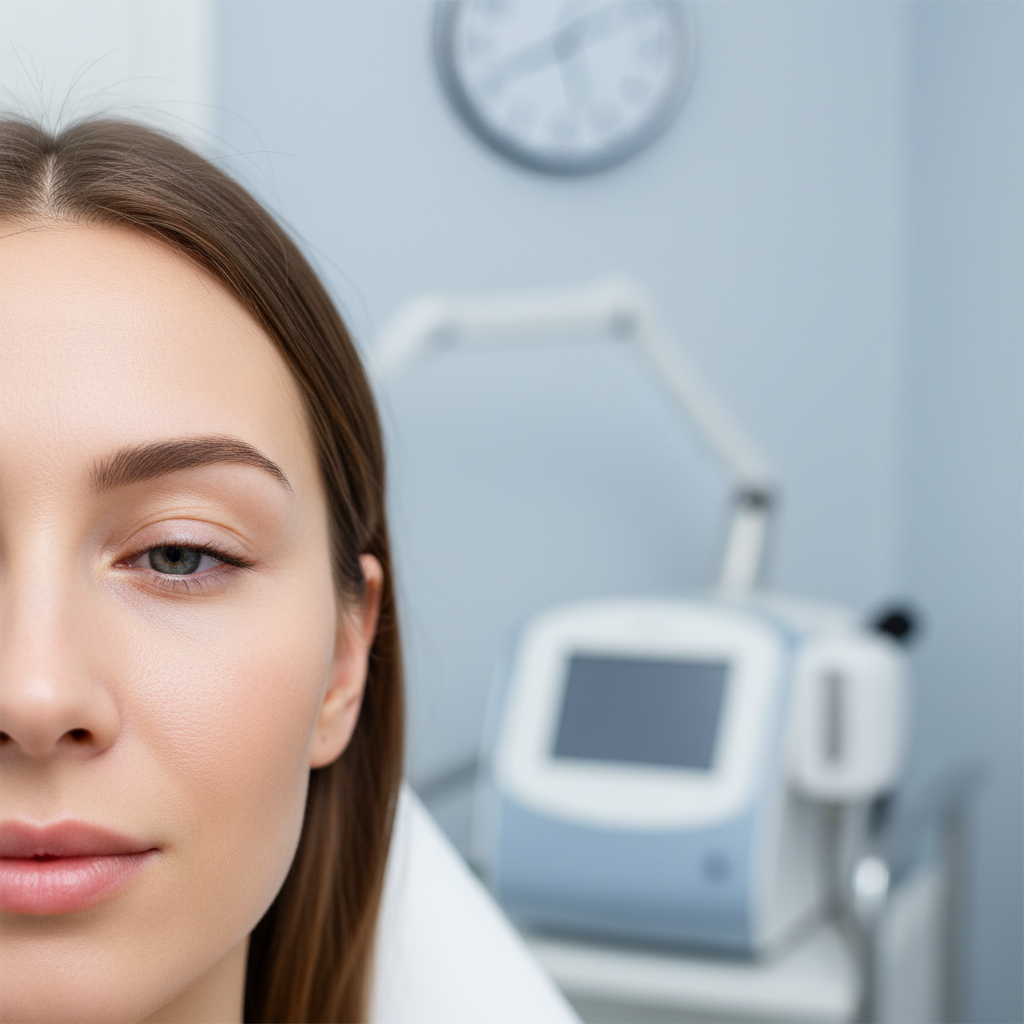
How Long Do Laser Eyelid Tightening Results Actually Last?
One of the most common questions people have when considering non-surgical cosmetic procedures is about the durability of the results. When it comes to laser eyelid tightening, the answer isn't a single number but a range that depends on several crucial factors. Generally, the visible improvements from a laser eyelid tightening treatment can last anywhere from two to five years.
This longevity is impressive for a non-invasive procedure, but it's important to understand that the treatment doesn't stop the natural aging process. Instead, it effectively "resets the clock" on the skin around your eyes by stimulating significant collagen production. The new, stronger collagen foundation provides the lift and tightness, but your body will continue to age, and collagen will naturally break down over time. Therefore, the results are long-lasting but not permanent.
Factors That Influence the Longevity of Your Results
Why do some people enjoy results for five years while others may see a decline after two? The duration of your laser eyelid tightening outcome is highly individual. Here are the primary factors that play a role:
- Your Age and Skin Condition: Younger individuals with better skin elasticity often experience longer-lasting results. Their bodies are naturally more efficient at producing and maintaining collagen. Older individuals or those with significant sun damage may find that their results, while still effective, may not last as long.
- Lifestyle Choices: Your daily habits have a significant impact on your skin's health and, consequently, the longevity of your treatment. Smoking, excessive alcohol consumption, and a poor diet can accelerate the aging process and break down collagen more quickly, shortening the lifespan of your results.
- Sun Exposure: This is perhaps the most critical factor. UV radiation from the sun is the number one enemy of collagen. Diligent use of broad-spectrum sunscreen (SPF 30 or higher) around the eyes is non-negotiable if you want to protect your investment and prolong the tightening effects.
- Skincare Routine: A consistent, high-quality skincare regimen can make a world of difference. Using products with ingredients like retinoids, peptides, and antioxidants helps support collagen production and protect the skin from environmental damage, extending the benefits of the laser treatment.
- Genetics: Some people are simply genetically predisposed to age more slowly or quickly than others. Your inherited traits will play a role in how long your body maintains the new collagen stimulated by the laser.
- Number of Initial Treatments: For optimal results, a practitioner may recommend a series of treatments rather than a single session. Completing the full recommended course creates a more robust collagen foundation, which typically leads to more durable and longer-lasting tightness.
Understanding the Science: How Laser Eyelid Tightening Works
To appreciate why the results last as long as they do, it's helpful to understand the science behind the procedure. Laser eyelid tightening isn't just a surface-level treatment; it works by targeting the deeper layers of the skin to trigger a natural healing and rejuvenation process.
The core principle is controlled thermal energy. A specialized medical laser delivers focused beams of light energy into the skin around the eyelids. This energy gently heats the underlying dermal tissue without harming the surface of the skin. This controlled heating has a twofold effect. First, it causes the existing collagen fibers to immediately contract, creating an instant, subtle tightening effect. This is often what patients notice right after a session.
The more significant, long-term result comes from the secondary effect: neocollagenesis. The thermal energy signals to the body that a "controlled injury" has occurred. In response, the body kicks its natural healing mechanisms into high gear, primarily by producing new, healthy collagen and elastin. Collagen is the protein that gives skin its structure and firmness, while elastin provides its snap-back quality. This process of new collagen generation doesn't happen overnight; it unfolds over the course of three to six months following the treatment. This is why the best results from laser eyelid tightening are typically seen several months after the final session.
Ablative vs. Non-Ablative Lasers
It's also worth noting there are different types of lasers used for this purpose. Non-ablative lasers, which are more common for this delicate area, heat the dermal tissue without removing the outer layer of skin. This results in minimal downtime. Ablative lasers are more aggressive, removing the outer layer of skin (epidermis) and heating the dermis. While they can produce more dramatic results, they also come with a longer recovery period. The type of laser used can influence both the immediate outcome and the long-term durability of the tightening effect.
Common Questions About Laser Eyelid Tightening
After learning about the basics, many people have follow-up questions about the specifics of the procedure and what to expect. Here are answers to some of the most frequently asked questions.
Is Laser Eyelid Tightening a Permanent Solution?
No, laser eyelid tightening is not considered a permanent solution, and it's important to have realistic expectations. The procedure does create a significant and long-lasting improvement by rebuilding the collagen framework in your skin. However, it cannot stop the continuous, natural aging process. Factors like gravity, genetics, environmental exposure, and lifestyle choices will continue to affect your skin over time.
Think of it as turning back the clock, not stopping it. While a surgical blepharoplasty (eyelid lift) removes excess skin and fat for a result that can last a decade or more, it is also a major surgical procedure with significant downtime and risks. Laser tightening offers a powerful non-surgical alternative for those with mild to moderate laxity who want meaningful improvement without the downtime of surgery. Maintenance treatments every few years can help preserve the results and keep the skin firm.
What Can I Do to Maximize My Results?
Protecting your investment and getting the most out of your treatment involves a proactive approach to skincare and wellness. The single most important action you can take is to practice rigorous sun protection. Apply a broad-spectrum SPF 30+ sunscreen around your eyes every single day, even when it's cloudy. Wearing sunglasses that offer UV protection and a wide-brimmed hat provides an extra layer of defense.
Beyond sun protection, adopting a dedicated skincare routine is crucial. Use a gentle cleanser, and incorporate a medical-grade eye cream containing ingredients like peptides, retinol, or vitamin C to support collagen health. Staying well-hydrated by drinking plenty of water and maintaining a balanced diet rich in antioxidants can also support skin health from the inside out. Finally, discuss a long-term plan with your provider. They may recommend a single maintenance session every 18-24 months to keep collagen production stimulated and your results looking fresh.
Who is an Ideal Candidate for This Procedure?
Laser eyelid tightening is most effective for individuals who are beginning to see the early signs of skin aging around the eyes. The ideal candidate typically has mild to moderate skin laxity, often described as "crepey" skin, fine lines, or slight hooding of the upper eyelid. They are looking for a noticeable improvement in skin tightness and texture without wanting to undergo surgery.
This procedure is not designed for individuals with significant excess skin, large under-eye bags caused by fat pads, or severe drooping (ptosis) that may impair vision. In those cases, a surgical blepharoplasty is often the more appropriate and effective solution. A good candidate should also have realistic expectations about the outcome, understanding that the results will be a natural-looking refreshment rather than a dramatic surgical transformation. A consultation with a qualified dermatologist or cosmetic practitioner is the best way to determine if you are a suitable candidate.
Conclusion
The longevity of laser eyelid tightening typically ranges from two to five years, making it a highly effective and durable non-surgical option for rejuvenating the eye area. The final duration of your results is not set in stone but is heavily influenced by your age, lifestyle, sun exposure habits, and skincare routine. By understanding how the technology works and taking proactive steps to protect your skin, you can maximize the benefits and enjoy a firmer, more youthful appearance for years to come.