Exploring the Rise of Birthstone Rings in Modern Jewelry Trends
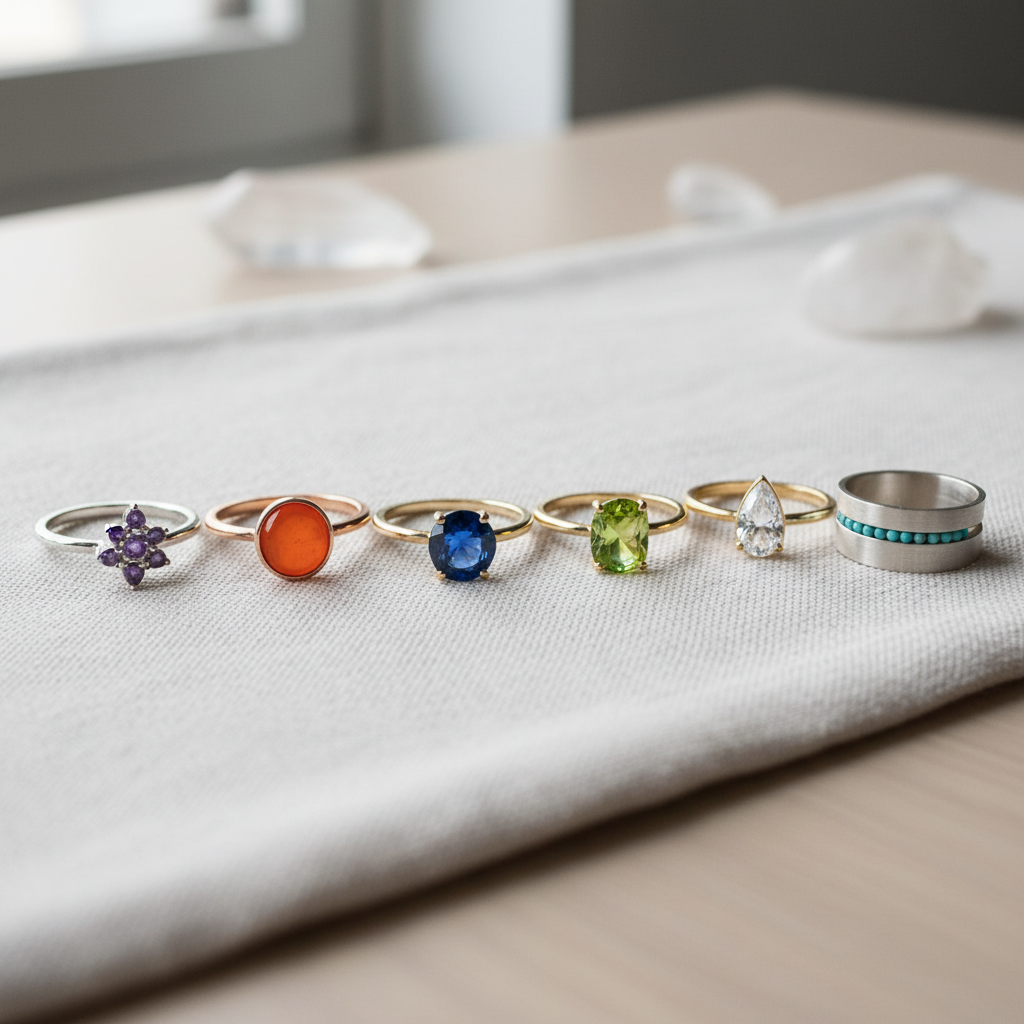
If you’ve noticed vibrant, colorful rings popping up everywhere from your social feed to your friends’ fingers, you’re seeing one of today’s biggest jewelry trends in action.
The Core Reasons Behind the Trend
Once seen as a classic gift for a milestone birthday, birthstone rings have exploded in popularity, becoming a must-have accessory for people of all ages. This isn't just a fleeting fashion moment; it's a significant shift in how we view and wear jewelry. Several key factors are driving this trend, transforming these personalized gems from a niche tradition into a mainstream style statement.
From their deep personal meaning to their vibrant aesthetic appeal, birthstone rings offer something that other jewelry often can't. They tell a story without saying a word. Let's explore the fundamental reasons why these beautiful rings are capturing everyone's attention.
Unmatched Personalization and Self-Expression
In a world of mass production, the desire for unique and personalized items is stronger than ever. Birthstone rings are the epitome of personalized jewelry. Each stone is tied to a specific month, instantly creating a piece that is intrinsically linked to the wearer's identity. It’s more than just a piece of jewelry; it’s a celebration of an individual's birth, their personality, and their unique place in the world. This level of personalization allows people to feel a deeper connection to their accessories.
This trend extends beyond just wearing one's own birthstone. People are now creating custom "family rings" by combining the birthstones of their children, spouse, or other loved ones into a single piece. This creates a beautiful, colorful, and deeply sentimental heirloom that tells the story of a family. It's a modern, wearable family tree that serves as a constant reminder of the people who matter most, making it a powerful form of self-expression and connection.
A Meaningful Connection to Loved Ones
Beyond personal identity, birthstone rings serve as powerful symbols of connection. Gifting a ring with the recipient's birthstone is a thoughtful gesture that shows care and attention to detail. It communicates that the giver recognizes and celebrates the recipient's individuality. Similarly, wearing the birthstone of a child, a partner, or even a cherished pet has become a popular way to keep loved ones close.
This emotional weight adds a layer of significance that other jewelry might lack. A simple amethyst ring isn't just a purple gem; it's a representation of a February-born daughter. A peridot represents an August anniversary. This symbolic power transforms the ring from a simple accessory into a treasured keepsake, imbued with memories and emotions that make it truly priceless to the wearer.
The Rise of Colorful and Unique Jewelry
The jewelry world has seen a major shift away from exclusively traditional, colorless diamonds. Consumers are embracing vibrant colors and unique gemstones that allow them to stand out. The birthstone chart is a rainbow of possibilities, offering everything from the fiery red of a ruby and the deep blue of a sapphire to the iridescent glow of an opal and the fresh green of an emerald. This variety caters perfectly to the modern consumer's desire for bold, expressive accessories.
This trend, often called "dopamine dressing," is about wearing colors and styles that boost one's mood. A brightly colored birthstone ring can be a small but significant source of joy. It allows people to break free from conventional jewelry norms and add a splash of personality to their daily attire, whether stacked with other rings or worn as a standalone statement piece.
An Affordable Alternative to Traditional Gems
While some birthstones like diamonds (April), rubies (July), and emeralds (May) can be quite expensive, many others offer a more accessible price point. Gemstones such as amethyst (February), garnet (January), citrine (November), and peridot (August) provide stunning color and beauty without the hefty price tag of traditional engagement or fine jewelry. This affordability makes them an excellent choice for a wider range of consumers.
This accessibility allows people to build a jewelry collection and experiment with different styles. It also makes birthstone rings a popular choice for self-purchase—a way to mark a personal achievement or simply treat oneself to something beautiful and meaningful. The lower cost doesn't mean a compromise on beauty, allowing more people to enjoy the luxury of owning a genuine gemstone ring.
The Influence of Celebrity Culture and Social Media
When celebrities and influencers embrace a trend, the public often follows, and birthstone jewelry is no exception. Royals like Kate Middleton and Meghan Markle have been seen wearing jewelry featuring their children's birthstones, which has significantly boosted the trend's visibility and appeal. Countless other celebrities have been photographed wearing their own birthstones, solidifying their status as a chic and fashionable choice.
Social media platforms like Instagram and Pinterest are visual mediums where jewelry trends thrive. Users share images of their beautifully styled birthstone rings, often stacked in creative combinations. This constant stream of inspiration shows people new and exciting ways to wear their birthstones, moving them from a traditional concept to a modern, style-forward accessory that is highly "shareable."
A Brief History of Birthstones and Their Meanings
The concept of connecting gemstones to specific times of the year is not a new one; its roots trace back thousands of years. Many scholars believe the tradition originates from the Breastplate of Aaron, a religious garment described in the biblical book of Exodus. This breastplate was set with twelve different gemstones, representing the twelve tribes of Israel. Later, first-century historian Josephus made the connection between these twelve stones and the twelve signs of the zodiac.
The idea was to own all twelve stones and wear the appropriate one each month to receive its therapeutic or talismanic benefits. However, the custom of wearing a single stone associated with one's birth month is a more modern development, gaining popularity in Poland and Germany around the 18th century. It wasn't until 1912 that the National Association of Jewelers in the United States standardized the list of birthstones that is most commonly used today. This official list helped solidify the tradition in Western culture, creating a clear and consistent guide for consumers.
Common Questions About Birthstone Jewelry
As birthstone rings continue to trend, many people have questions about choosing, wearing, and caring for them. Understanding the nuances can help you make a more informed and satisfying choice.
How Do I Choose the Right Birthstone Ring?
Choosing the right birthstone ring involves more than just picking the correct month. First, consider the metal. Yellow gold offers a classic, warm look that pairs beautifully with stones like emeralds and rubies. White gold, platinum, and silver provide a cool, modern backdrop that makes stones like diamonds, sapphires, and aquamarines pop. Rose gold has a romantic, vintage feel that complements morganite and amethyst wonderfully.
Next, think about the setting. A simple solitaire setting puts the focus squarely on the gemstone itself, highlighting its color and cut. A halo setting, which surrounds the center stone with smaller diamonds, can make the birthstone appear larger and add extra sparkle. For a more personal touch, consider a three-stone ring, which can represent the past, present, and future, or be used to incorporate the birthstones of other family members.
Can You Wear a Birthstone That Isn't Yours?
Absolutely! While the tradition is to wear the stone of your birth month, there are no hard and fast rules in modern jewelry fashion. Many people choose to wear a gemstone simply because they are drawn to its color, its aesthetic appeal, or the symbolic meaning associated with it. For example, you might wear a sapphire for its association with wisdom or an amethyst for its calming properties, regardless of your birthday.
Furthermore, wearing the birthstones of your children, partner, or parents is a very popular and sentimental practice. It’s a way to honor your loved ones and keep a symbol of them with you at all times. Ultimately, the most important factor is that you love the piece you are wearing. Jewelry is a form of self-expression, and you should feel free to wear any gemstone that resonates with you.
Are Birthstone Rings Durable Enough for Everyday Wear?
The durability of a birthstone ring largely depends on the specific gemstone. Gemstone hardness is measured on the Mohs scale, which ranks minerals from 1 (softest) to 10 (hardest). Stones with a higher rating are more resistant to scratches and are better suited for everyday wear. For example, sapphires and rubies (both a 9 on the Mohs scale) and diamonds (a 10) are extremely durable and excellent for rings worn daily.
On the other hand, softer stones like opal (5.5-6.5) and pearl (2.5-4.5) are more delicate and susceptible to scratching or damage. These gems are better suited for occasional wear or in protective settings like a bezel setting, which encircles the stone with metal. When choosing a ring for daily use, it's wise to consider the stone's hardness and choose a setting that will protect it from the rigors of your lifestyle.
In Conclusion: A Trend with Staying Power
The resurgence of birthstone rings is far more than a passing fad. It’s a reflection of our collective desire for jewelry that is not only beautiful but also personal, meaningful, and expressive. By combining vibrant color, affordability, and deep symbolic value, these gems offer a unique way to tell a personal story. Whether worn to celebrate oneself, honor loved ones, or simply add a pop of color, the birthstone ring has firmly established itself as a modern classic with enduring appeal.