Exploring the Rising Demand for Anesthetist Nurses in Healthcare
The demand for Certified Registered Nurse Anesthetists (CRNAs) is surging, and it’s not by accident.
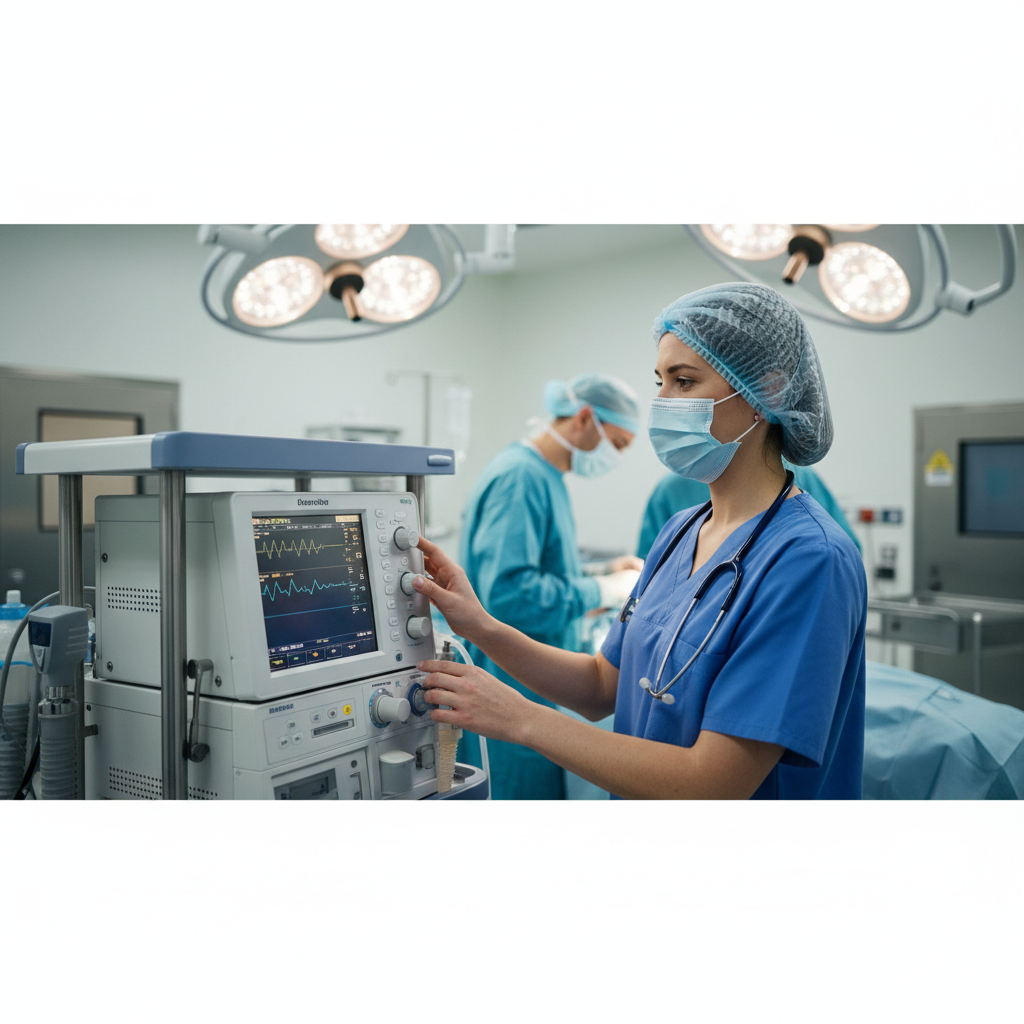
Key Factors Driving the Demand for Anesthetist Nurses
The healthcare landscape is in a constant state of evolution, and with it, the demand for certain medical professionals fluctuates. One role that has seen a consistent and significant surge in demand is the Certified Registered Nurse Anesthetist (CRNA), or anesthetist nurse. These highly skilled advanced practice registered nurses are integral to the safe and effective administration of anesthesia. Several converging factors are fueling this high demand, making it one of the most sought-after and stable careers in modern medicine.
1. An Aging Population and Increased Healthcare Needs
One of the most significant drivers is simple demographics. The large Baby Boomer generation is aging, leading to a substantial increase in the need for medical procedures that require anesthesia. From joint replacements and cardiac surgeries to cataract removals and colonoscopies, the volume of procedures performed on older adults is rising steadily. As this population requires more frequent and complex medical interventions, the need for qualified anesthesia providers grows in tandem.
CRNAs are perfectly positioned to meet this growing need. They provide anesthesia care for patients of all ages and across a spectrum of surgical and diagnostic procedures. Their expertise ensures patient safety and comfort during these essential medical events, making them a critical component of the healthcare system's response to the needs of an aging populace.
2. Cost-Effectiveness for Healthcare Facilities
In an era of rising healthcare costs, hospitals, surgical centers, and clinics are constantly seeking ways to provide high-quality care more efficiently. Anesthetist nurses offer a significant value proposition in this regard. As advanced practice nurses, CRNAs deliver anesthesia services that are comparable in safety and quality to those provided by their physician counterparts, but typically at a lower cost to the healthcare system. This cost-effectiveness allows facilities to manage their budgets better without compromising patient outcomes.
This financial advantage makes hiring CRNAs an attractive option for healthcare administrators. By integrating CRNAs into their care teams, facilities can allocate resources more effectively, potentially reducing the overall cost of surgical procedures for both the institution and the patient. This makes anesthetist nurses a cornerstone of sustainable and affordable healthcare delivery.
3. Expansion of Services to Rural and Underserved Areas
Access to healthcare, particularly specialized care like surgery, remains a major challenge in rural and medically underserved communities. CRNAs play a vital role in bridging this gap. In many rural hospitals across the United States, a CRNA is the sole anesthesia provider. They ensure that essential surgical, obstetric, and trauma stabilization services are available to communities that might otherwise have to travel long distances for care.
Their ability to practice with a high degree of autonomy, especially in states that have opted out of federal physician supervision requirements, makes them indispensable in these settings. By providing reliable and expert anesthesia care, CRNAs help keep rural hospitals open and functional, ensuring that all citizens have access to critical medical services regardless of their location.
4. A High Level of Autonomy and Advanced Training
Becoming a CRNA requires a rigorous and extensive educational path. It involves earning a bachelor's degree in nursing, gaining experience as a critical care nurse, and then completing a demanding doctoral or master's program in nurse anesthesia. This intensive training equips them with the knowledge and skills to practice with a significant level of independence. They are trained in all aspects of anesthesia care, including pre-operative patient assessment, anesthetic administration, and post-operative management.
This high level of training and the resulting autonomy make CRNAs incredibly versatile and valuable to employers. They can function as independent providers or as collaborative members of an Anesthesia Care Team alongside anesthesiologists. This flexibility allows healthcare facilities to structure their anesthesia departments in the most efficient way possible, further boosting the demand for these skilled professionals.
5. Versatility Across Diverse Medical Settings
The demand for anesthetist nurses is not confined to traditional hospital operating rooms. Their skills are required in a wide array of healthcare settings, which broadens their employment opportunities significantly. CRNAs are essential providers in ambulatory surgical centers, which handle a large volume of outpatient procedures. They also work in pain management clinics, assisting with interventional procedures to help patients manage chronic pain.
Furthermore, you can find CRNAs in dental and oral surgery offices, plastic surgery clinics, and even in military medical facilities on the front lines. This versatility means that the demand is spread across the entire healthcare industry, not just one segment. As more procedures move to outpatient settings to reduce costs, the need for CRNAs in these diverse environments is only expected to grow.
The Evolution of Nurse Anesthesia: A Brief History
The role of the nurse anesthetist is not a modern invention; it has deep roots in American history, born from necessity on the battlefield. The practice of nurses administering anesthesia began during the Civil War, where they were tasked with providing chloroform to wounded soldiers during surgery. This early work laid the foundation for a new nursing specialty dedicated to patient comfort and safety during medical procedures.
The profession was formally established in the late 19th and early 20th centuries. St. Vincent's Hospital in Erie, Pennsylvania, started the first school for nurse anesthetists in 1887, led by the pioneering nun, Sister Mary Bernard. However, it was Alice Magaw, working at the Mayo Clinic, who became known as the "Mother of Anesthesia" for her mastery of open-drop ether techniques and her meticulous record-keeping, which proved the safety and efficacy of nurse-administered anesthesia. Her work helped legitimize the profession and led to the creation of more formal training programs. The American Association of Nurse Anesthesiology (AANA) was founded in 1931, creating a national standard for education and practice that continues to guide the profession today.
Exploring Related Questions About the CRNA Profession
What does it take to become a Certified Registered Nurse Anesthetist (CRNA)?
The path to becoming a CRNA is one of the most challenging and demanding in the nursing field, requiring a significant commitment to education and clinical practice. The journey begins with a strong academic foundation, starting with earning a Bachelor of Science in Nursing (BSN) degree. After graduation, one must pass the NCLEX-RN exam to become a licensed Registered Nurse (RN).
Following licensure, aspiring CRNAs must gain critical care experience. This typically means working for at least one to three years in a high-acuity setting like an Intensive Care Unit (ICU), a Cardiac Care Unit (CCU), or a Surgical ICU. This hands-on experience is essential for developing the advanced assessment and decision-making skills needed for anesthesia. The final step is to be accepted into and graduate from an accredited nurse anesthesia program, which now culminates in a doctoral degree (Doctor of Nursing Practice or DNP). Upon graduation, candidates must pass the National Certification Examination to officially earn the CRNA credential.
What is the typical work environment for a CRNA?
One of the appealing aspects of a career as a CRNA is the variety of work environments available. The most common setting is the hospital, where CRNAs work in operating rooms, labor and delivery units, and emergency departments. In this environment, they may work collaboratively with anesthesiologists as part of an Anesthesia Care Team or, in many states, practice independently.
Beyond the hospital, CRNAs are in high demand in ambulatory surgical centers, also known as outpatient or same-day surgery centers. These facilities are a major source of employment as more surgical procedures are moved outside the hospital. Additionally, CRNAs can be found in private physician offices (such as plastic surgeons, dentists, and ophthalmologists), pain management clinics where they administer anesthesia for interventional procedures, and in the U.S. military, providing critical care to service members both at home and abroad.
How does a CRNA's role differ from an Anesthesiologist's?
While both CRNAs and Anesthesiologists are experts in providing anesthesia, their primary difference lies in their educational background and training model. A CRNA is an advanced practice registered nurse who has a background in nursing, while an Anesthesiologist is a medical doctor (MD or DO) who has completed medical school and a residency in anesthesiology. The nursing model focuses on a holistic, patient-centered approach to care, while the medical model is traditionally focused on a disease-centered approach.
In practice, their day-to-day responsibilities can be very similar. Both professionals are qualified to perform patient assessments, develop an anesthesia plan, administer the anesthetic, monitor the patient's vital signs during the procedure, and oversee their immediate recovery. They often work together in a team model, with the anesthesiologist supervising one or more CRNAs. However, in many states, laws permit CRNAs to practice independently without physician supervision, showcasing the high level of trust and responsibility placed in their professional capabilities.
Conclusion
The high demand for anesthetist nurses is not a temporary trend but a sustained reality shaped by powerful demographic, economic, and systemic forces. The combination of an aging population, the need for cost-effective healthcare, the critical role they play in underserved areas, and their extensive training makes CRNAs indispensable. As the healthcare system continues to evolve, the role of the anesthetist nurse is set to become even more crucial, ensuring their profession remains one of the most stable and respected in medicine.