Exploring the Rising Popularity of Ashley Furniture: What Sets It Apart
If you've noticed Ashley Furniture popping up more and more, you're not alone. The brand has found a real sweet spot, blending an impressive range of styles with surprisingly affordable price tags.
Key Reasons Behind Ashley Furniture's Rising Popularity
Over the last few decades, Ashley Furniture has transformed from a notable name in the furniture industry into a dominant force in homes across North America and beyond. Its remarkable growth isn't accidental but the result of a carefully crafted business model that resonates deeply with modern consumers. Several key factors contribute to its ever-expanding appeal, making it a go-to choice for millions of shoppers.
From budget-conscious first-time homebuyers to families looking to furnish a new space without breaking the bank, Ashley's strategy hits a sweet spot. Let's explore the specific reasons that have propelled this brand to the forefront of the furniture market.
1. Unbeatable Affordability and Value Proposition
Perhaps the most significant driver of Ashley Furniture's success is its aggressive pricing strategy. The company has mastered the art of providing stylish, on-trend furniture at a price point that is accessible to the average household. For many consumers, the ability to furnish an entire room for what a single piece might cost at a high-end retailer is an incredibly compelling proposition. This focus on affordability makes them a primary destination for young adults, new families, and anyone looking to maximize their budget.
This cost-effectiveness is largely achieved through a business model known as vertical integration. Ashley controls nearly every aspect of the supply chain, from designing the furniture and sourcing raw materials to manufacturing, shipping, and retail. By owning the process from start to finish, they eliminate many of the markups and middleman costs that inflate prices at other retailers. This efficiency is passed directly to the consumer in the form of lower prices, creating a powerful perception of value that keeps customers coming back.
2. A Massive and Diverse Selection of Styles
Variety is another cornerstone of Ashley's appeal. Unlike boutique brands that specialize in a single aesthetic, Ashley offers a vast and diverse catalog that caters to a wide spectrum of tastes. Whether a customer is looking for a rustic farmhouse dining set, a sleek and modern sectional, a timeless traditional bedroom suite, or a glamorous Hollywood-regency-inspired accent chair, they are likely to find multiple options at Ashley.
To make this enormous selection easier to navigate, the company often groups its products into "Lifestyle" collections. These curated collections bundle pieces with a cohesive design theme, helping customers visualize and purchase a complete, professionally-styled look for their room without the guesswork. This approach simplifies the decorating process and appeals to shoppers who may feel overwhelmed by interior design choices, allowing them to confidently select pieces that are guaranteed to coordinate.
3. Widespread Accessibility Through Physical and Online Stores
Ashley Furniture has built an impressive and extensive retail footprint that makes it incredibly easy for customers to shop. With over 1,000 Ashley HomeStore locations worldwide, a physical store is often just a short drive away for most people in the United States and many other countries. This physical presence allows customers to see, touch, and test the furniture in person—a crucial step for many when making a significant purchase like a sofa or mattress.
In addition to its dedicated HomeStores, Ashley Furniture is also sold through thousands of independent furniture dealers, further broadening its reach. Complementing this physical network is a robust and user-friendly e-commerce website. The online store showcases their entire catalog, provides detailed product information, and allows customers to shop from the comfort of their homes. This dual-pronged approach—combining the convenience of online shopping with the confidence of in-person showrooms—ensures they can capture customers no matter how they prefer to shop.
4. Strategic "Whole Room" Branding and Marketing
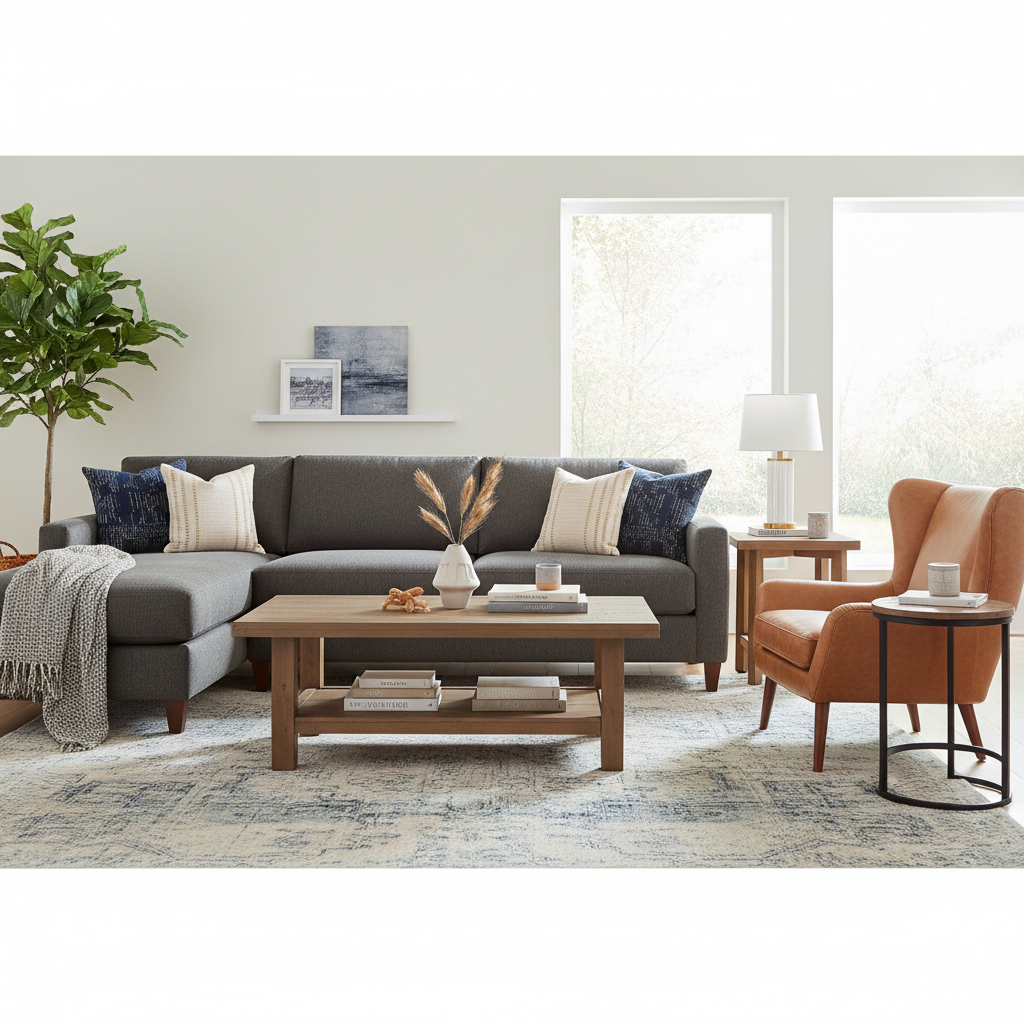
Ashley doesn't just sell individual pieces of furniture; it sells a vision. Their marketing and showroom layouts are expertly designed to present complete room packages. When you walk into an Ashley HomeStore or browse their website, you don't just see a sofa—you see a fully accessorized living room, complete with the sofa, matching loveseat, coffee table, end tables, rug, and lamps. This is a powerful sales tactic for several reasons.
First, it takes the stress out of coordinating different elements. Second, it inspires customers and encourages them to purchase more items to replicate the "look." By presenting these turnkey solutions, Ashley positions itself not just as a furniture seller but as a home design partner. This strategy resonates strongly with consumers who want a beautiful, cohesive home without hiring an interior designer or spending countless hours mixing and matching pieces from different stores.
5. Innovation in Design and Functional Features
While often recognized for affordability, Ashley Furniture also stays competitive by integrating modern features and innovations into its designs. The company pays close attention to how people live today and incorporates functionalities that cater to a tech-savvy lifestyle. It's common to find Ashley sofas and sectionals with built-in USB charging ports, power reclining mechanisms, adjustable headrests, and hidden storage compartments.
Furthermore, they invest in material technology, offering products with performance fabrics that are resistant to stains and spills—a major selling point for families with children or pets. Their dining tables may feature self-storing leaves for easy expansion, and bedroom sets often include thoughtful touches like nightstands with built-in power strips. By keeping their product line fresh and functional, Ashley demonstrates that affordable furniture doesn't have to be basic or outdated, further solidifying its appeal to a broad market.