Exploring the Rising Popularity of Historically Black Colleges Among Modern Students
Discover the compelling reasons why students are opting for these historically black colleges in the USA. In an evolving educational landscape, these institutions offer unique benefits from vibrant communities to personalized academic experiences.
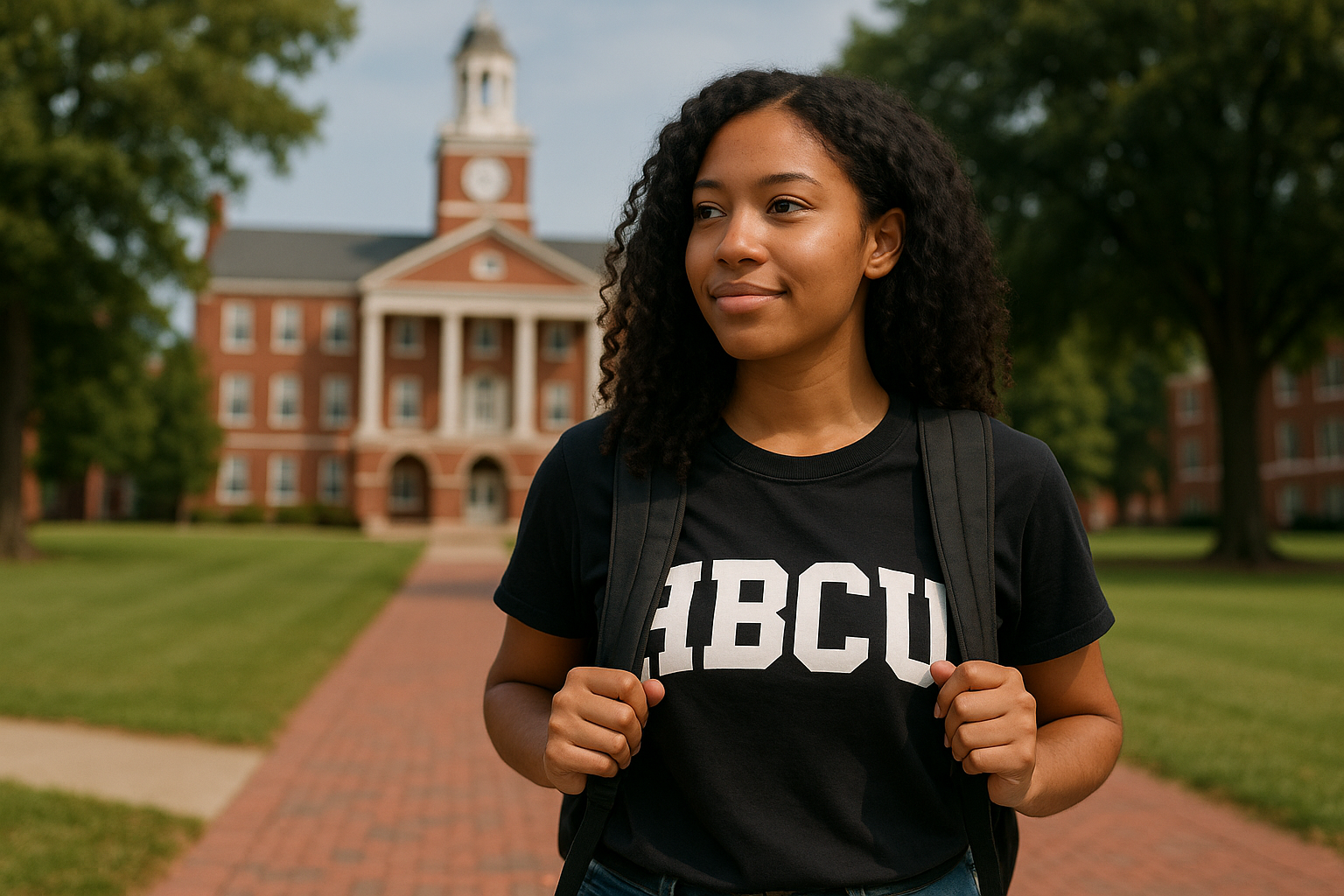
The Rise in Popularity of Historically Black Colleges and Universities (HBCUs)
Historically Black Colleges and Universities (HBCUs) have long played a pivotal role in the education landscape, serving as bastions of opportunity and empowerment within the African-American community. Over recent years, there's been a notable resurgence of interest in these institutions by students. Why are these colleges gaining increased attention? What makes HBCUs uniquely appealing to a new generation of students? Below, we delve into the reasons behind this trend.
Supportive Community and Cultural Affirmation
One of the most significant attractions of HBCUs is their reputation for offering a supportive and culturally affirming community. These institutions are unique in their ability to provide an environment where African-American culture, heritage, and history are celebrated and woven into all aspects of education and campus life.
For many students, attending an HBCU means being part of a community where they can see themselves represented amongst the faculty, administration, and their peers. This representation is crucial for fostering a sense of belonging and identity, which often translates into higher retention and graduation rates compared to other institutions.
The Success Stories and Notable Alumni
HBCUs boast an impressive roster of alumni who have become leaders across various sectors, including politics, entertainment, business, and academia. For instance, graduates like Vice-President Kamala Harris, who attended Howard University, highlight the potential paths of influence and change that HBCU graduates often pursue. These success stories inspire prospective students and solidify HBCUs' reputation for developing leaders.
- Politics: Stacey Abrams, a Spelman College alumna, has been a significant figure in American politics, known for her work in voter rights and engagement.
- Entertainment: Taraji P. Henson, an alumna of Howard University, has made significant contributions to the film and television industry.
- Business: Ursula Burns, a graduate of Howard University, became the first black woman CEO to head a Fortune 500 company, Xerox.
Financial Affordability and Value
Another appeal of HBCUs is their relative affordability compared to predominantly white institutions (PWIs). Many HBCUs continue to provide competitive tuition rates, which make higher education accessible to a larger demographic. Additionally, these institutions often offer ample financial aid and scholarship opportunities geared towards supporting minority students.
According to the latest figures from 2026, the average annual tuition at an HBCU is approximately 30% lower than that of a PWI. This cost-effective education model allows students to graduate with less debt, making HBCUs an attractive option for economically-conscious students.
Academic Excellence and Specialized Programs
HBCUs are renowned for their focus on academic excellence and offering specialized programs that cater to their student body's unique needs and aspirations. For example, they are particularly noted for producing a significant percentage of African-American professionals in fields such as science, technology, engineering, and mathematics (STEM), health care, and education.
According to a 2026 report, HBCUs produce nearly 25% of all African-American graduates in STEM fields, underscoring their pivotal role in diversifying these crucial sectors.
Social Impact and Community Engagement
HBCUs also emphasize the importance of social impact and community service, aligning with current generational shifts towards activism and community involvement. Many students choose these institutions for their commitment to social justice, activism, and the opportunity to engage in meaningful community projects that resonate with their values.
For example, organizations such as the Thurgood Marshall College Fund and the United Negro College Fund play a critical role in supporting HBCUs with resources that facilitate student success and community development.
Addressing Misconceptions and Increasing Awareness
Despite their growing popularity, there are still misconceptions about what HBCUs offer. Efforts to raise awareness about the critical role these institutions play are yielding positive results. Initiatives from alumni networks, partnerships with corporations, and endorsements from celebrities have been pivotal in changing public perception.
For example, in 2026, former President Barack Obama partnered with the United Negro College Fund to launch a campaign aimed at showcasing the academic and cultural importance of HBCUs, which has further fueled interest and investment in these institutions.
Conclusion: The Future of HBCUs
The renewed interest in Historically Black Colleges and Universities is more than just a trend; it is a testament to their foundational role in shaping leaders and advancing the African-American community. As these institutions continue to thrive, they stand as pillars of education that not only prepare students academically but also empower them socially and culturally for the challenges of today's world.
By understanding the unique advantages HBCUs offer, prospective students and parents can make informed decisions about their education, ensuring they choose a path that supports their values and ambitions.
For further reading, you can explore the in-depth resources from the National Center for Education Statistics, the United Negro College Fund, and the Thurgood Marshall College Fund.
References
- Howard University
https://howard.edu/ - Spelman College
https://www.spelman.edu/ - Morehouse College
https://morehouse.edu/ - North Carolina A&T State University
https://www.ncat.edu/ - Florida A&M University (FAMU)
https://www.famu.edu/ - Hampton University
https://home.hamptonu.edu/ - Tuskegee University
https://www.tuskegee.edu/ - Clark Atlanta University
https://www.cau.edu/ - Morgan State University
https://www.morgan.edu/ - Tennessee State University
https://www.tnstate.edu/