Exploring the Safety: Is It Safe to Mix Protein with Caffeine?
Curious about the combination of protein and caffeine? Explore the potential effects of consuming protein with caffeine and see how this dynamic duo might fit into your diet. While some people enjoy mixing their protein shakes with coffee, understanding the benefits and considerations is essential.
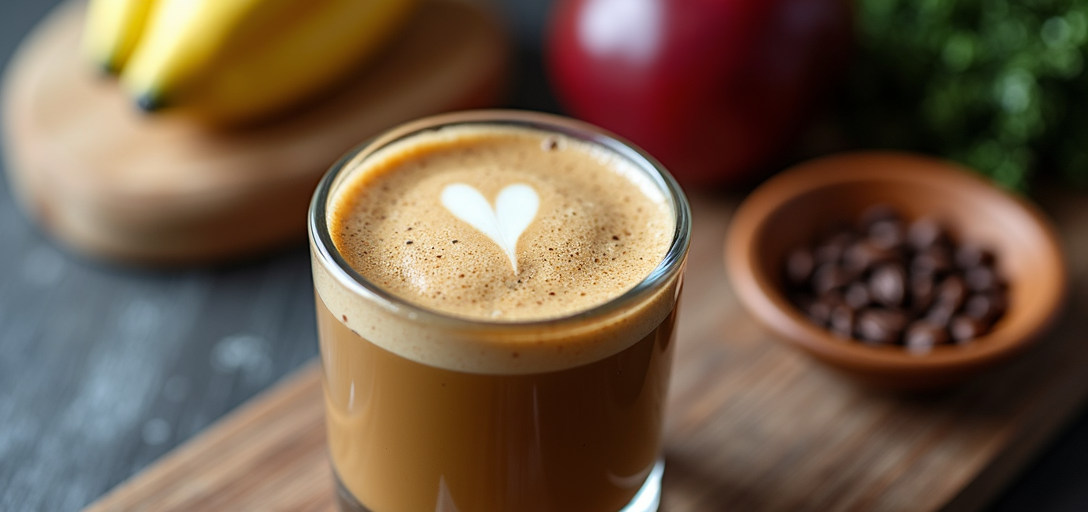
Understanding the Combination: Protein and Caffeine
The combination of protein and caffeine in diets has surged in popularity. With health-conscious individuals seeking effective ways to optimize their workouts and daily activities, understanding the interaction between these two is crucial. Although both are extensively consumed, questions about their compatibility and safety arise, leading many to ask: is it safe to consume protein with caffeine?
The Science Behind Protein and Caffeine
Protein is a vital macronutrient necessary for muscle repair, growth, immune function, and hormone production. Caffeine, a stimulant commonly found in coffee, tea, and energy drinks, is known for enhancing alertness and improving physical performance. The interaction between protein and caffeine can influence these functions significantly.
A 2026 study published in the Journal of Nutritional Science suggested that caffeine might aid in the breakdown of fatty acids, enhancing energy availability, which can complement the muscle-repair capabilities of protein post-exercise. However, it's important to consider the timing and form in which these are consumed to reap maximum benefits.
Potential Benefits of Combining Protein with Caffeine
Enhanced Workout Performance
Many athletes and fitness enthusiasts combine protein and caffeine to optimize workout performance. Protein helps prevent muscle breakdown post-exercise, while caffeine enhances endurance and reduces perceived effort during workouts.
- Increased Endurance: Caffeine enables you to perform longer and harder by making the muscles more efficient at using fat as energy. This effect allows protein's benefits of muscle maintenance and recuperation to be even more impactful.
- Improved Recovery: Post-workout nutrition is crucial. A combination of protein for muscle synthesis and caffeine's potential to lower muscle soreness can aid significantly in recovery.
Cognitive Benefits
Consuming protein with caffeine might provide cognitive benefits useful for both athletes and non-athletes alike. Caffeine's role in improving focus and concentration is well-known, while amino acids from protein can support neurotransmitter function, potentially enhancing overall mental clarity and productivity.
Potential Risks and Considerations
Caffeine Sensitivity
While many people tolerate caffeine well, individuals who are sensitive might experience side effects such as jitters, anxiety, or digestive issues. When combined with protein powders that often contain sweeteners and additional ingredients, the stimulant effect of caffeine could be heightened.
A vital consideration is the total caffeine intake from all sources. The FDA recommends a maximum of 400 milligrams per day for adults. Therefore, consumption should be monitored, especially when combining it with caffeine-containing proteins or supplements.
Protein Quality and Source
Quality of protein sources should always be considered. Protein powders can vary significantly in terms of ingredients and nutritional value. Opt for whey, casein, or plant-based proteins without excessive additives, sugars, or fillers. Additionally, pairing protein shakes with your usual caffeine source (e.g., coffee) rather than premade protein-caffeine products allows better control over the intake.
Real-World Applications and Examples
Many athletes have adopted the practice of having a protein shake with coffee before a workout. Olympic swimmer Michael Phelps is noted for consuming a caffeine-rich beverage alongside his protein intake to maximize performance. In contrast, bodybuilders might mix iced coffee with protein for a refreshing post-exercise recovery shake.
For those seeking a more controlled approach, products such as protein bars or ready-to-drink shakes infused with caffeine are readily available. Always check nutritional labeling to ensure it aligns with dietary needs and goals.
Practical Tips
- Energize Your Morning: Combine your morning coffee with a protein-packed breakfast, such as a smoothie or yogurt with protein powder, to boost your metabolism.
- Pre-Workout Boost: Drink a caffeine-infused beverage alongside a protein snack 30-60 minutes before your workout for enhanced performance.
- Mindful Consumption: Keep track of total caffeine and protein intake to ensure you meet your nutritional and health goals without overexerting your system.
Final Thoughts
Consuming protein with caffeine can be a beneficial strategy for many, especially when carefully moderated and individually tailored. Like any dietary addition, evaluating individual tolerance and ensuring balance will help leverage the benefits while minimizing any potential downsides. Moreover, consulting with a healthcare or nutrition professional can offer personalized guidance based on personal health conditions.