Exploring the Safety of Eating with Dental Clips
Wondering if you can eat normally with your new dental clips? It's a crucial question, as the answer involves the safety of both your teeth and the appliance itself.
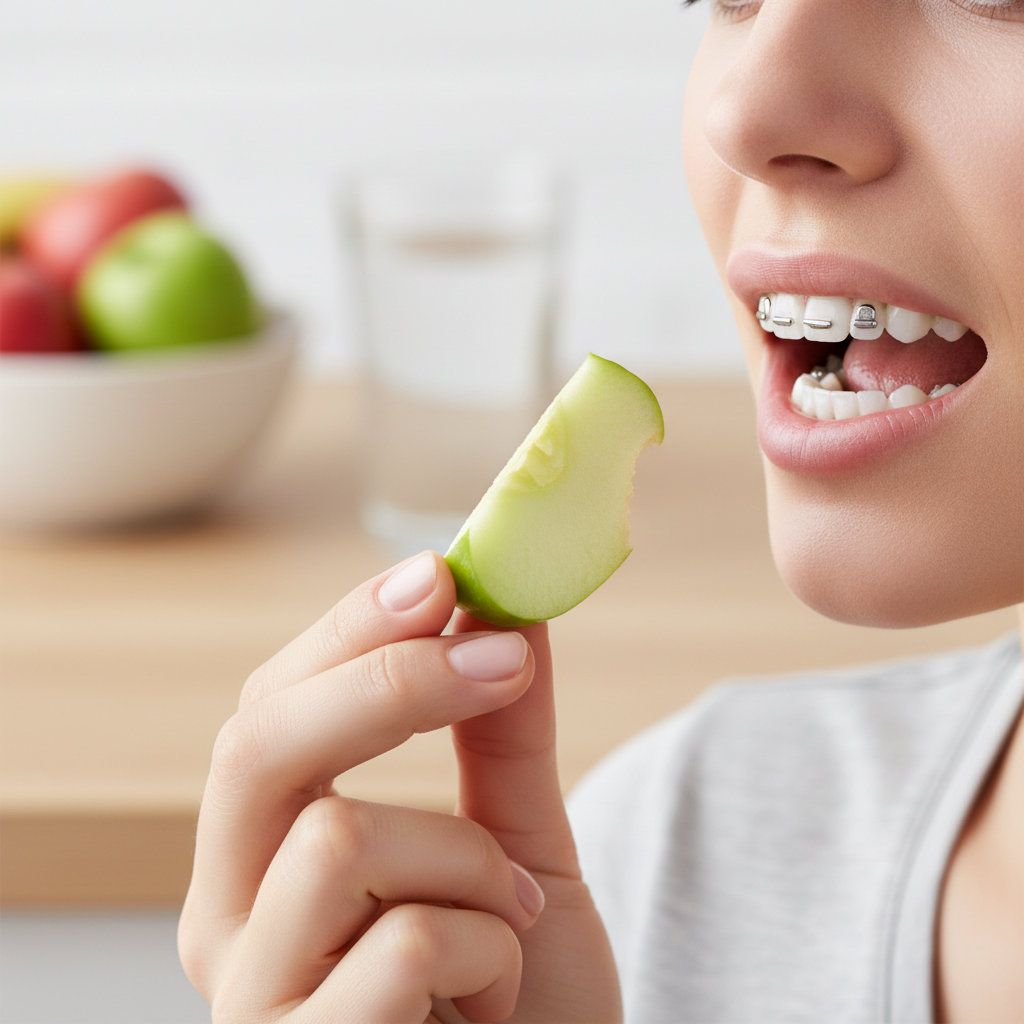
Is It Safe To Eat With Dental Clips? A Comprehensive Guide
Getting dental clips, commonly known as braces or orthodontic brackets, is a significant step toward achieving a healthier and more aligned smile. However, one of the most immediate questions people have is about daily life adjustments, especially concerning food. Is it safe to eat with dental clips? The short answer is yes, but it requires some changes in your eating habits to ensure the safety of your teeth and the effectiveness of your orthodontic treatment.
This guide will walk you through everything you need to know about eating with dental clips, from the types of foods to avoid to the proper techniques for enjoying your meals without causing damage.
Understanding the Challenges of Eating with Braces
Dental clips are small, delicate appliances bonded to your teeth. They are connected by an archwire, which applies gentle, continuous pressure to move your teeth into the correct position. Because these components are attached to your teeth, they can be vulnerable to damage from certain types of food. Biting into something hard, for example, can dislodge a bracket, while chewing something sticky can bend a wire. This not only causes discomfort but can also delay your treatment progress, leading to extra appointments and potentially higher costs.
Furthermore, food particles can easily become trapped in and around the brackets and wires. This creates a breeding ground for bacteria, increasing your risk of plaque buildup, cavities, and gum inflammation. Therefore, understanding how to eat safely is about protecting both your orthodontic hardware and your overall oral health.
Foods You Absolutely Must Avoid with Dental Clips
Your orthodontist will likely provide you with a list of foods to steer clear of, and it’s crucial to take this advice seriously. These foods are generally categorized by their texture and consistency, as they pose the greatest risk to your braces.
Hard Foods
Biting directly into hard foods can exert too much force on a bracket, causing it to break off the tooth. This is one of the most common causes of emergency orthodontic visits. Instead of giving them up entirely, you can often modify them by cutting them into small, bite-sized pieces.
- Ice: Never chew on ice. It’s incredibly hard and can easily break brackets and bend wires.
- Hard candies and nuts: These can crack your hardware. If you must have them, let hard candies dissolve in your mouth and choose softer nut butters instead of whole nuts.
- Hard pretzels and chips: The crunch might be satisfying, but it's a risk to your braces.
- Raw, hard vegetables and fruits: Carrots, apples, and corn on the cob should not be bitten into directly. Cut them into small pieces or cook them until they are soft.
Sticky and Chewy Foods
Sticky foods are notorious for getting caught in your braces and can be powerful enough to pull a bracket off or bend the archwire. They are also extremely difficult to clean out from around your hardware.
- Caramel, toffee, and taffy: These are among the worst offenders and should be avoided completely.
- Gum: Chewing gum can get wrapped around your brackets and wires, creating a sticky mess that’s hard to remove. Sugar-free gum is sometimes permitted by orthodontists, but always ask first.
- Gummy candies and fruit snacks: These get lodged in every nook and cranny, promoting tooth decay.
Foods That Require Tearing
Foods that you need to bite into and tear with your front teeth can put excessive strain on the front brackets, which are often the most vulnerable.
- Beef jerky: The tough, fibrous texture requires a lot of pulling and chewing.
- Hard-crusted bread or pizza crusts: Biting into a tough crust can easily dislodge a bracket. Tear them into small pieces instead.
- Meat on the bone: Ribs and chicken wings should be carefully eaten by cutting the meat off the bone first.
Safe and Recommended Foods for People with Dental Clips
While the list of forbidden foods might seem long, there are still plenty of delicious and nutritious options you can enjoy safely. The key is to choose softer foods that are easy to chew and less likely to cause damage or get stuck.
Excellent Food Choices Include:
- Soft fruits: Bananas, berries, grapes, melon, and peeled peaches are all great choices.
- Cooked vegetables: Steamed or boiled vegetables like mashed potatoes, carrots, peas, and spinach are easy on your braces.
- Dairy products: Yogurt, cheese, and milk are soft and provide essential calcium for strong teeth.
- Grains: Soft-cooked pasta, rice, oatmeal, and soft breads are generally safe.
- Proteins: Tender-cooked meats (like shredded chicken or ground beef), fish, tofu, and scrambled eggs are all excellent options.
- Desserts: Ice cream (without hard chunks), pudding, Jell-O, and soft cakes are safe treats.
The Purpose and Function of Dental Clips in Orthodontics
To fully appreciate why eating habits must change, it helps to understand what dental clips do. "Dental clips" is a common term for orthodontic brackets, which are the cornerstone of traditional braces. These small squares, typically made of stainless steel, ceramic, or a composite material, are bonded directly to the surface of each tooth using a special dental adhesive. Each bracket has a tiny slot through which an archwire is passed. This archwire is the active component that does the real work of moving the teeth.
The system works by applying gentle, constant pressure. The archwire is shaped into an ideal dental arch, and when it’s threaded through the brackets, it tries to return to its original shape, pulling the teeth along with it. Small elastic ties or built-in clips (in the case of self-ligating braces) hold the wire in the bracket slot. Over time, this sustained pressure stimulates a biological process where bone on one side of the tooth root dissolves while new bone forms on the other side, allowing the tooth to move. This is a slow, meticulous process, and any disruption—like a broken bracket or bent wire from eating the wrong food—can halt progress and extend the overall treatment time.
Common Questions About Living with Dental Clips
How Do You Clean Your Teeth and Clips After Eating?
Proper oral hygiene is more critical than ever when you have braces. Food particles become trapped very easily, and if not removed, they can lead to plaque, which causes cavities, white spots (decalcification), and gum disease. After every meal or snack, it is essential to brush your teeth thoroughly. An interproximal brush (a small, cone-shaped brush) is invaluable for cleaning between brackets and under the archwire where a regular toothbrush can't reach.
Flossing is also non-negotiable, though it can be more time-consuming. A floss threader or specialized orthodontic floss (like Oral-B Super Floss) is necessary to guide the floss under the archwire. This allows you to clean between the teeth and along the gumline effectively. Many people with braces also find a water flosser (like a Waterpik) to be an excellent tool for dislodging food particles from around the hardware before brushing and flossing.
What Happens If a Dental Clip Comes Loose or Breaks?
Despite your best efforts, a bracket might occasionally come loose or a wire might pop out of place. This is not usually a major emergency, but it should be addressed promptly. If a bracket becomes detached from the tooth but is still attached to the wire, you can use orthodontic wax to cover it and prevent it from irritating your cheek or gums. If a wire is poking you, you can also use wax to cover the sharp end.
You should call your orthodontist’s office as soon as possible to let them know what happened. They will advise you on whether you need to come in immediately for a repair or if it can wait until your next scheduled appointment. Leaving a broken bracket unfixed for too long can disrupt the movement of your teeth and potentially prolong your treatment timeline, so it's important not to ignore it.
Can You Drink Coffee, Tea, or Soda with Dental Clips?
You can drink these beverages, but with caution. Sugary drinks like soda and fruit juice can contribute to tooth decay, as the sugar can get trapped around the brackets and feed plaque-causing bacteria. Acidic drinks can also erode tooth enamel. If you do consume them, it’s best to drink them in moderation and rinse your mouth with water afterward, followed by brushing about 30 minutes later.
Darkly colored beverages like coffee, tea, and red wine can also pose a staining risk. The adhesive used to bond the brackets is porous and can stain, as can the elastic ties that hold the wire in place. More importantly, the tooth surface under the bracket is protected, but the exposed enamel around it can become stained. This can lead to noticeable, lighter-colored squares on your teeth once the braces are removed. Using a straw can help minimize contact with your front teeth.
Conclusion
Eating with dental clips is perfectly safe, provided you are mindful and willing to make some adjustments. By avoiding hard, sticky, and chewy foods and adopting excellent oral hygiene habits, you can protect your orthodontic investment and ensure your treatment proceeds smoothly and effectively. While it may seem like a challenge at first, cutting food into smaller pieces and choosing softer options will quickly become second nature. These small sacrifices are well worth the final reward: a beautiful, healthy, and perfectly aligned smile.