Exploring the Southern Seas: A Unique 3-Night Cruise from Lyttelton to Dunedin
A three-night cruise from Lyttelton to Dunedin is a fantastic way to experience New Zealand's stunning coastline from a unique perspective. If you're wondering exactly what this short but scenic journey entails, we’ve got you covered.
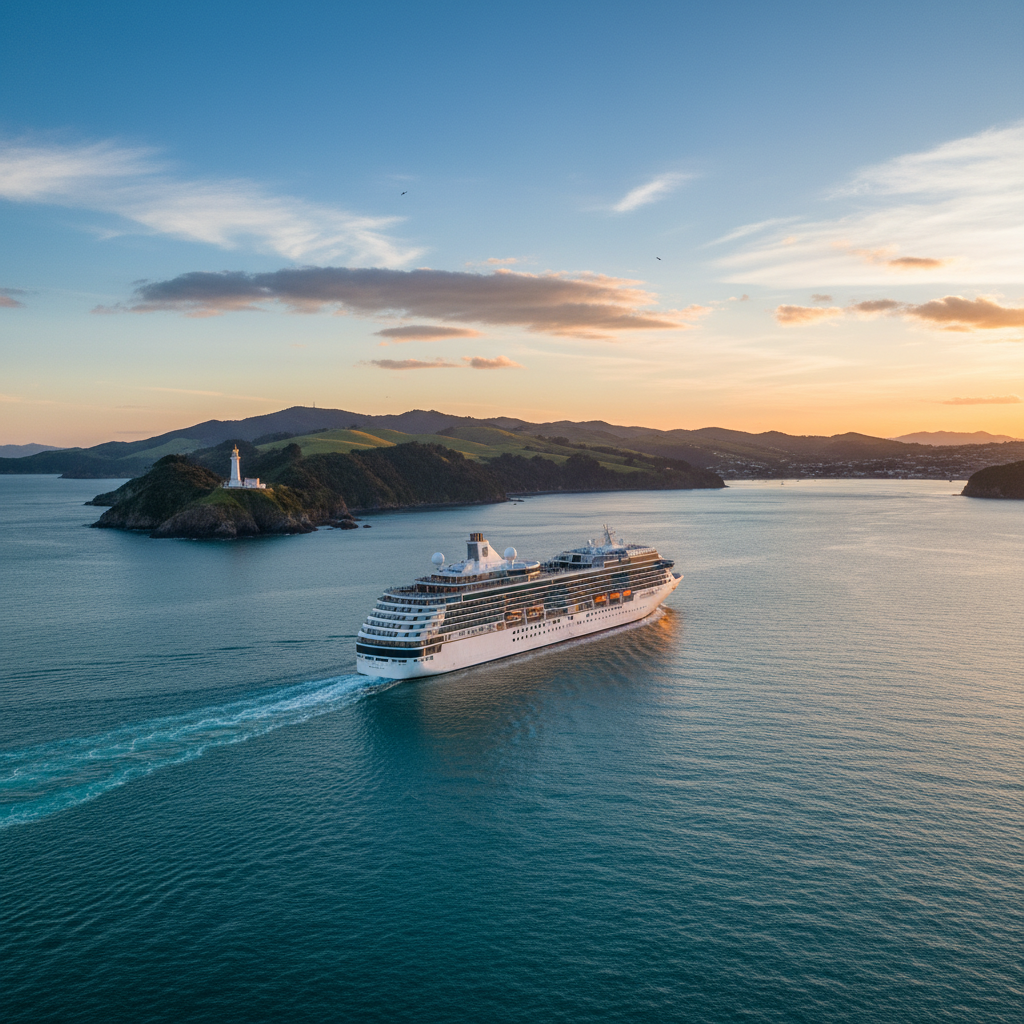
A Guide to the 3-Night Cruise from Lyttelton to Dunedin
Embarking on a short coastal cruise can be a remarkable way to experience a country's landscape from a unique perspective. The journey from Lyttelton, the port of Christchurch, down to Dunedin offers a stunning glimpse into the rugged beauty of New Zealand's South Island east coast. This three-night voyage is a compact adventure, perfect for those looking to sample the cruising life or see familiar shores in a new light. It's a trip defined by dramatic cliffs, hidden bays, and abundant marine life, all experienced from the comfort of a modern cruise vessel.
Unlike longer international itineraries, this coastal trip focuses intently on the journey itself. Passengers can expect a more relaxed pace, with the ever-changing coastline being the primary attraction. This guide breaks down what you can typically expect day-by-day on a three-night cruise from Lyttelton to Dunedin, offering insights into the route, potential sights, and the overall experience.
Day 1: Departure from Historic Lyttelton
Your journey begins in Lyttelton, a historic port town nestled in a volcanic crater on the Banks Peninsula. The atmosphere here is rich with maritime history, and the port itself is a bustling hub. Most cruises schedule embarkation for the mid-afternoon, giving you ample time to explore Christchurch or Lyttelton itself before boarding. The check-in and boarding process is usually straightforward, and once onboard, you’ll have time to find your cabin, get acquainted with the ship's layout, and attend the mandatory safety drill.
As the ship prepares to depart in the late afternoon or early evening, find a spot on one of the upper decks. The sail-away from Lyttelton is a scenic highlight. The vessel will navigate through the long, picturesque harbour, flanked by the steep, green hills of the ancient volcano. You’ll pass by small settlements like Diamond Harbour and Quail Island before reaching the harbour heads and entering the open waters of the Pacific Ocean. The initial leg of the journey often involves a scenic cruise around the Banks Peninsula, a landmass famous for its dramatic sea cliffs, deep coves, and French-influenced town of Akaroa. This is a prime opportunity for photography as the setting sun casts a warm glow over the landscape.
Day 2: Cruising the Canterbury and Otago Coastline
The second day is spent entirely at sea, but this is far from a day of empty horizons. The ship's route hugs the coastline, providing a continuous panorama of the South Island’s eastern edge. After a leisurely breakfast, you can spend the morning enjoying the ship’s amenities—perhaps a visit to the spa, a workout in the gym, or simply relaxing in a lounge with a book. Many cruise lines operating this route will offer enrichment lectures during the day, with experts providing commentary on the region's geology, history, or wildlife.
As you travel south, the landscape transforms from the rolling plains of Canterbury to the more rugged and dramatic coastline of Otago. You'll pass the mouth of the Waitaki River, a significant braided river system that marks the boundary between the two regions. Further south, the ship may offer distant views of the coastal town of Oamaru, known for its Victorian architecture and colonies of blue penguins. One of the most anticipated sights is the stretch of coast near the Moeraki Boulders. While you won't see the spherical stones up close from the ship, the unique geology of the area is still apparent. This day is a prime opportunity for wildlife spotting. Keep your eyes peeled for Hector's dolphins, the world's smallest and rarest marine dolphin, which are endemic to New Zealand's coastal waters. Fur seals can often be seen lounging on coastal rocks, and the skies are typically busy with a variety of seabirds, including petrels and gannets.
Day 3: Arrival and Exploration in Dunedin
On the morning of the third day, you’ll wake up to the scenic approach to Otago Harbour. This is another spectacular sailing experience. The ship will navigate a long, narrow channel, with the Otago Peninsula on one side and the mainland on the other. This peninsula is a world-renowned eco-tourism destination, famous for being the only mainland breeding colony of Northern Royal Albatross in the world. As you sail towards Port Chalmers, the deep-water port for Dunedin, you’ll see rolling green hills, small bays, and the charming settlement of Portobello.
The ship will dock at Port Chalmers, a town with a proud maritime history and a quaint, artistic vibe. Disembarkation usually occurs after breakfast. From here, you have a full day to explore. Most cruise lines offer organized shore excursions into Dunedin city, which is about a 15-20 minute drive away. Alternatively, you can take a local shuttle or taxi. Dunedin itself is a city celebrated for its Scottish heritage, striking Victorian and Edwardian architecture, and vibrant student population. You could visit the historic Dunedin Railway Station, explore the octagon in the city center, or discover the collections at the Otago Museum. For nature lovers, a trip back out to the Otago Peninsula to visit the Royal Albatross Centre or a penguin colony is a must-do. After a day of exploration, you will return to the ship in the late afternoon for your final night onboard, often docked in the peaceful setting of Port Chalmers.
The Maritime Connection: A Journey Through Coastal History
The sea route between Lyttelton and Dunedin is more than just a scenic passage; it's a journey along a coastline steeped in history. For centuries, these waters were vital highways for Māori, who navigated the coast in waka (canoes) for trade, travel, and fishing. The coastline is dotted with the names of significant ancestors and mythological events, and many pā (fortified villages) were strategically located on headlands overlooking the sea, providing both defense and access to marine resources.
With the arrival of Europeans in the 19th century, this maritime connection intensified. Lyttelton and Port Chalmers became the two primary gateways for settlers arriving in the Canterbury and Otago regions, respectively. The First Four Ships carrying organized British settlers to Canterbury arrived in Lyttelton in 1850, cementing its role as the region's premier port. Similarly, Port Chalmers was the landing point for Scottish settlers who founded Dunedin in 1848 and later became the main port for the Otago Gold Rush of the 1860s. This influx of people and wealth transformed Dunedin into New Zealand's largest and most prosperous city for a time, a legacy still visible in its grand architecture. Cruising this route offers a unique perspective on how the sea shaped the development, culture, and economy of these two foundational South Island provinces.
Frequently Asked Questions About the Cruise
What is the Best Time of Year to Take This Cruise?
The ideal time for a coastal cruise from Lyttelton to Dunedin largely depends on your priorities. The summer months, from December to February, offer the warmest weather and the longest daylight hours. This is the peak season, providing the best conditions for relaxing on deck and enjoying the scenery. The seas are also generally calmer during this period, which is a bonus for those prone to motion sickness. However, this is also the busiest and most expensive time to travel.
The shoulder seasons of spring (September to November) and autumn (March to May) are excellent alternatives. During these months, the weather can still be very pleasant, but you'll encounter fewer crowds. Autumn, in particular, can offer stable, sunny weather and beautiful light. Spring is a fantastic time for wildlife enthusiasts, as many seabirds are nesting and marine mammal activity can be high. Winter (June to August) is the least common time for these cruises, as the weather is colder, days are shorter, and sea conditions can be more challenging, though you might be rewarded with crisp, clear days and dramatic, snow-dusted coastal hills.
What Kind of Wildlife Can Be Spotted Along the Coast?
The coastline between Canterbury and Otago is a haven for marine and bird life, making wildlife spotting a major highlight of the cruise. The most sought-after sighting is often the Hector's dolphin, one of the smallest and rarest dolphins in the world, frequently seen playing in the ship's bow wave close to shore, especially around the Banks Peninsula.
New Zealand fur seals (kekeno) are another common sight, often found hauled out on rocky outcrops and shorelines along the entire route. As you approach the Otago Peninsula, the birdwatching becomes truly world-class. This area is famous for its seabird colonies. Look to the skies for the magnificent Northern Royal Albatross, which boasts a wingspan of over three meters. You may also spot shags (cormorants), gannets, petrels, and various types of penguins, including the Little Blue Penguin (kororā) and the rare Yellow-Eyed Penguin (hoiho).
What Should I Pack for a Short New Zealand Coastal Cruise?
Packing for a New Zealand cruise, even a short one, is all about preparing for variable weather. The key is to bring layers. Even on a warm summer day, the wind out on the open deck can be cool. A lightweight, waterproof, and windproof jacket is essential regardless of the season, as coastal weather can change in an instant. Include a mix of short-sleeved and long-sleeved tops, a warm fleece or sweater, and comfortable trousers or jeans.
For your time onboard, the dress code is generally casual. Some cruise lines may have a "smart casual" evening, but formal wear is rarely required on these short coastal itineraries. Pack comfortable walking shoes for your day exploring Dunedin. Don't forget essentials like sunscreen, a sun hat, and sunglasses, as the New Zealand sun is notoriously strong. Finally, a pair of binoculars is highly recommended to get the best views of the distant coastline and to help you spot wildlife from the deck.
Conclusion
A three-night cruise from Lyttelton to Dunedin is a wonderful micro-adventure that showcases the stunning natural beauty and rich history of New Zealand's east coast. It combines the relaxation of life at sea with the thrill of discovery, offering a constantly changing view of dramatic landscapes and opportunities to spot unique wildlife. From the historic departure at Lyttelton to the scenic arrival at Port Chalmers, this short voyage provides a memorable and unique perspective on a celebrated part of the South Island.
For more information on the ports of call, you can visit the official websites for the Lyttelton Port Company and the Dunedin City destination site.