Exploring the Top Ten Innovative Intimate Gadgets
The world of intimate tech has exploded with innovation, and navigating the options can feel overwhelming. That’s why we’ve done the research, sorting through countless devices to identify the ten gadgets that truly stand out from the crowd.
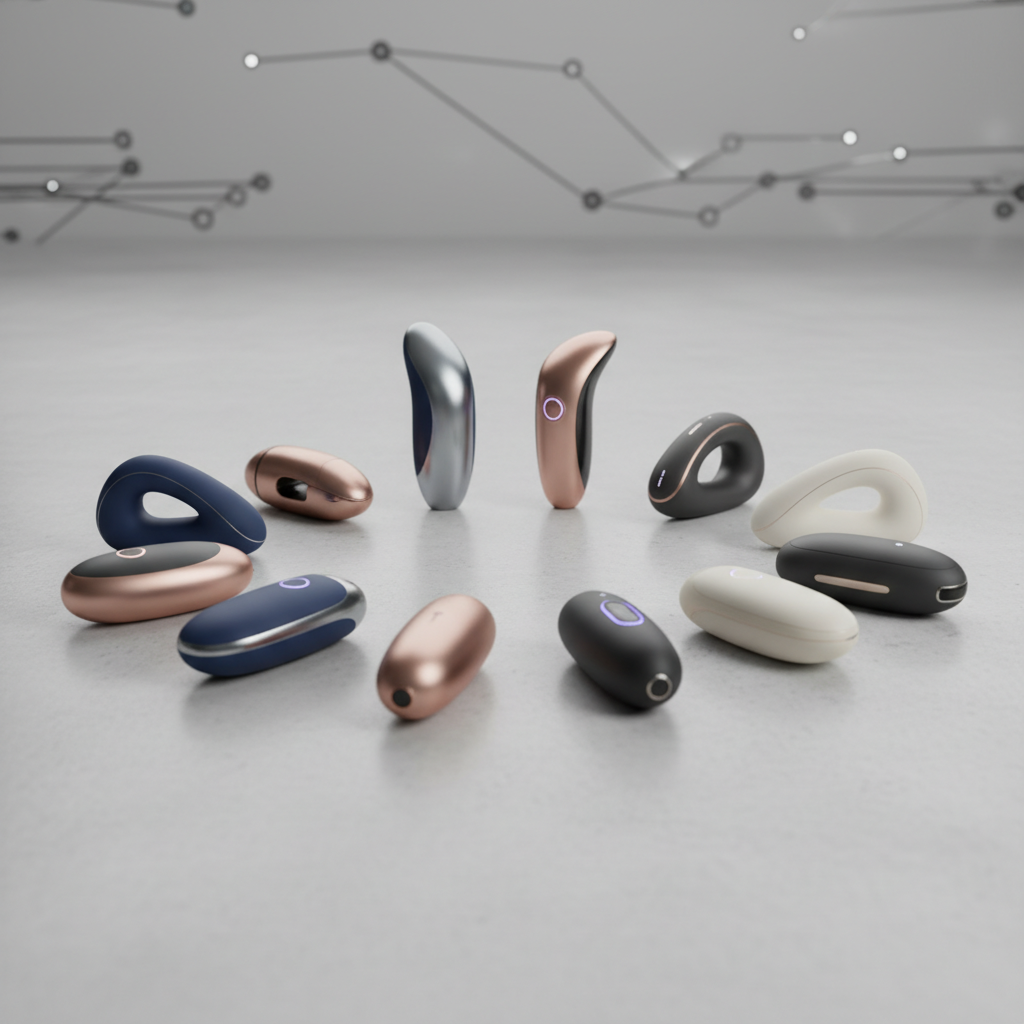
Exploring the Top Ten Gadgets in Intimate Devices
The world of personal wellness has seen a remarkable fusion of technology and design, leading to a new generation of intimate devices. These gadgets go far beyond simple functions, incorporating smart connectivity, innovative materials, and user-centric features to enhance personal experiences. This list explores ten of the most notable types of gadgets that represent the cutting edge of the industry, focusing on their technology and functional benefits in a purely informational capacity.
1. Smart Wand Vibrators
The classic wand massager has been a staple for decades, known for its deep, rumbly vibrations. The "smart" evolution of this device has taken its capabilities to a new level. Modern smart wands are often equipped with Bluetooth technology, allowing them to connect seamlessly to a smartphone app. This connectivity unlocks a world of customization that was previously impossible. Users can create their own vibration patterns, adjusting the intensity and rhythm with a simple swipe on their screen. Many apps also feature pre-set patterns or the ability to sync vibrations to the beat of a favorite song or even ambient sounds.
Beyond app control, manufacturers have focused on refining the hardware itself. Motors are more powerful yet quieter than ever, and many models feature flexible heads made from premium, body-safe silicone for ergonomic comfort. Some high-end smart wands even incorporate touch-sensitive controls directly on the device, allowing for intuitive intensity changes without needing to reach for a phone. This blend of raw power and intelligent control makes the smart wand a highly versatile and popular gadget in the modern wellness market.
2. U-Shaped Couples' Vibrators
Designed specifically for partnered activities, U-shaped couples' vibrators have revolutionized how couples can share sensations. The unique shape allows the device to be worn by one partner during intercourse, providing simultaneous stimulation for both individuals. One arm of the "U" is inserted to stimulate the G-spot, while the external arm rests against the clitoris. This dual-focus design is the primary innovation, creating a shared and intensified experience.
The technology integrated into these devices further enhances their function. Most are controlled via a small remote or a smartphone app, giving either partner the ability to change patterns and intensities in the moment. This adds an element of playful interaction and communication. Advanced models feature multiple motors in each arm, allowing for independent control of the internal and external vibrations. The use of flexible, body-safe silicone ensures the device adapts comfortably to different body shapes and positions, making it a powerful tool for mutual exploration.
3. Air Pulse Stimulators
One of the most significant technological breakthroughs in recent years has been the development of air pulse technology. Unlike traditional vibrators that use mechanical friction, these devices use changes in air pressure to create gentle-to-intense waves of suction and pulsation. The sensation is often described as being completely different from vibration, as it stimulates nerve endings without direct contact. The device’s head, typically a soft silicone nozzle, creates a seal around the clitoris, and an internal membrane oscillates to produce the air pulses.
This technology, popularized by brands like Womanizer and Satisfyer, has been a game-changer for many users. The primary benefit is its ability to create intense sensations that can lead to powerful climaxes without causing the overstimulation or numbness that some people experience with conventional vibrators. The gadgets come in various shapes and sizes, from small, discreet models to larger, more ergonomic designs, all centered around this innovative and highly effective air pulse mechanism.
4. Smart Pelvic Floor Trainers
Moving into the realm of health and wellness, smart pelvic floor trainers, or Kegel exercisers, use technology to transform a mundane exercise into an engaging, trackable activity. These small, ergonomically shaped pods are inserted like a tampon and connect to a smartphone app. They contain tiny sensors that measure the pressure and contraction of the pelvic floor muscles as the user performs exercises, providing real-time biofeedback directly on the phone's screen.
The app acts as a personal trainer, guiding users through different workout routines, often gamified to make the process more fun and motivating. It tracks progress over time, showing improvements in strength, endurance, and control. The benefits of a strong pelvic floor are well-documented and include improved bladder control, better core stability, and enhanced sexual sensation. By combining medical-grade silicone with sophisticated sensor technology, these gadgets empower users to take control of a crucial aspect of their physical health in a modern, data-driven way.
5. App-Controlled Anal Toys
Technology has also enhanced the design of anal toys, particularly butt plugs. Modern versions often integrate Bluetooth-controlled motors, allowing for a hands-free and interactive experience. The primary appeal of app control is the ability for a user or their partner to cycle through various vibration patterns and intensities from a distance. This feature is especially popular among long-distance couples, as it allows them to share an intimate experience from anywhere in the world with an internet connection.
From a design perspective, these devices prioritize both safety and comfort. They are almost exclusively made from non-porous, body-safe silicone and feature a flared base, which is a critical safety feature to prevent the toy from traveling too far into the body. The motors are engineered to be powerful yet quiet for discretion, and the ergonomic shapes are designed to be comfortable for extended wear. The fusion of thoughtful design with interactive technology has made these gadgets a popular choice for solo and partnered exploration.
6. Heated Vibrators
Temperature play is a well-known way to enhance sensation, and manufacturers have begun incorporating this element directly into their devices. Heated vibrators contain a small, internal warming element that safely raises the temperature of the device's tip or body to just above body temperature, typically around 104°F (40°C). This gentle warmth can help relax muscles, increase blood flow to the area, and create a more comfortable and soothing sensation.
The technology is carefully regulated by internal thermostats to ensure it never gets too hot, prioritizing user safety. The warming feature is usually optional, allowing the user to turn it on or off as desired. When combined with powerful vibration motors, the added heat can create a deeply satisfying and immersive experience. This feature is now found in a variety of device types, from G-spot vibrators to wands, adding another sensory layer to personal wellness.
7. Remote Control Panty Vibrators
Designed for discretion and adventurous play, panty vibrators are small, thin devices held in place by underwear. Their primary technological feature is a wireless remote control or app connectivity, which allows the user or a partner to operate the device without any physical tethers. This opens up possibilities for playful scenarios both at home and, for the more daring, in public settings.
The design of these gadgets is focused on being both powerful and unnoticeable. They are often made from soft, flexible silicone that conforms to the body's curves and are shaped to provide targeted clitoral stimulation. Many modern versions are fully rechargeable via USB and are whisper-quiet to maintain discretion. The app-controlled versions offer the added benefit of long-distance control, making them a popular choice for couples looking to add a spark of spontaneity to their relationship.
8. Automated Male Masturbators
Technology has also brought significant innovation to male-focused devices. Automated masturbators offer a hands-free experience by using internal mechanisms to simulate sexual intercourse. These gadgets can feature a range of functions, including automated stroking, suction, vibration, and heating. The internal sleeves are typically made from soft, body-safe materials with realistic textures to enhance the sensation.
High-end models offer extensive customization through apps. Users can control the speed and rhythm of the stroking, adjust the tightness of the sleeve, and sync the device's actions to interactive videos. This synchronization, often called "teledildonics," creates a highly immersive experience where the device responds in real-time to the content being viewed. This level of automation and interactivity represents a major leap from traditional, non-electronic male toys.
9. Vibrating Penis Rings
Vibrating penis rings serve a dual purpose, designed to enhance pleasure for both partners. The ring itself is meant to be worn at the base of the penis, where its snug fit can help maintain a firmer erection for a longer period. The "gadget" aspect comes from the small, powerful motor attached to the ring, which is positioned to provide clitoral stimulation to the receiving partner during intercourse.
Modern versions of these devices have become more sophisticated. Many are now rechargeable, waterproof, and made from stretchy, body-safe silicone for a comfortable fit. Some smart versions connect to an app, allowing either partner to control the vibration patterns and intensity. By combining a simple physiological function with targeted vibrational technology, these small gadgets can have a significant impact on the shared experience.
10. Virtual Reality (VR) Integrated Devices
At the absolute forefront of intimate technology is the integration with virtual reality. This emerging category involves devices that sync with VR headsets and adult content to create a multi-sensory, immersive experience. The devices—which can be for any gender—are programmed to respond to the actions happening within the VR world. For example, a stroking device might match its speed and intensity to the scene being watched, while a vibrator might pulse in time with the audio or visual cues.
This technology relies on a complex ecosystem of hardware, software, and content that all work together. It represents the ultimate convergence of entertainment and personal wellness, aiming to trick the brain into feeling a truly present and physical connection to a virtual experience. While still a niche market, VR-integrated devices showcase the potential future of the industry, where digital and physical sensations become seamlessly intertwined.
The Technological Evolution of Personal Wellness Gadgets
The journey of intimate devices from simple novelties to sophisticated technological gadgets is a fascinating one. In the early 20th century, the first electric vibrators were marketed not as pleasure devices but as medical massagers for treating a condition known as "hysteria." These early models were bulky, cumbersome, and utilitarian. It wasn't until the sexual revolution of the 1960s and 1970s that these products began to be designed and sold openly for personal pleasure, though the technology remained relatively basic for decades.
A major turning point came in the 1990s and early 2000s with the "materials revolution." Manufacturers began shifting away from porous and potentially unsafe materials like jelly rubber and PVC towards body-safe, non-porous silicone. This not only made the devices safer and more hygienic but also allowed for softer, more flexible, and more ergonomic designs. Shortly after, the widespread adoption of rechargeable lithium-ion batteries replaced disposable batteries, making the devices more powerful, convenient, and environmentally friendly.
The most recent and transformative phase has been the "smart" revolution. The integration of Bluetooth Low Energy (BLE) technology has allowed these once-isolated devices to connect to smartphones, unlocking infinite possibilities for control and customization. This connectivity has enabled features like long-distance partner control, vibration patterns synced to music, and interactive app-based experiences, turning them from simple tools into complex, interactive wellness gadgets.
Common Questions About Modern Intimate Devices
As these gadgets become more advanced, users often have questions about the materials they are made from and the technology that powers them. Understanding these aspects is key to making informed choices.
Understanding Materials: What Are Intimate Devices Made Of?
The material of an intimate device is one of its most important features, directly impacting safety, feel, and durability. The gold standard in the industry today is body-safe silicone. This material is non-porous, meaning it won't harbor bacteria, making it exceptionally easy to clean and hygienic. It is also hypoallergenic, phthalate-free, and has a soft, skin-like feel that is comfortable for internal and external use. Most premium devices on the market are made from 100% medical-grade silicone.
Other common materials include ABS plastic, which is a hard, non-porous plastic often used for the handle or base of a device that houses the electronic components. For toys designed for temperature play or rigidity, materials like borosilicate glass and stainless steel are popular. Both are non-porous, easy to sterilize, and can be warmed or cooled for different sensations. Users should be cautious with older or cheaper toys made from porous materials like jelly, PVC, or TPE, as they can be difficult to clean thoroughly and may contain phthalates.
How Do Smart Features and App Connectivity Work?
The "smart" functionality in most intimate devices is powered by a small Bluetooth chip inside the gadget. This chip allows the device to establish a wireless connection with a smartphone, much like a pair of wireless headphones. Once connected, a dedicated app on the phone can send signals to the device's motor, controlling its speed, intensity, and pattern. This connection typically has a range of about 30 feet, perfect for solo or in-the-room partner play.
For long-distance control, the app uses the internet as a bridge. The controlling partner uses their app, which sends a signal over the internet to the receiving partner's phone. That phone then relays the command to the device via Bluetooth. This technological chain reaction allows for real-time control from anywhere in the world. Beyond remote control, these apps often add features like creating and saving custom vibration patterns, syncing the device to music playlists, or even allowing for voice-activated commands, adding layers of interactivity to the experience.
Conclusion
The evolution of intimate gadgets clearly demonstrates a trend toward greater technological integration, user empowerment, and safety. What were once simple, one-function tools have transformed into sophisticated wellness devices that offer unparalleled levels of customization and interactivity. From the revolutionary introduction of air pulse technology to the immersive potential of VR integration, the focus is squarely on enhancing the user experience. As materials science and smart technology continue to advance, the innovation in the personal wellness space is set to continue, offering even more personalized and connected experiences in the future.