Exploring the Truth: Are Home Herpes Test Kits Reliable?
It's the big question when you see them online: do at-home herpes test kits *really* work? The promise of privacy and convenience is appealing, but what truly matters is whether you can trust the results.
Understanding How Home Herpes Tests Function
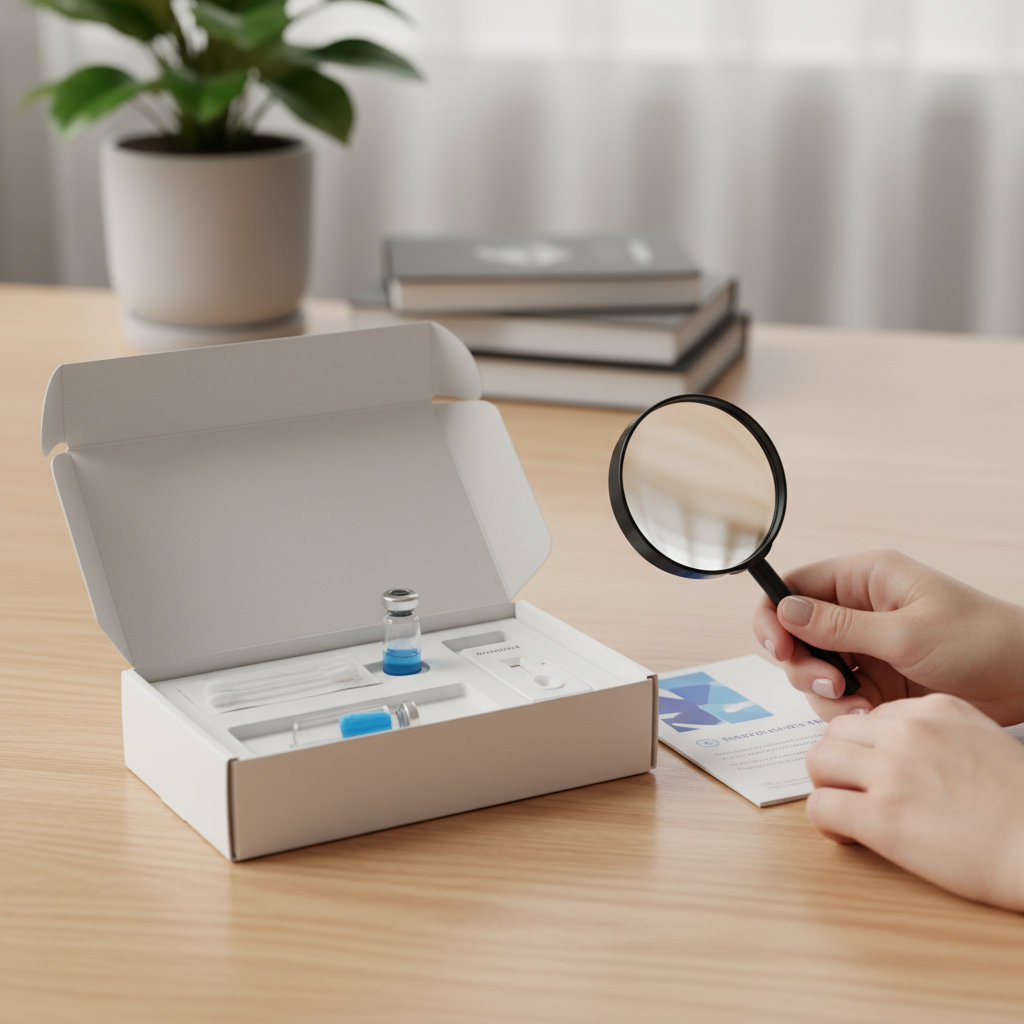
At-home health testing has become increasingly popular, offering a discreet way to monitor various aspects of your well-being. When it comes to sexually transmitted infections (STIs) like herpes, these kits promise privacy and convenience. But how exactly do they work? The vast majority of at-home herpes tests are not instant-read tests; instead, they are home collection kits. This is a critical distinction. You collect a sample yourself and then mail it to a certified laboratory for analysis. The results are then delivered to you securely online.
Types of Samples Collected
The primary method for at-home herpes testing involves a blood sample. These kits typically come with a small lancet, similar to what's used for blood sugar monitoring. You use the lancet to prick your fingertip and collect a few drops of blood on a special collection card or in a small vial. This method is straightforward and designed to be as painless as possible.
While some comprehensive STI panels might include a urine sample, urine is generally not used to test for the herpes simplex virus (HSV). Blood is the preferred sample because the test is designed to look for the body's response to the virus, not the virus itself, which isn't typically present in urine.
What Are These Tests Actually Detecting?
A home herpes blood test does not detect the active virus. Instead, it looks for antibodies that your immune system produces in response to a herpes infection. There are two main types of antibodies the test might look for: IgM and IgG.
- IgM (Immunoglobulin M) Antibodies: These are typically the first antibodies to appear after an infection. However, they are not specific to herpes and can appear during other viral infections. They also tend to fade over time. For these reasons, leading health organizations like the CDC do not recommend IgM testing for herpes, as it can be unreliable and lead to misleading results.
- IgG (Immunoglobulin G) Antibodies: These are the most important antibodies for herpes testing. They develop more slowly, usually within a few weeks to a few months after the initial infection, but they remain in your blood for life. A positive IgG test indicates that you have been exposed to the herpes virus at some point. The most accurate tests are "type-specific," meaning they can distinguish between antibodies for HSV-1 and HSV-2.
Evaluating the Accuracy and Reliability of Home Kits
The central question for anyone considering a home test is whether the results can be trusted. The answer is nuanced and depends heavily on the quality of the test provider and proper user procedure. Reputable at-home tests can be highly accurate, but there are important factors to consider.
The Role of Lab Certification (CLIA)
The single most important factor determining a kit's reliability is the laboratory that processes the sample. The most trustworthy at-home testing companies partner with CLIA-certified laboratories. CLIA stands for Clinical Laboratory Improvement Amendments, which are federal standards that ensure the accuracy, reliability, and timeliness of patient test results. When you use a kit that sends your sample to a CLIA-certified lab, you are essentially getting the same quality of analysis that you would from a sample taken at a doctor's office.
Potential for False Positives and False Negatives
No medical test is 100% perfect, and blood antibody tests for herpes are no exception. A false positive occurs when the test indicates you have herpes, but you actually don't. This can happen, though it's less common with high-quality IgG tests. A false negative is more common and occurs when the test says you don't have herpes, but you actually do.
The most frequent cause of a false negative is testing too soon after a potential exposure. This is known as the "window period." It can take anywhere from 3 weeks to 4 months for your body to produce enough IgG antibodies to be detected by a test. If you test during this window period, the result may come back negative even if you have contracted the virus. User error in collecting the sample, such as not providing enough blood, can also lead to an invalid or inaccurate result.
The Pros and Cons of Using a Home Herpes Test
Deciding whether to use a home test kit involves weighing the clear benefits against some significant potential drawbacks.
Key Advantages
- Privacy and Discretion: For many, the biggest appeal is the ability to test for a sensitive condition in the complete privacy of their own home, avoiding a potentially uncomfortable conversation or visit to a clinic.
- Convenience: Home kits eliminate the need to schedule an appointment, travel to a clinic, and wait for a consultation. You can collect the sample on your own time.
- Accessibility: These kits provide a valuable option for individuals living in rural areas, those with mobility issues, or anyone who has difficulty accessing traditional healthcare services.
Significant Drawbacks
- Lack of Immediate Counseling: Receiving a positive result without a healthcare professional present can be emotionally distressing. A doctor can provide immediate context, counseling, and a treatment plan, which is missing from the at-home experience.
- Risk of User Error: While collection is designed to be simple, there's always a chance of making a mistake, which could compromise the sample's integrity and the test's accuracy.
- No Physical Examination: A home test cannot replace a physical examination. A doctor can visually inspect any symptoms (like sores or blisters) and can perform a swab test during an active outbreak, which is the most definitive diagnostic method.
- Cost: Depending on your insurance, a test at a clinic may be more affordable than purchasing a kit out-of-pocket.
Deep Dive: Understanding HSV-1 vs. HSV-2 and Its Impact on Testing
When you read about herpes, you'll see references to HSV-1 and HSV-2. Understanding the difference between these two types of the herpes simplex virus is crucial for interpreting test results and understanding your health status.
What is HSV-1?
HSV-1 is the type of herpes traditionally associated with oral herpes, commonly known as cold sores or fever blisters around the mouth. However, it's becoming an increasingly common cause of genital herpes, primarily transmitted through oral-genital contact. The majority of the adult population has been exposed to HSV-1, often since childhood, though many never experience symptoms.
What is HSV-2?
HSV-2 is the type almost exclusively associated with genital herpes. It is spread through sexual contact. While it can technically be transmitted to the mouth, this is very rare. An HSV-2 infection almost always indicates a genital infection.
Why This Distinction Matters for Testing
A high-quality home test should be a type-specific IgG antibody test. This means it can tell you not only if you have herpes antibodies but also which type you have. This information is incredibly valuable. For example, a positive result for HSV-1 doesn't necessarily mean you have genital herpes; you may have only been exposed to oral herpes. Conversely, a positive result for HSV-2 strongly indicates a genital herpes infection. Knowing the type helps a healthcare provider give you more accurate information about transmission risks and future outbreaks.
Common Questions About Herpes Testing
Navigating the world of STI testing can bring up many questions. Here are answers to some of the most common queries people have after learning about home herpes kits.
What's the difference between a home test and a doctor's test?
As mentioned, the best home tests use the same certified labs as doctors' offices for blood antibody testing, so the quality of the analysis can be comparable. The main difference lies in the diagnostic options and the immediate support. A doctor can perform different types of tests. If you have active sores, a clinician can perform a swab test (either a viral culture or a PCR test). A PCR swab test is the most accurate method for confirming herpes during an outbreak because it detects the virus's actual genetic material.
Furthermore, a visit to the doctor provides an opportunity for a full consultation. They can discuss your symptoms, assess your risk factors, explain the results in detail, and immediately prescribe antiviral medication if necessary. This comprehensive level of care cannot be replicated by a home test alone.
When is the best time to test for herpes?
Timing is everything when it comes to the accuracy of a herpes blood test. Because the test relies on detecting IgG antibodies, you must wait until your body has had enough time to produce them. This is the "window period." For most people, it takes at least 3-4 weeks after exposure for antibodies to become detectable, but to be safest, experts often recommend waiting 12 to 16 weeks (about 3 to 4 months) after the last potential exposure to get the most accurate result and minimize the risk of a false negative.
What should I do if my home test result is positive?
Receiving a positive result can be overwhelming, but it's important not to panic. The first and most critical step is to schedule an appointment with a healthcare provider. A doctor or a clinician at a sexual health clinic can perform a confirmatory test if needed and provide essential support.
They will be able to discuss what the result means for your health, provide information on managing symptoms with antiviral medications, and offer crucial advice on how to talk to sexual partners and prevent transmission. A positive diagnosis is manageable, and a healthcare professional is your best resource for navigating the next steps.
The Final Verdict on Home Herpes Test Kits
So, do home herpes test kits really work? The answer is yes, with important caveats. Reputable home collection kits that use CLIA-certified labs can provide an accurate and reliable way to check for herpes antibodies, offering an invaluable service for those who prioritize privacy and convenience.
However, they should be viewed as a screening tool—a first step, not a final diagnosis. They cannot replace the comprehensive care, diagnostic options, and immediate counseling provided by a healthcare professional. If you have symptoms, are concerned about a recent exposure, or receive a positive result from a home test, the best course of action is always to consult with a doctor.